
Duisburg – ArcelorMittal plans to largely discontinue its steel production operations in the Ruhrort district of Duisburg after September 2027. Consequently, around 550 jobs are set to be cut across the steel plant, the continuous casting facility, and the billet rolling mill. The site currently employs approximately 800 people. However, the wire rod mill is slated to remain in operation, processing externally supplied steel billets. The move is prompted by the expiration of the pig iron supply contract with Thyssenkrupp Steel; ArcelorMittal declined to renew the agreement due to significantly higher costs. The company also cites weak demand, low capacity utilization, limited export opportunities, and high energy costs as contributing factors. The supervisory board has yet to approve the plans.
Steelworks loses pig iron supply from Thyssenkrupp
Thyssenkrupp Steel has been supplying the Duisburg plant with liquid pig iron for decades. However, ArcelorMittal terminated the delivery contract in December 2024 to September 2027. According to the company, a continuation would have caused significantly higher costs. The company therefore then examined alternative delivery routes and other production models.
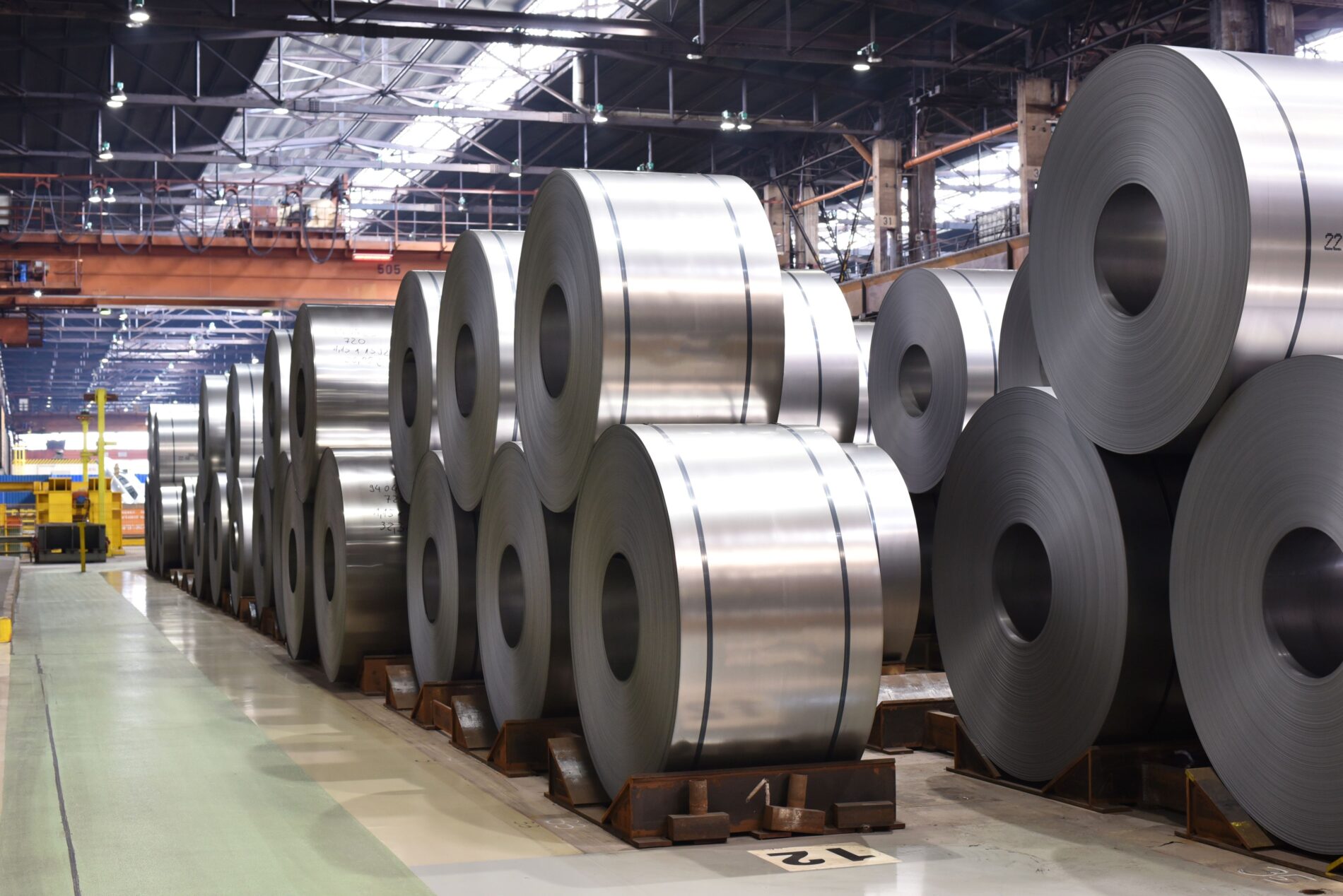
Image: Shutterstock
Low-carbon steel production in Duisburg was also evaluated. However, according to ArcelorMittal, this option also proved economically unviable. Without pig iron, the steelworks cannot maintain its existing production chain. Consequently, the Duisburg site is set to focus on manufacturing wire rod from supplied semi-finished products.
Wire rod mill to remain operational despite production shutdown
The remaining wire rod mill requires steel billets from other plants or external suppliers for this purpose. ArcelorMittal has identified its own plant in Hamburg, among others, as a potential source. Steel is produced there using a DRI-electric arc furnace process. This enables Duisburg to continue producing wire rod even though the upstream production stages are being eliminated.
For the workforce, however, this restructuring represents a significant blow. Around 550 of the approximately 800 jobs are linked to the production areas the company plans to close. Discussions regarding the impact on employees are therefore scheduled to begin as early as September 2026, with the company intending to negotiate social solutions with employee representatives.
German Steel Industry Continues to Struggle with Weak Demand
Moreover, this decision comes at a difficult time for the German steel industry. While crude steel production rose by nine percent to 18.6 million tonnes in the first half of 2026, demand remained exceptionally weak, according to the German Steel Federation. The construction, mechanical engineering, and automotive sectors, in particular, continue to order significantly less steel than in previous years.
Based on projections, the association expects crude steel output to reach around 37 million tonnes for 2026. This would mean Germany once again falls short of the 40-million-tonne mark required for economically viable capacity utilization. At the same time, high energy prices are driving up the cost of energy-intensive processes and intensifying competition with foreign producers. The shutdown of major parts of the Duisburg steel plant therefore illustrates how quickly weak demand and high production costs can impact industrial capacity.
Author: Blackout News
Sources: GMK Center (03.09.26) – Acelor Mittal (03.09.26)