
Riyadh – Saudi Aramco is apparently cutting contractual oil supplies to Europe in October. At least two European refinery customers have already received a zero allocation for the coming month. According to Bloomberg, however, the decision affects all European contract customers. The move was triggered by the major drone attack on the Saudi East-West Pipeline to the Red Sea—the very route intended to make Saudi Arabia less dependent on the Strait of Hormuz. Consequently, European refineries must source more expensive replacements on short notice. This is likely to further drive up already high procurement costs and exert additional upward pressure on prices for gasoline, diesel, and other fuels. Saudi Aramco has not yet publicly confirmed the complete suspension.
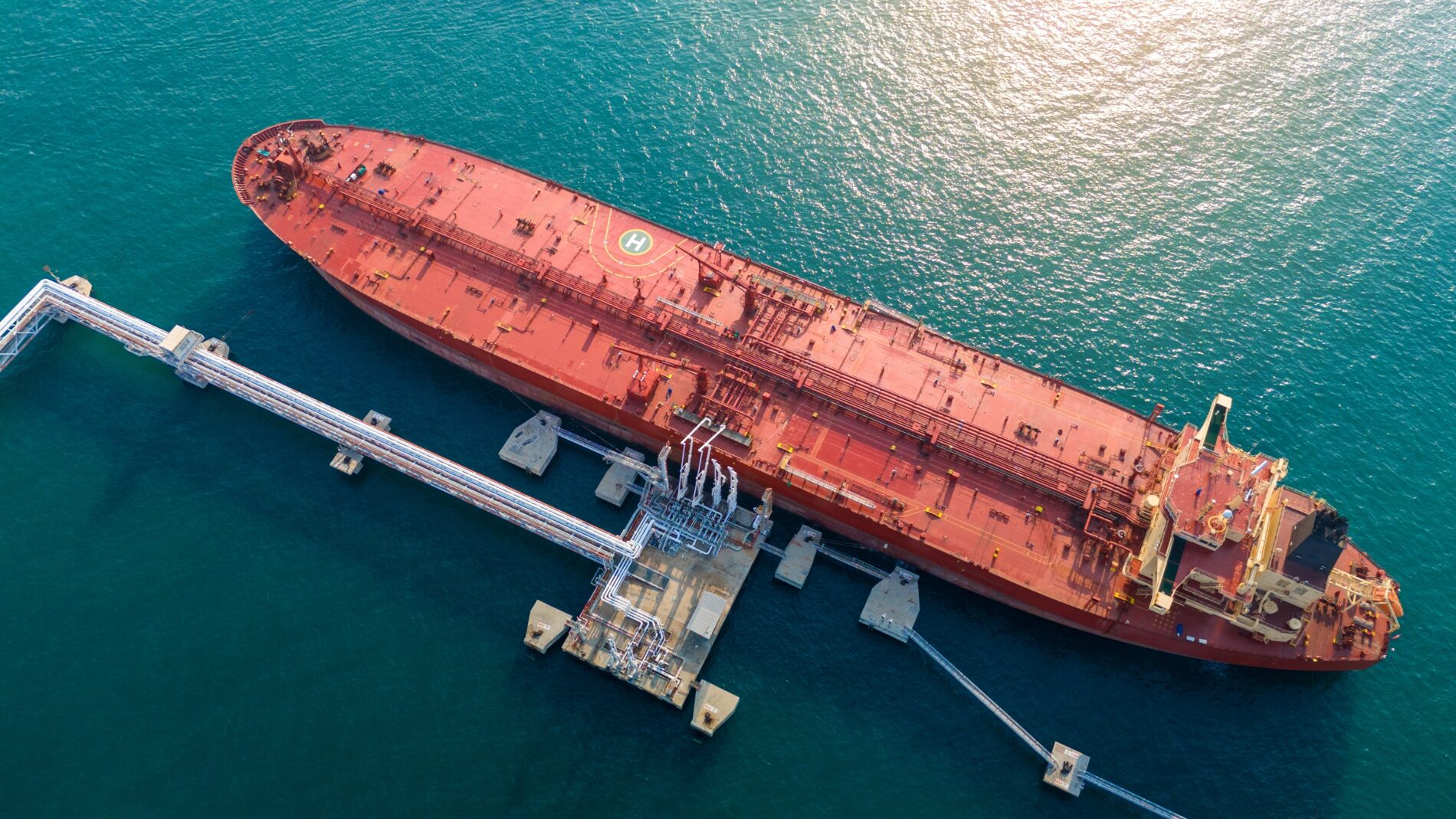
Image: Shutterstock
Oil shipments to Europe halted following attack on key pipeline
The East-West Pipeline, spanning approximately 1,200 kilometers, connects production regions in the Persian Gulf with Yanbu on the Red Sea. Until recently, the line carried between 2.6 million and 4 million barrels of crude oil daily, making it a vital alternative route to the increasingly insecure Persian Gulf. Its shutdown now disrupts the very supply network upon which European refineries had become increasingly reliant.
Saudi Arabia is currently attempting to route more crude oil back through the Strait of Hormuz. Aramco is also employing complex ship-to-ship transfers off the coast of Oman. However, these logistical measures come at a significantly higher cost; Reuters estimates that transport costs alone on certain diversion routes have now reached over $30 per barrel. Consequently, this additional logistics burden drives up the price of oil, even when sufficient crude supplies remain available.
European Refineries Must Replace Lost Contracted Volumes
This problem is particularly evident in the case of the Polish energy group Orlen. Until recently, around 40 percent of its crude oil came from Saudi Aramco. Following the supply disruptions, the company had to make short-notice purchases of additional cargoes from other producing regions. In total, Orlen secured 16 additional tanker loads to keep its refineries supplied.
This highlights the vulnerability of Europe’s supply chain. Long-term supply contracts are designed to make prices and volumes more predictable. However, if these volumes are suddenly lost, companies are forced to turn to the spot market, where they compete with buyers from other regions for the same available barrels. Consequently, the loss of Saudi oil shipments to Europe shifts the risk directly onto refineries and consumers.
Tanker Shortage Drives Up Cost of Replacement Oil
Compounding the issue is a global shortage of available large tankers. According to Bloomberg, this bottleneck is driving up costs, particularly for long-distance oil transport, making some shipments barely profitable. As a result, it is becoming more expensive for Europe to simply replace Saudi oil with supplies from distant sources.
This disruption hits a European fuel market that is already under strain. Reuters projects a deficit of around 510,000 barrels per day of jet fuel in Europe for the fourth quarter. Furthermore, inventories in the Amsterdam-Rotterdam-Antwerp (ARA) hub are at their lowest level in seven years. Additional disruptions affecting crude oil and refined products therefore come at an inopportune time for Europe.
Oil Price Falls – Structural Problem Remains
In the short term, however, the situation in the crude oil market has calmed somewhat. Saudi Arabia’s exports rose again in September to over four million barrels per day, up from just around 2.4 million barrels in August. Consequently, the price of Brent crude briefly dipped back toward $102 per barrel on September 21.
However, the lower market price does not resolve Europe’s problem. As things stand, contracted oil deliveries to Europe are set to be disrupted in October. At the same time, arranging replacement shipments is becoming more time-consuming, complex, and costly. As a result, Europe’s energy supply once again hinges on the continued availability of sufficient oil on the global market in the short term and the functionality of alternative transport routes.
Author: Blackout News
Sources:
https://www.reuters.com/world/middle-east/vessels-trickle-through-strait-hormuz-mideast-tension-persists-2026-09-21/
https://apnews.com/article/saudi-pipeline-oil-iran-war-efa431e2fa771e34880c8453c62ffb92