
The demand for electricity in the United States is growing faster than the industry can supply transformers, copper, and specialized steel. Consequently, the U.S. power grid faces a potential shortage of transformers starting in 2027. This is the finding of a study from Johns Hopkins University, published in mid-November 2026 in Cell Reports Sustainability. Electricity consumption is projected to rise by 21 percent by 2030, driven primarily by data centers, electric vehicles, and the electrification of various sectors. At the same time, supplies of copper, steel, nickel, aluminum, and manganese are becoming scarce. Under conditions of high demand, the grid could face a shortfall of nearly 15 percent of the necessary transformers and 30 percent of other grid infrastructure components within four years. This would lead to higher electricity bills, more frequent power outages, and a scramble to secure available equipment. This warning follows a week in which IT disruptions paralyzed flights, bank transfers, and email services across the United States.
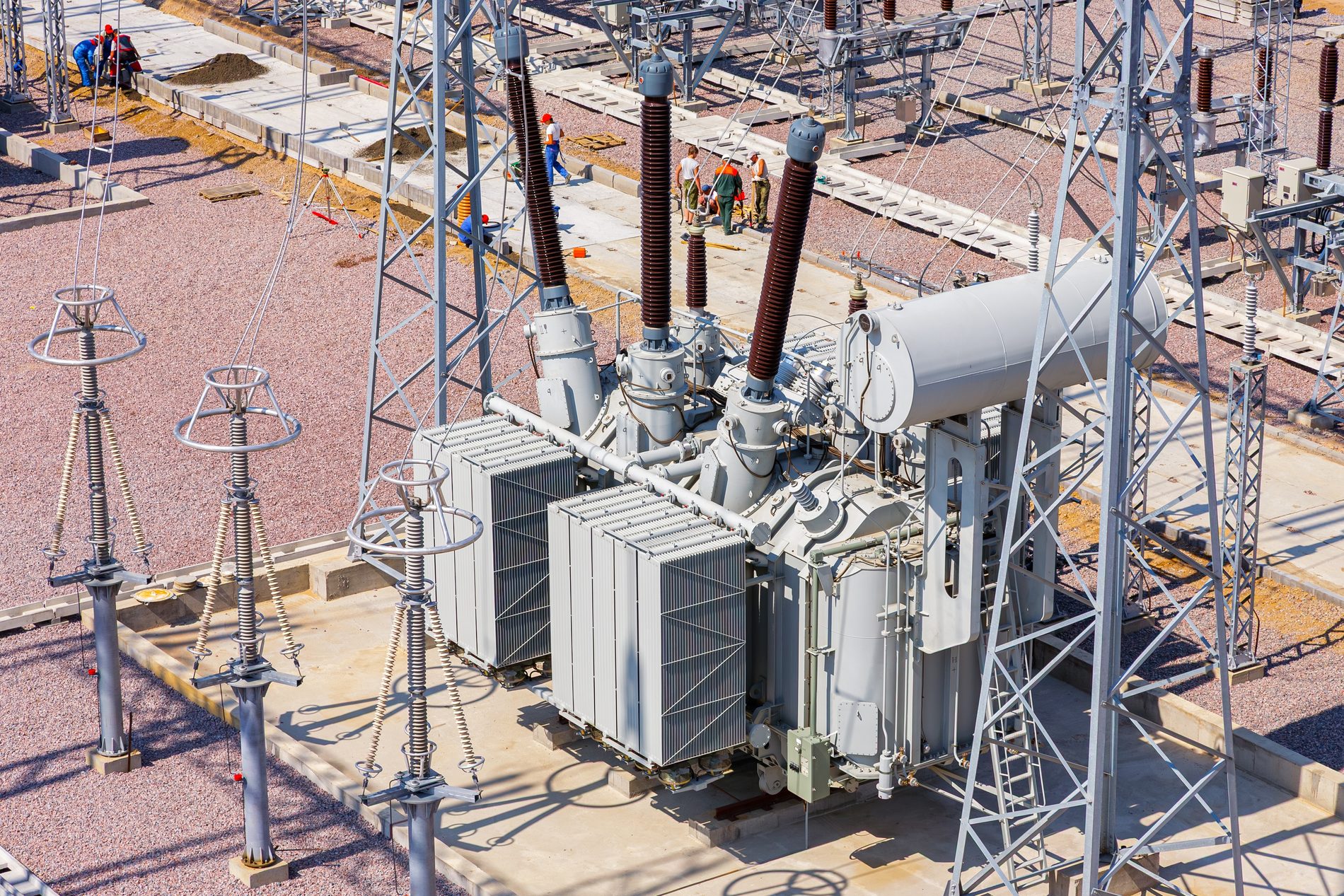
Image: Shutterstock
Transformer Shortage: Copper to Run Out First, Followed by Steel and Nickel
The bottleneck begins with raw materials. According to researchers, copper will be the first to run short—potentially as early as 2027. Steel and nickel will follow, and by 2030, both will be extremely difficult to source. This issue affects not only transformers but also power converters for wind energy and charging stations for electric vehicles.
The researchers modeled two scenarios. If trade with unstable supplier nations were to collapse, the supply gap for transformers would grow to approximately 25 percent—a figure based on the assumption that material shipments could drop by as much as 70 percent. Conversely, if demand remains moderate, the supply of transformers would be sufficient; however, a 16 percent shortfall would still persist for other grid infrastructure components. The study indicates that data centers are responsible for up to two-thirds of this gap.
Lead times increase from six months to over two years
Lead times for transformers have quadrupled over the past four years. Previously, a utility company might wait around six months; today, it takes more than two years. This is because manufacturers build each unit individually, while data centers are simultaneously demanding a massive number of new connections. Furthermore, the industry relies on a specialized type of steel for the transformer cores. In the United States, only one plant produces this material: the Butler Works facility, operated by Cleveland-Cliffs north of Pittsburgh.
The power grid itself is aging. More than 70 percent of U.S. transmission lines are over 20 years old. Consequently, grid operators must replace old transformers, forcing them to compete with new infrastructure projects for the same equipment. JPMorgan estimates that approximately one trillion dollars in investment will be required by 2035. In contrast, the Department of Energy announced in September that it would provide $1.9 billion for 31 projects aimed at increasing the capacity of existing power lines.
Those who pay more get the transformer first
Study author Yury Dvorkin anticipates a scramble for the scarce equipment. “Transformers will go first to whoever pays the highest premium,” says the Johns Hopkins professor. The transformer shortage is thus intensifying the competition for every single unit. While large corporations can afford to pay a premium, smaller utility companies are left at a disadvantage. For households, this likely means higher electricity prices and more frequent power outages.
However, the bottleneck can be partially mitigated. Sensors can measure the actual temperature and load within the power grid, allowing utility companies to make more efficient use of existing equipment. Additionally, recycling can recover materials from decommissioned transformers. Standardizing designs would also make it possible for one unit to be swapped for another.
Germany’s power grid is also waiting for transformers
Germany faces this same problem. In the summer of 2026, Siemens Energy reported lead times of 18 to 36 months for high-voltage power transformers, while medium-voltage units take between six and twelve months to arrive. The International Energy Agency has also noted wait times of up to four years for large units, with prices—adjusted for inflation—running about 75 percent higher than in 2019.
The municipal utility company in Oranienburg experienced this firsthand. A grid bottleneck halted new residential connections in 2024, prompting the utility to begin constructing its own substation in March 2026. As no German manufacturer could meet the technical requirements and delivery schedules, the two transformers—each with a capacity of up to 80 megawatts—are being sourced from Ljubljana. The transformer shortage is, therefore, not exclusively a U.S. issue. In January, an arson attack in Berlin caused power outages for more than 40,000 households, with some lasting up to four days. If a large transformer in the power grid is destroyed—whether by an attack or a storm—and no spare unit is available, the duration of any resulting power outage is determined by these long lead times.
Author: Blackout News
Sources: Fortune (20.11.26) – Johns Hopkins Hub (17.11.26) – Fortune/The Conversation (04.11.26) – TokenPost (20.11.26) – Techzeitgeist (ca. 01.11.26)