
The pharmaceutical company Pfizer is reviewing its investments in Germany in light of the federal government’s planned healthcare reform. In a letter to Chancellor Friedrich Merz, CEO Albert Bourla criticized new pricing rules for medicines. The move was prompted by legislation designed to stabilize health insurance contributions; the law aims to curb spending within the statutory health insurance system. However, it makes it harder for the pharmaceutical industry to forecast the costs of long-term projects. The situation affects company sites, research partners, and more than 3,000 employees in Germany. Bourla also cancelled his participation in the inaugural “Invest in Germany Summit” scheduled for October.
Why Pfizer Criticizes the Healthcare Reform
The federal government intends to provide financial relief to health insurance funds starting in 2027. To this end, it plans further interventions regarding pharmaceutical prices. New mechanisms are to supplement the existing manufacturer rebate. According to the industry, these rules alter the economic basis for research and production. New drugs require substantial upfront investment. At the same time, pharmaceutical companies often decide on locations many years in advance.
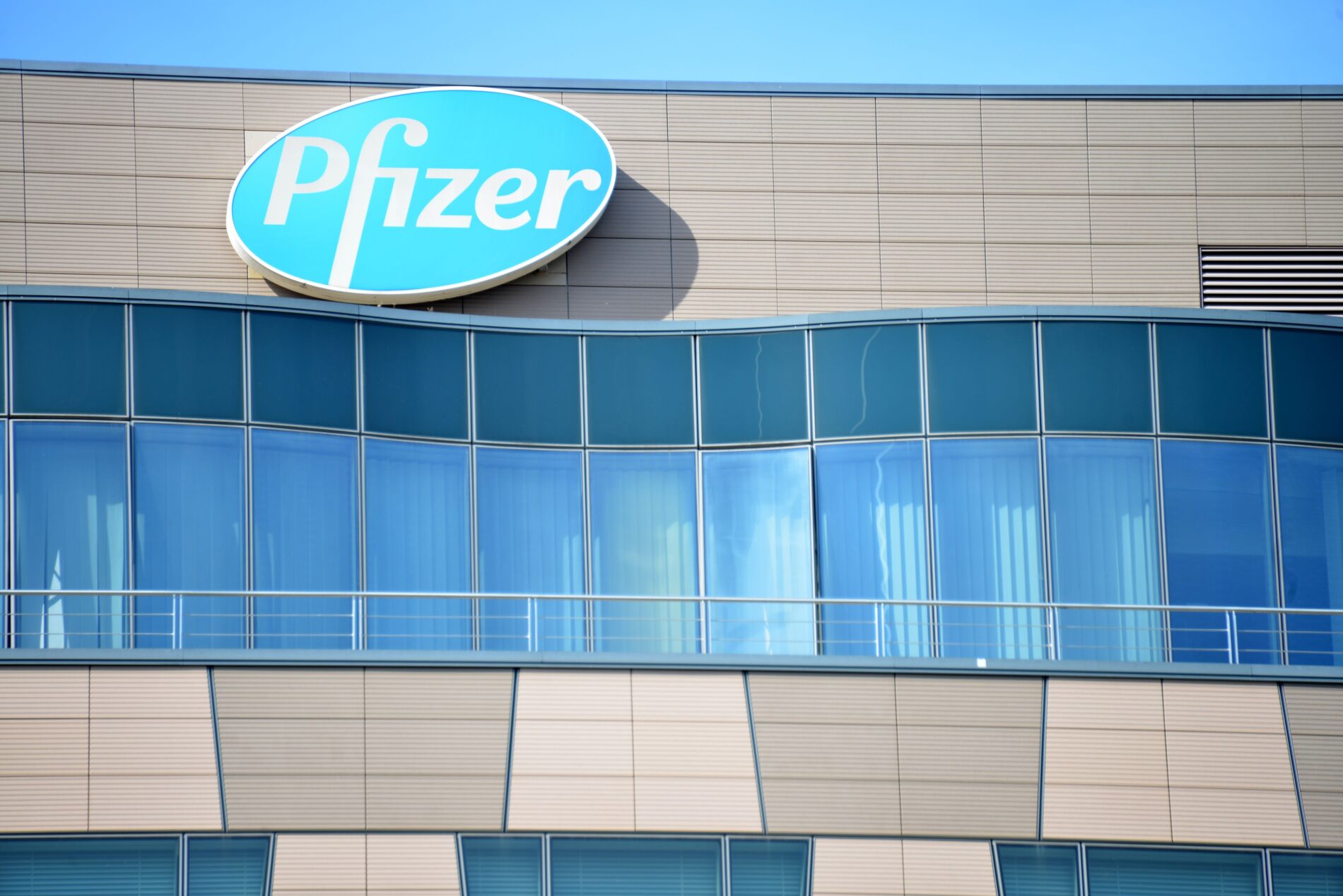
Image: Shutterstock
Germany’s pharmaceutical sector faces competition from the US and several Asian nations, where governments often offer stronger incentives for new laboratories, factories, and supply chains. Consequently, companies are scrutinizing where they commit capital for the long term. Pfizer operates a key production site in Freiburg, manufacturing medicines for international markets; such facilities also support highly skilled jobs.
Other pharmaceutical companies are reviewing projects in Germany
Eli Lilly has scaled back its planned investment in Alzey. While the facility in Rhineland-Palatinate is still set to go ahead, the scope of further expansion is smaller than originally intended. The project had been viewed as a significant signal for Germany as a pharmaceutical hub, but it has now lost some of its initial impact, fueling concerns about further relocations.
Boehringer Ingelheim has also halted major projects in Germany. The company cites an investment volume of 900 million euros for the 2027–2030 period and points to more favorable conditions outside Europe. While such decisions do not immediately alter the supply of medicines, they do impact future research capacity and industrial value creation.
Dispute Shapes the Future of Pharmaceutical Research, Production, and Supply
The German government justifies its actions by citing rising costs within the healthcare system. Higher contribution rates place a burden on both employees and employers, prompting Berlin to seek savings on pharmaceuticals. However, the industry points to the 2023 pharmaceutical strategy, under which the government aimed to strengthen research, development, and production in Germany. From the companies’ perspective, new rebate requirements send a conflicting signal.
Germany requires stable health insurance finances and a reliable supply of medicines. Yet, these two goals clash when cost-cutting measures crowd out investment. Consequently, the ongoing dispute will determine the future of research, production, and supply chains within the country. Pfizer has now publicly highlighted this conflict of objectives, making it imperative for the government to clarify how it intends to limit contribution rates while simultaneously safeguarding investment.
Author: Blackout-News
Sources: Reuters (10.06.26) – Deutschlandfunk (10.06.26) – Tagesschau (03.06.26) – Bundesministeriem für Gesundheit (29.04.26)