In Saalfelden, Austria, the insolvency of Next2Sun has extended to an additional entity. On November 16, 2026, the Salzburg Regional Court initiated bankruptcy proceedings against Next2Sun Austria. The provider of solar fences and agri-photovoltaic systems found itself without a viable financial foundation due to supply chain issues, declining demand, and high costs. Following the insolvency filings of two German sister companies, the Austrian firm also lost both incoming orders and financial support from within the group. The Austrian company is now set to be wound up. Three employees and 33 creditors are affected. Liabilities and subordinated claims—totaling approximately 4.75 million euros—are set against an estimated liquidation value of only 60,000 euros.
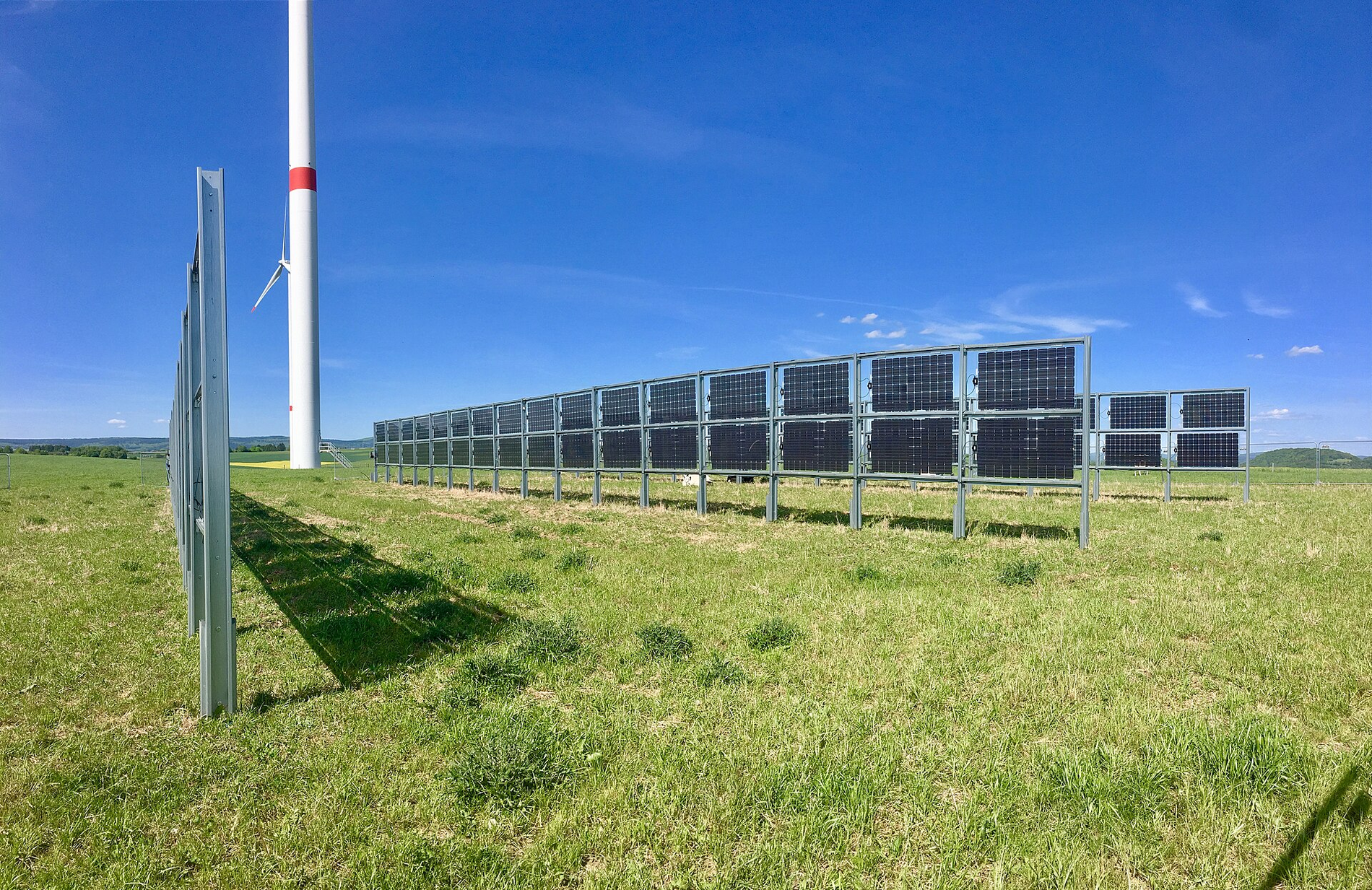
Image: Jana309, CC BY-SA 4.0, via Wikimedia Commons

Next2Sun Insolvency: Claims in the Millions Face Minimal Assets
The company’s financial distress is clearly reflected in its insolvency balance sheet. Non-subordinated liabilities amount to approximately 340,000 euros. An additional 4.41 million euros consist of claims from loans and crowdfunding—liabilities that the company classifies as subordinated. In contrast, the creditor protection association AKV estimates the value of the company’s recoverable assets at roughly 60,000 euros. These assets include inventory, vehicles, operating equipment, and outstanding receivables.
For investors, the ranking of claims is crucial. Subordinated claims rank behind senior (non-subordinated) liabilities, meaning the prospect of repayment may be particularly slim. However, it is not yet possible to derive a definitive insolvency dividend from these preliminary figures. Creditors may file their claims until January 20, 2027. The initial judicial review is scheduled for early February.
Solar Fences: Technical Benefits Do Not Prevent a Lack of Orders
Next2Sun developed a business model centered on vertical solar modules. These “solar fences” utilize both sides of the modules, allowing them to generate electricity even when the sun is low in the sky. Furthermore, agricultural land between the rows of modules can still be used for farming—a concept known as “agri-photovoltaics,” which combines power generation with agricultural production. However, solar fences require buyers, installation capacity, and a pricing structure that covers costs.
According to the company, it was precisely these factors that caused the business to fail in Austria. Supply issues hindered the delivery of the solar fences, while demand declined. At the same time, the cost base remained too high. Consequently, even restructuring efforts failed to produce consistently positive operating results. Additionally, funding from the German parent group dried up.
Solar Technology Financing Also Fails in Germany
The insolvency proceedings for Next2Sun began in late September, affecting two German entities: Next2Sun Technology and Next2Sun Mounting Systems. The company filed for “self-administration” (a form of debtor-in-possession insolvency) for these units. A previously initiated financing round failed to secure sufficient, reliable capital commitments, leaving the total funding short of what was required. Unlike the situation in Austria, the plan for the German entities initially involved continuing operations while searching for new investors.
According to a company statement issued at the time, Next2Sun AG and Next2Sun Projekt GmbH were not included in these insolvency filings. Similarly, the operators of existing solar installations were not affected by the insolvency. Nevertheless, the winding down of the Austrian subsidiary could impact supply chains and service contracts. The specific consequences for customers who have purchased solar fences remain unclear; however, the insolvency does not automatically mean that existing solar installations will cease to function.
Agri-Photovoltaics: Funding Remains Unresolved in Germany
A regulatory issue complicates the financing of new agri-photovoltaic projects. Certain components of the support scheme adopted in 2024 still lack approval from Brussels under state aid rules—a fact explicitly noted by the Federal Network Agency (Bundesnetzagentur) even in the context of the tender scheduled for December 2026. Without this clearance, specific higher price caps and special award rules cannot be applied, making financial projections difficult for project developers who are counting on future subsidies.
However, this outstanding funding does not account for all the challenges facing the solar sector. Another provider, Sonntag Energy, focuses its agri-photovoltaic strategy on battery storage and projects that qualify for existing remuneration rates. While such solutions offer greater flexibility in timing electricity sales, they also require additional investment. For solar fences, the core calculation remains the same: can actual revenues cover the costs of acquisition, operation, and financing? The insolvency of Next2Sun thus highlights a fundamental vulnerability of capital-intensive business models: even a technically compelling solution cannot survive without a sufficient volume of orders and adequate liquidity.
Author: Blackout News
Sources: AKV Europa (Stand: 21.11.26 – KSV1870 (19.11.26 – ORF Salzburg (16.11.26) – ZfK (23.10.26)