
On June 16, 2026, BMW significantly lowered its annual forecast in Munich. The weak automotive market in China and the conflict in the Middle East are weighing on business. Consequently, the group expects lower delivery volumes and a sharp decline in profits. The operating margin in the automotive segment is now projected to reach only one to three percent; the previous forecast had been four to six percent. In addition, the Bavarian manufacturer is intensifying its cost-cutting measures. Specific details regarding potential job cuts or affected plants have not yet been provided.
BMW Loses Its Previous Lead
For a long time, the Munich-based manufacturer appeared to be weathering the industry crisis better than its rivals. Volkswagen, Audi, Porsche, and Mercedes-Benz had already announced extensive cost-cutting programs, whereas the Bavarian group long seemed financially more stable. However, that advantage was based on stronger performance outside China—a support that is no longer sufficient.
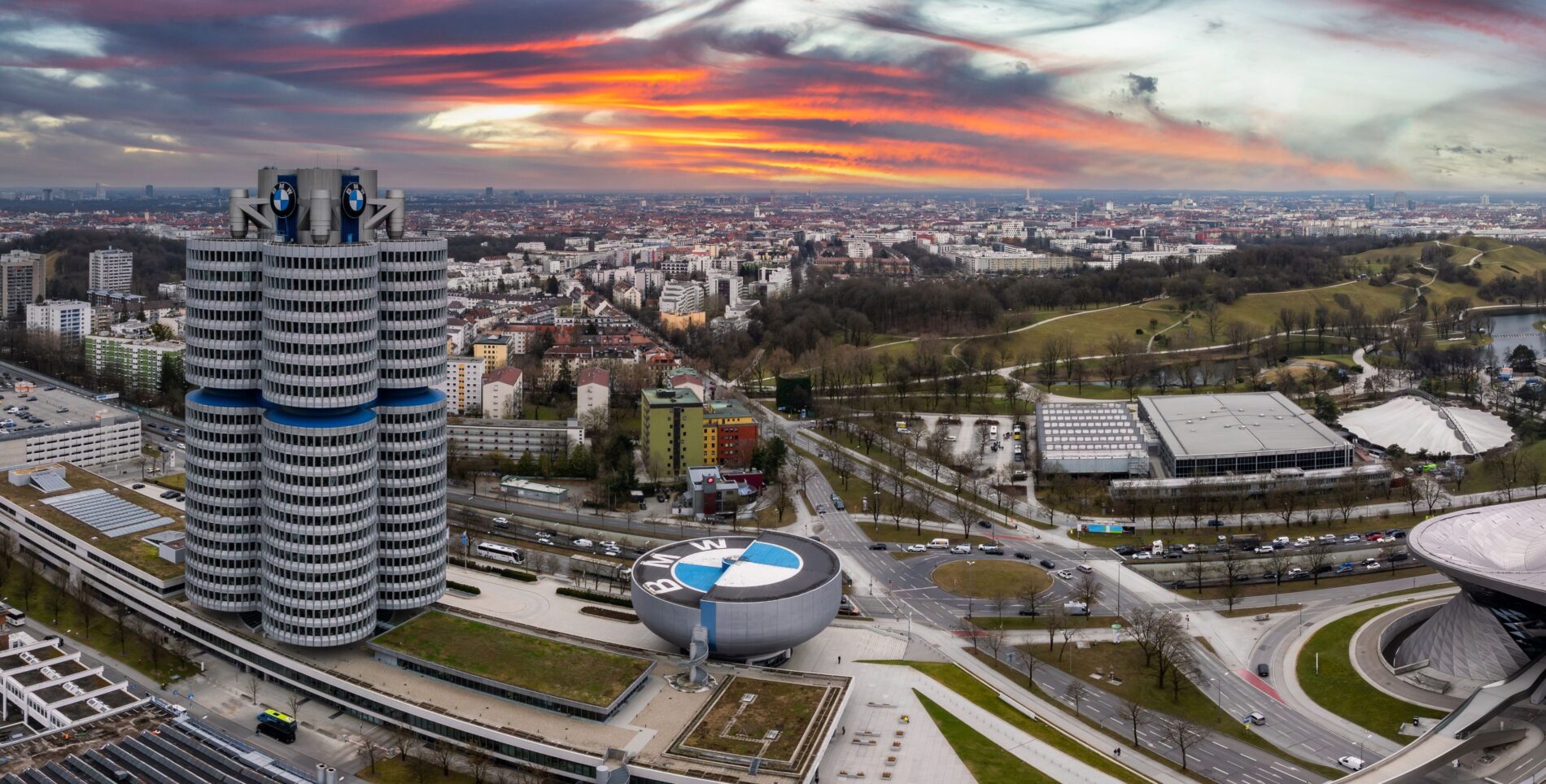
Image: Shutterstock
BMW sold around 2.46 million cars worldwide in 2025. However, its business in China was already showing signs of significant weakness. The decline accelerated further in the second quarter of 2026, with demand falling particularly sharply for non-electric vehicles. Additionally, Chinese manufacturers intensified competition across the entire Asia-Pacific region.
China Weighs on Sales and Profits
Europe and the USA continue to provide positive sales momentum, yet these gains are no longer sufficient to offset losses in Asia. Consequently, the group anticipates a slight drop in vehicle deliveries for 2026—a shift from management’s earlier forecast of sales remaining at the previous year’s level. Pre-tax profit is also expected to decline significantly.
The conflict in the Middle East is further exacerbating economic challenges. Higher energy prices are driving up production and logistics costs, while political uncertainty is dampening consumer willingness to buy in several markets. As a result, the group expects a substantial drop in profit and free cash flow for the second quarter; the impact thus extends well beyond China.
Cost-Cutting Program Could Affect German Sites
The manufacturer intends to accelerate ongoing cost-reduction efforts. Management is also planning further structural and efficiency measures. While these steps will initially weigh on earnings in the second half of 2026, they are designed to deliver permanent cost savings in the years that follow. The company did not disclose which specific areas would be affected.
At the end of 2025, BMW employed a global workforce of 154,540 people, making any potential structural changes highly significant for its German sites. However, there is no specific figure available regarding jobs at risk, nor has the group announced any plant closures. Nevertheless, departments across administration, development, and production are likely to scrutinize any new cost-cutting mandates closely.
“Neue Klasse” Set to Halt the Decline
Hopes are pinned primarily on the so-called “Neue Klasse” (New Class). According to the group, the electric iX3 is seeing strong demand; consequently, the new plant in Debrecen, Hungary, is already operating on a two-shift basis ahead of schedule. More than 40 new or updated models are slated to follow by 2027. However, this product offensive must boost both sales volumes and profitability.
Financially, the group remains stronger than several of its German competitors. Nevertheless, the downward revision of its forecast shatters the image of a manufacturer largely resilient to crises. China is becoming less reliable as a source of profit, while costs and geopolitical uncertainties are on the rise. The crisis facing the German automotive industry has thus finally caught up with its Bavarian “star pupil.”
Author: Blackout News
Sources: BMW Group (16.06.26) – Reuters (18.06.26) – Financial Times (18.06.26) – Süddeutsche Zeitung (17.06.26) – Handelsblatt (17.06.26)