
A critical analysis by our author Klaus Bastian
Germany continues to drive electric car sales in 2026 through significant political subsidies. Grants, tax incentives, CO₂ regulations, and public charging programs are shifting the market in favor of electric propulsion. However, buyers and manufacturers are not reaping a clear economic benefit on a broad scale. High-income households that own their homes and have private charging facilities are the ones benefiting most frequently. In contrast, tenants and low-income earners also share the burden of these state-funded costs. Furthermore, many multi-car households retain a combustion-engine vehicle for long-distance travel.
Successful products win over the market by offering clear advantages
A new product establishes itself for the long term when at least one market participant derives significant benefit. In the case of the smartphone, both sides gained substantial advantages. Buyers gained access to the internet, navigation, a camera, and numerous applications in a single device. At the same time, manufacturers unlocked new revenue streams through apps, accessories, and digital services. That is why consumers accepted the initially high prices.
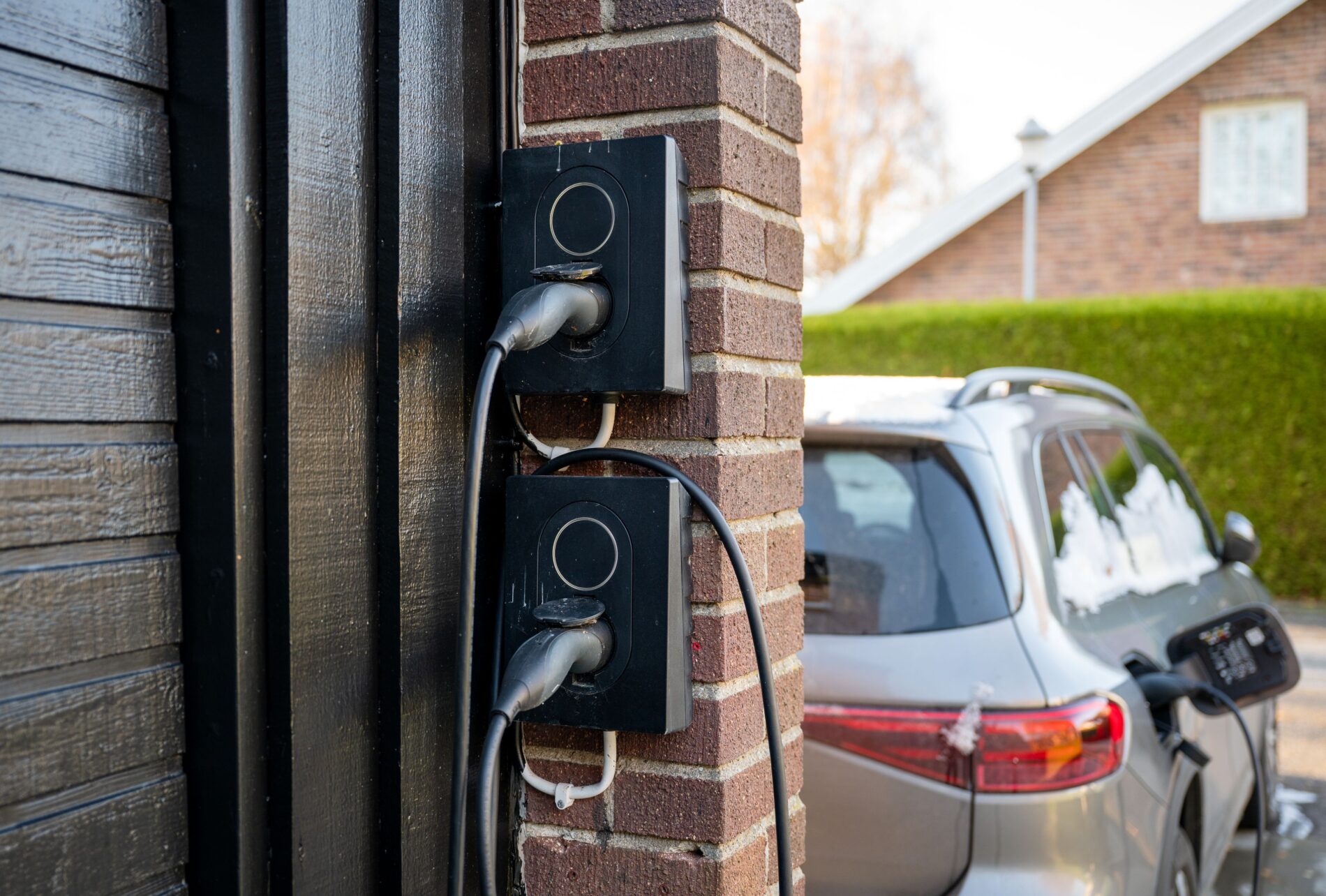
Image: Shutterstock
Flat-screen TVs, too, initially cost significantly more than CRT sets. However, buyers paid the premium for large screens, a slim profile, and lighter weight. Coffee pod systems also became widespread despite high ongoing costs; in this case, manufacturers primarily benefited from high margins and long-term customer loyalty. Thus, at least one party had a clear incentive in each instance.
Electric cars lack a broad economic advantage
The picture is far less favorable for electric cars. Without subsidies, neither buyers nor manufacturers truly benefit. While homeowners can charge cheaply using their own wallboxes, tenants and those who park on the street often rely on more expensive public charging points. Furthermore, high purchase prices, charging times, and uncertain resale values weigh on the decision-making process. Consequently, a compelling advantage arises only for specific driving, income, and housing profiles, rather than across the broad spectrum required for mass adoption.
Many manufacturers have also failed to reap sufficient benefits so far. For the most part, electric cars yield lower margins than comparable internal combustion engine vehicles. At the same time, corporations are investing huge sums in batteries, software, and new factories. Political pressure is another factor: to meet European fleet emission targets and avoid penalties, manufacturers are often forced to push electric cars onto the market with steep discounts and razor-thin margins. Dealers also lose out on revenue from maintenance, spare parts, and wear-and-tear repairs. The market is therefore not evolving out of a shared economic interest between buyers and manufacturers, but rather under regulatory pressure.
State subsidies primarily benefit homeowners
The distribution of electric cars reveals significant income disparities. In 2023, only 1.3 percent of households with a monthly income of less than 2,600 euros owned an electric car or a plug-in hybrid. In contrast, the figure was 13.4 percent for households earning 5,000 euros or more. The rate there was thus more than ten times higher. However, higher incomes facilitate both the purchase of a vehicle and access to home ownership.
Housing status also determines practical utility. According to an analysis by HUK, property owners drive 81 percent of privately registered electric cars. Among property owners, 4.8 percent own a fully electric vehicle, whereas the figure is only 1.6 percent for those who do not own their homes. Nevertheless, the general public funds tax breaks, subsidies, and charging infrastructure programs.
Subsidies are a sign of a lack of market readiness
State support does not demonstrate market readiness; rather, it indicates that the product’s inherent advantages are insufficient to provide a significant benefit to buyers or manufacturers. A compelling product requires neither purchase subsidies nor special tax rules in the long run. Nor can regulatory pressure to sell substitute for economic value. Subsidies merely shift costs onto taxpayers, who often cannot use the subsidized product themselves.
Moreover, an electric car does not always replace an existing internal combustion vehicle. The share of households owning two cars rose from 24.5 percent in 2012 to 27.0 percent in 2022, while the share owning three or more vehicles increased from 4.1 to 6.2 percent. Consequently, in some households, the electric car supplements the existing fleet, while the internal combustion vehicle is retained for long-distance travel. In such cases, subsidies neither reduce the number of vehicles nor create an independent market advantage. A self-sustaining market emerges only when buyers and/or manufacturers derive significant benefits even without state assistance.
Author: Blackout News – KOB
Sources: Statistisches Bundesamt (22.01.26) – HUK Coburg (Stand: 19.06.26) – Volkswagen Group (30.10.25) – Bundesfinanzministerium (Stand: 19.06.26) – Statistisches Bundesamt (05.09.23)