
By 2026, the global expansion of renewable energy is increasingly hitting technical system limits. While wind and solar power continue to grow, many regions lack the necessary high-capacity grids, storage facilities, and dispatchable power plants. At the same time, changes to subsidy frameworks are dampening investment in China and the USA. The consequences include more frequent curtailment, a rise in negative prices, longer grid connection delays, and declining revenues for operators. Consequently, costs and uncertainties are mounting for industry, electricity consumers, and project developers alike.
Investment shifting toward grids and storage
The International Energy Agency projects global energy investment to reach approximately $3.4 trillion in 2026. Of this amount, around $2.2 trillion is expected to flow into low-emission technologies, grids, and electrification. However, renewable energy plants will receive only about $665 billion, with solar installations accounting for roughly $365 billion. Consequently, capital investment is no longer growing as strongly as in previous years.
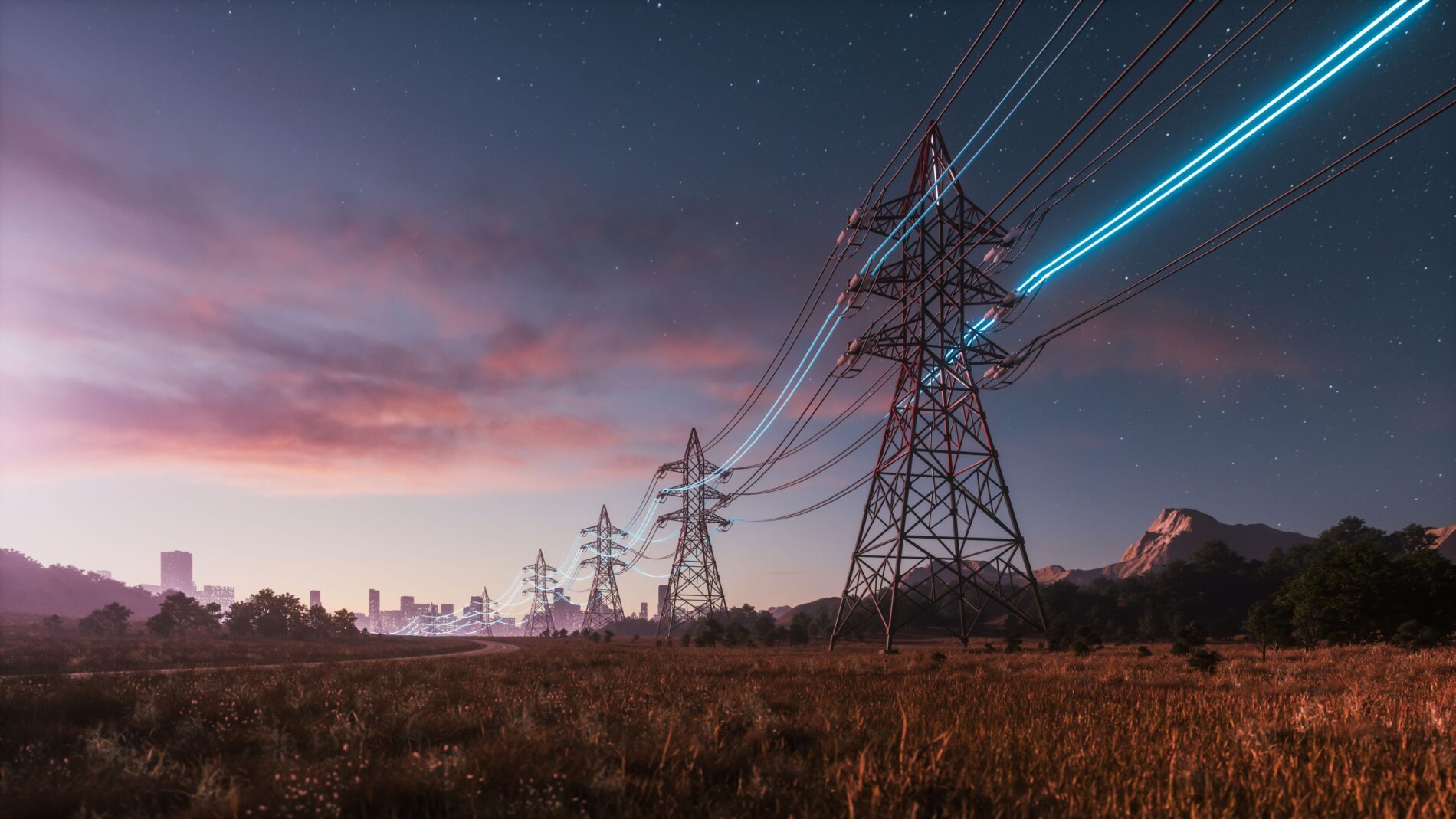
Image: Shutterstock
However, the expansion does not stop there. Investors are increasingly shifting their capital into power grids, battery storage, and flexible demand assets. The IEA projects grid-related spending of nearly $550 billion. Additionally, investment in battery storage could exceed $100 billion for the first time; this technology is designed to absorb surplus electricity and release it at a later time.
System constraints alter investment decisions
China exerts a particularly strong influence on the global market due to its massive installation of new wind and solar technology. However, new pricing regulations are reducing revenue certainty for many operators. Furthermore, falling equipment costs are driving down recorded investment figures; consequently, a lower capital outlay does not automatically equate to a proportional drop in new capacity. Nevertheless, some projects are becoming less economically attractive.
In the US, expiring tax incentives are worsening conditions for new installations, compounded by stricter supply chain requirements and lengthy permitting processes. As a result, developers are postponing projects or revising their plans. At the same time, electricity demand is rising due to data centers and artificial intelligence. Utilities are also placing more orders for gas turbines to ensure reliable capacity.
Negative prices weigh on wind and solar energy
Rapid solar expansion generates large volumes of electricity around midday on sunny days, yet demand does not rise at the same pace. Consequently, market prices occasionally drop to zero or even lower. Installations lacking storage or fixed power purchase agreements (PPAs) then generate lower revenues. Thus, the system’s limits are defined not by a lack of generation capacity, but by insufficient absorption capacity.
Germany is already familiar with these consequences. Wind turbines and solar plants frequently generate more electricity in certain regions than existing transmission lines can handle. Grid operators therefore curtail the feed-in from individual installations while simultaneously having to ramp up dispatchable power plants elsewhere. These interventions drive up grid costs, even as new installations and storage facilities face long waits for grid connections.
Gas and nuclear power are regaining importance
At the same time, investment in natural gas is rising. The IEA projects spending of around $330 billion in this sector by 2026—the highest figure in a decade. Significant funds are also flowing into coal extraction and new import infrastructure. Many nations aim to secure their energy supplies this way, given that weather-dependent generators cannot provide electricity at all times.
Nuclear power is also attracting more capital, as it generates electricity independently of wind and solar conditions. Globally, more than $80 billion is being invested annually in both new and existing facilities. Nevertheless, renewable energy remains the largest sector for new power generation investment. However, its continued expansion requires the rapid development of new grids, storage systems, and dispatchable backup capacity. Without these additions, curtailment, costs, and economic losses will rise.
Author: Blackout News
Sources: Welt (18.06.26) – PV Magazine (18.06.26) – Reuters (16.06.26) – Tagesschau (16.06.26) – Top Agrar (16.06.26) – Windkraft Journal (16.06.26) – Energie & Managemant (02.06.26)