
Prague/Wittenberg – Since September 2, 2026, AGF Nitrogen has been considering curtailing ammonia production at its European plants. The move is driven by sharply rising natural gas prices and persistently high costs for CO₂ certificates. Ammonia is the key chemical precursor for nitrogen-based fertilizers and numerous other nitrogen products; consequently, reduced ammonia production could drive up costs or limit output for downstream fertilizer manufacturing. However, the group has not yet specified which sites would be affected, leaving it unclear whether SKW Piesteritz in Saxony-Anhalt will be included.
Fertilizer production relies heavily on ammonia output
AGF Nitrogen was established in July 2026 as a new chemical sub-holding of the Agrofert Group. The group comprises companies such as LAT Nitrogen, Duslo, Lovochemie, and SKW Piesteritz. According to the company, this makes the group Europe’s second-largest fertilizer manufacturer. Furthermore, industry service Profercy reports that it has an annual ammonia production capacity of approximately 3.6 million tonnes.
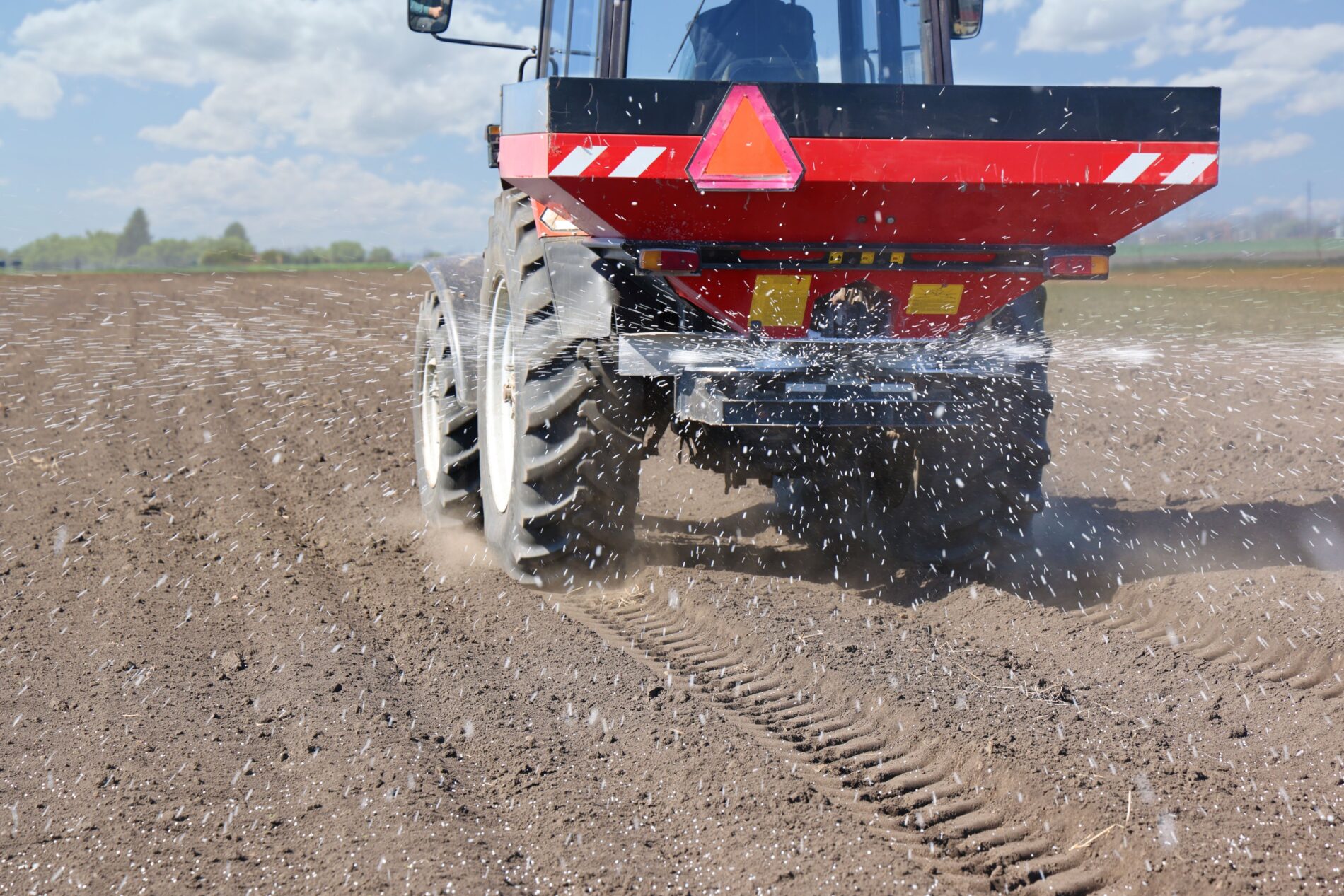
Image: Shutterstock
The cost structure of ammonia production is a crucial factor here. In conventional production, natural gas supplies both the hydrogen and a significant portion of the required energy. Nitrogen, on the other hand, is sourced from the air and reacts with hydrogen to form ammonia via the Haber-Bosch process. Consequently, higher gas prices translate directly into higher fertilizer costs.
Gas and CO₂ costs drive up production prices in Europe
Petr Cingr, head of AGF Nitrogen, also points to European emissions costs. According to the company, these costs are significantly higher than the burdens faced by many non-European competitors. As a result, domestic ammonia production is losing competitiveness compared to locations with lower energy and climate-related costs.
At the same time, AGF Nitrogen reports weaker demand from farmers for the upcoming season. High fertilizer prices can prompt agricultural businesses to reduce application rates. However, using less fertilizer can impair crop yields and, in the long run, reduce the agricultural supply.
SKW Piesteritz could also be affected
This development is particularly significant for Germany because SKW Piesteritz is part of the AGF Group. The company is Germany’s largest producer of ammonia and urea, employing around 980 people. However, AGF Nitrogen has not yet announced any specific plans to curtail production at the site.
Past experience, however, demonstrates just how sensitive production is to high gas prices. As early as 2021, SKW Piesteritz temporarily reduced ammonia production due to uneconomical natural gas prices. The company also temporarily shut down facilities later on when market conditions deteriorated once again.
Europe’s reliance on imports could rise further
The European fertilizer industry remains heavily dependent on energy prices and imports. The EU already imports significant quantities of finished nitrogen fertilizers, as well as ammonia and urea, from non-EU countries. Further production cutbacks could therefore exacerbate this dependency.
This shifts a larger share of supply to the global market, where prices are determined not only by gas costs but also by trade restrictions, transport costs, and geopolitical developments. For European agriculture, this increases the risk that a key production input will remain permanently expensive and increasingly dependent on imports.
Author: Blackout News
Sources: Agrarhuete (03.09.26) – AGF Nitrogen (02.09.26) – Profercy (02.09.26)