
Berlin – A major failure in government procurement has come to light regarding drone defense systems for German airports. According to reports by Die Welt, the Federal Police ordered systems costing millions from an Israeli manufacturer. It was only subsequently discovered that a Europe-wide tender process was required. The importation then apparently stalled due to German regulations. It is now reportedly unclear even how the ready-to-ship units are to be transported within Germany. Meanwhile, eleven of the thirteen commercial airports requiring special protection remain without their own state-provided defense systems. At the same time, the Federal Aviation Office recorded a total of 226 drone-related incidents in 2025 alone.
Drone defense becomes a case study in state planning failure
The situation is highly sensitive because there is no lack of funding, technology, or suppliers. According to information obtained by Die Welt, the ordered systems have been ready at the manufacturer’s facility since the spring. Yet, they have not reached their intended deployment locations. The Interior Ministry would neither confirm nor deny these details.
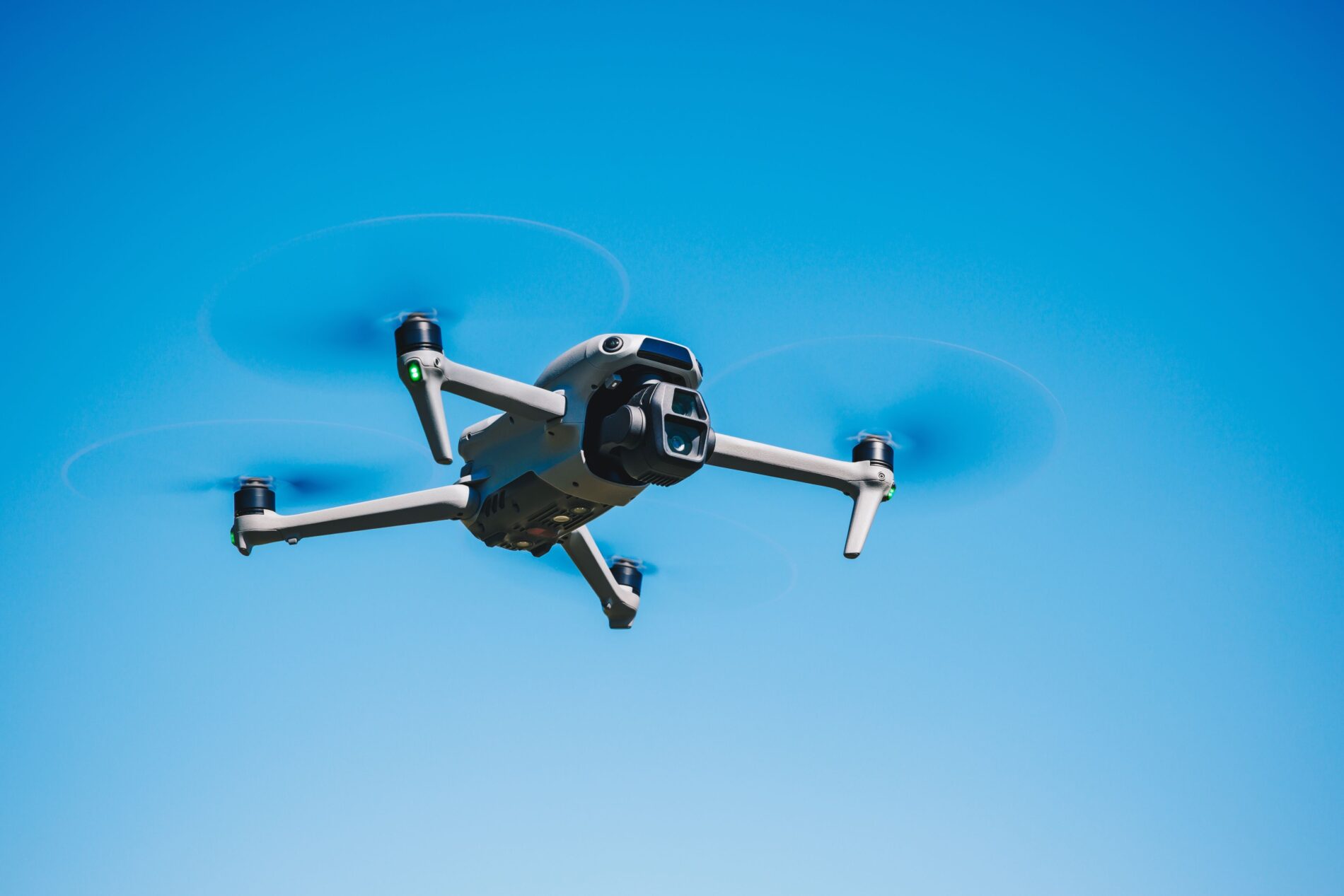
Image: Shutterstock
The apparently incorrect sequence of the procurement process is a particularly serious issue. For an investment running into the millions, the review regarding public procurement law should have taken place before the order was placed. Instead, according to the report, the federal government only realized afterward that a Europe-wide tender was mandatory. In doing so, the administration itself caused the very delay it had sought to avoid given the security situation.
First the tender was overlooked, then import and transport arrangements remained unresolved
But the bureaucratic chaos does not end there. After the tendering issue became a problem, the transfer was initially thwarted by German import regulations. Now, the logistics of transport within Germany also appear to be unresolved. According to WELT, the Bundeswehr is apparently not permitted to handle the transport, while private freight companies reportedly have security concerns.
If this account is accurate, the situation can hardly be explained away as a routine procurement delay. The state orders security-critical technology but fails to get it into the country—and subsequently to the deployment site—due to its own procedural hurdles. At the same time, the federal government has been warning for months about hybrid attacks and increasing drone activity. It is precisely this contradiction that makes the matter so serious.
Eleven out of 13 airports lack state-provided defense systems
The consequences of this procurement policy are evident at the airports. According to information from WELT, only Frankfurt and Munich have installed defense systems. Moreover, both locations largely established their systems on their own initiative. In Leipzig, DHL operates its own system for its cargo hub. Consequently, the state still fails to protect the majority of the 13 priority commercial airports with permanently installed defense technology.
Yet there has been no shortage of warning signs. In 2025, the Federal Aviation Office recorded 226 drone-related incidents. The German Aerospace Center (DLR) estimated direct damages at a minimum of 60 million euros. Including further consequential effects, costs could even reach 160 million euros. Nevertheless, the federal government is failing to make already procured counter-drone systems operational in time.
Technology Exists – Administration Prevents Deployment
This problem recently became particularly evident in Leipzig and Hanover. In Leipzig, a bus driver discovered an explosive-laden drone, while in Hanover, a DB Schenker employee found a suspicious aerial device. Government systems had failed to reliably detect either drone beforehand. This highlights a lack not only of stationary installations but, in some cases, of effective detection capabilities.
The core issue is therefore no longer merely technical. Germany has the manufacturers, the funds, and the systems available in principle. Yet the administration apparently fails to procure, implement, and transport this technology in a legally sound manner. This sends an alarming signal regarding drone defense at airports. A state that obstructs itself during the procurement of security-critical equipment effectively turns its own bureaucracy into part of the security problem.
Author: Blackout News
Sources: Welt (03.09.26)