
Europe enters September facing significant pressures in energy and financial markets. On September 1, gas prices briefly hit their highest level in three and a half years, while inflation in the eurozone rose to 3.3 percent. The primary drivers are disrupted LNG supplies from Qatar and the repercussions of the conflict involving Iran. At the same time, EU gas storage facilities were only 65.44 percent full as of August 31. Furthermore, gas consumption could rise if dispatchable gas-fired power plants are required to generate more electricity during periods of low wind and solar output; in such cases, they cover a larger share of the residual load while also helping to stabilize the power grid. Consequently, high prices, low inventory levels, and additional demand from the power sector are converging ahead of the heating season.
Gas prices hit as storage levels remain unusually low
At the Dutch TTF hub, the European benchmark price temporarily climbed to its highest level in around three and a half years. Gas prices reacted primarily to the tight supply situation in the Middle East. In addition, QatarEnergy extended supply disruptions for the Italian utility Edison until early November. In total, this results in the loss of 29 LNG cargoes containing approximately 3.8 billion cubic meters of gas; consequently, Europe must replace some of these volumes on the global market.
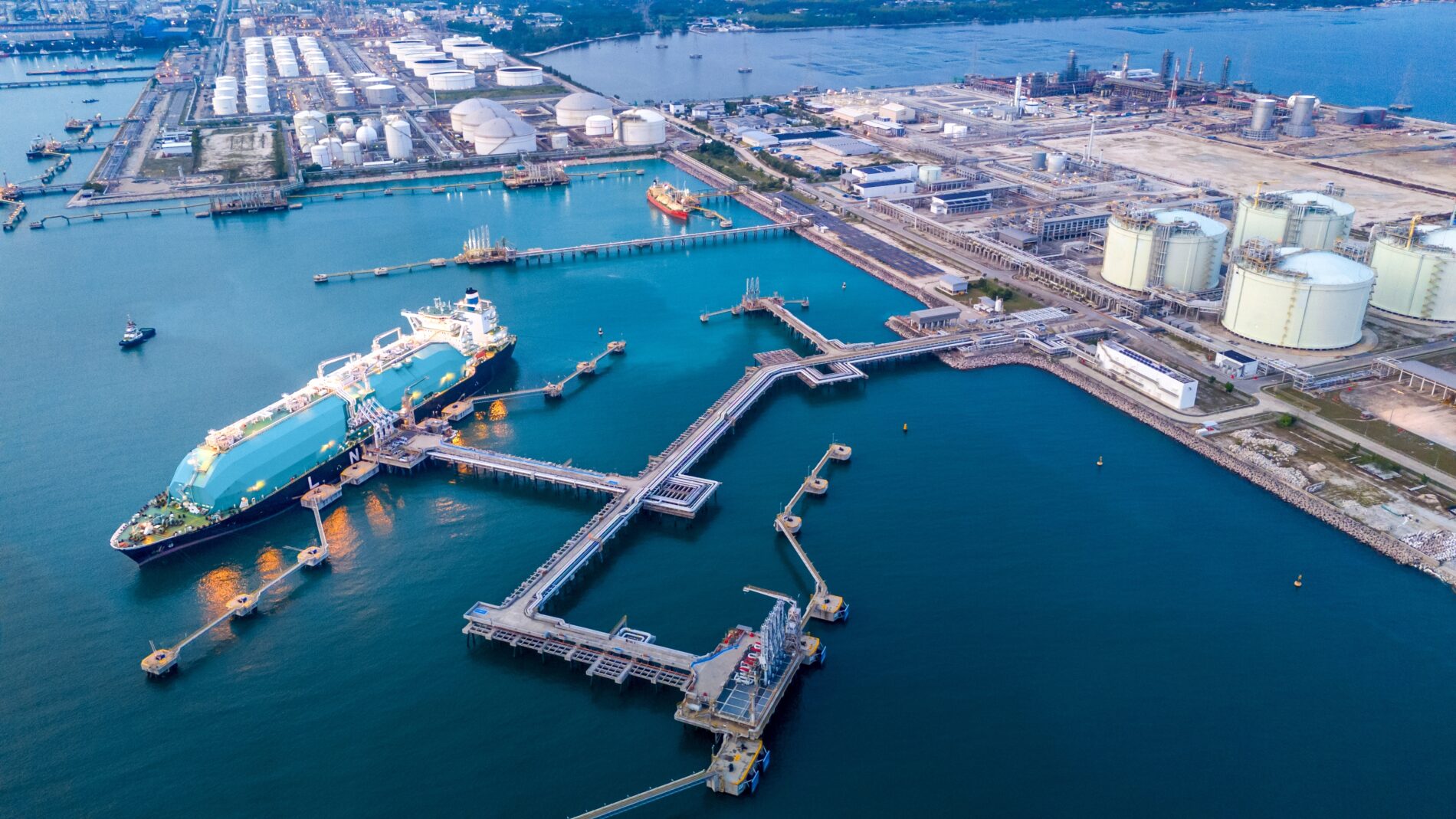
Image: Shutterstock
According to data from Gas Infrastructure Europe, EU gas storage facilities were 65.44 percent full on August 31. Germany, by contrast, reached only 53.32 percent. The price structure on the futures market also presents a particular problem: in some cases, short-term deliveries cost more than contracts for later in the winter. Consequently, the financial incentive for traders to purchase gas now and store it until winter is diminishing.
Gas-fired power plants can further increase gas consumption in Europe
Another factor lies in the electricity system. When generation from wind and solar installations is low, dispatchable power plants must cover a larger share of the remaining electricity demand. This includes gas-fired power plants, which can provide capacity on short notice. However, this drives up gas consumption in the power sector, particularly during periods of low renewable energy generation.
Furthermore, the need for interventions to stabilize the electricity grid remains high. The Federal Network Agency anticipates a continued need for significant redispatch measures and additional reserve power plants for the winter of 2026/27. The required grid reserve alone amounts to several gigawatts of capacity. While not all of these facilities run on gas, flexible gas-fired power plants play a crucial role in the regular electricity market by balancing out fluctuations in generation. High gas prices can therefore feed through to wholesale electricity prices via power generation.
Energy Drives Eurozone Inflation to 3.3 Percent
Higher gas and oil prices are now clearly feeding through to consumer prices. Eurostat puts Eurozone inflation for August at 3.3 percent, up from 2.9 percent in July. Energy costs, in particular, saw a sharp rise; in August, energy prices were 14.3 percent higher than the previous year’s level.
This is also shifting expectations regarding monetary policy. Investors increasingly anticipate another interest rate hike by the European Central Bank. At the same time, yields on German and French government bonds have climbed to multi-year highs. Consequently, higher financing costs are weighing on governments, companies, and real estate markets. The energy shock is thus impacting not only gas and electricity bills but also inflation, interest rates, and capital markets.
Author: Blackout News
Sources: Reuters (01.09.26) – Eurostat (01.09.26) – The Wall Street Journal (01.09.26)