
In October 2026, a family of six from the Pinneberg district unexpectedly lost their electricity contract. Their provider, Grüüün, terminated the agreement with only six days’ notice because the family’s annual consumption had risen to approximately 23,000 kilowatt-hours—exceeding the contractually permitted limit of 20,000 kilowatt-hours. The family had recently installed a heat pump and purchased an electric vehicle, which caused them to surpass the tariff threshold by 15 percent, forcing them to find a new energy supplier on short notice. This case illustrates how the electrification of private households can create complications with existing electricity supply contracts.
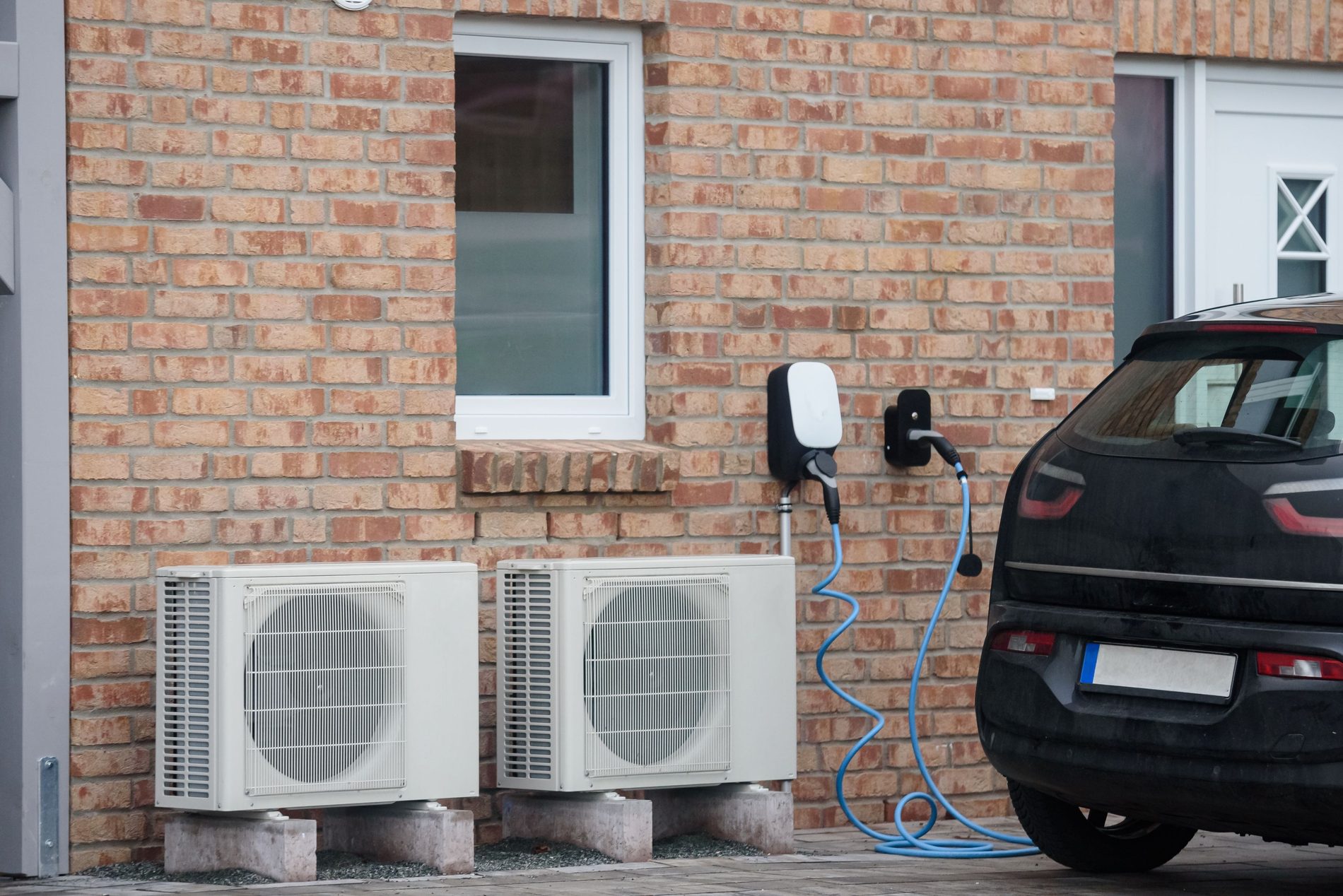
Image: Shutterstock
Electricity Contract Terminated – Consumption Thresholds Vary Significantly
With their previous provider, a consumption threshold of 20,000 kilowatt-hours was the deciding factor. Other companies, however, set much higher limits. At Vattenfall, for instance, consumers using less than 100,000 kilowatt-hours per supply point are generally classified as residential customers. Similarly, Hamburger Energiewerke offers standard tariffs for consumption levels up to 99,999 kilowatt-hours.
The short notice period for termination is particularly problematic. Households often invest substantial sums in heat pumps and electric vehicles, relying on long-term, predictable electricity tariffs. Following a sudden termination, however, they are forced to accept current market prices—which can lead to significant additional costs, especially for those with high consumption levels.
Similar cases – Electricity providers have previously terminated contracts for thousands of customers
It is not a new phenomenon for electricity suppliers to unilaterally terminate existing contracts. During the energy price crisis, several companies abruptly ceased supply. A particularly well-known case involved the provider Stromio, which, in December 2021, terminated numerous customer contracts that included price guarantees. As a result, many affected customers were shifted into the more expensive “basic supply” (standard utility) tariff.
In June 2026, the Higher Regional Court of Hamm ruled against Stromio. The summary terminations were deemed invalid because the company was not permitted to simply pass the price risks it had contractually assumed onto the consumers. The court also addressed claims for damages. However, this case differs from the situation in Pinneberg—where contracts were terminated due to high consumption—because Stromio had justified its terminations by citing economic difficulties.
Federal Network Agency demands a legal basis for terminations
The Federal Network Agency (Bundesnetzagentur) clarifies that electricity providers cannot terminate existing contracts at will. For an extraordinary (summary) termination, they must have a valid reason and satisfy both legal and contractual requirements. While an agreed-upon consumption limit may be relevant, it does not automatically justify the abrupt termination of a contract.
Freedom of contract is even broader when it comes to new agreements. According to the Federal Network Agency, competitive suppliers are permitted to reject potential customers based on the presence of a wallbox (EV charger) or an electricity storage system. Consequently, households may find their choice of tariff restricted, despite having made significant investments in electrical technology. In contrast, the local “basic supplier” (the utility provider with the statutory obligation to supply) is subject to a legal mandate to provide service, with only very limited exceptions.
High electricity consumption can result in thousands of euros in additional costs
The termination of a contract does not typically lead to a power outage, as the local “basic supplier” automatically takes over the provision of electricity. However, such a tariff can turn out to be significantly more expensive. With an annual consumption of 23,000 kilowatt-hours, an additional cost of just five cents per kilowatt-hour results in an extra expense of 1,150 euros. If the price per kilowatt-hour rises by ten cents, the annual financial burden increases by 2,300 euros.
In the event of an unjustified termination, consumers may, under certain circumstances, be entitled to claim damages. This is supported by consumer advice centers and legal precedents regarding the premature termination of supply contracts. To do so, however, affected individuals must prove that the termination was invalid and that they suffered financial loss. For this reason, they should keep copies of termination notices, contractual terms and conditions, and invoices.
Heat pump owners should review their contract terms
Electrifying one’s heating system or vehicle permanently alters electricity consumption patterns. Consequently, before making such a transition, households should check whether their existing utility contracts include consumption caps or provisions for special termination rights. Furthermore, specialized tariffs for heat pumps and reduced grid usage fees can offer economic advantages; however, the specific requirements for these vary depending on the metering setup and the nature of the grid connection.
A family from Pinneberg managed to find a new provider offering an affordable heat pump tariff just in time, thereby avoiding the potential extra costs associated with default utility supply. This case, however, highlights a fundamental conflict: while policymakers and legislators are actively promoting electrification, private electricity suppliers may contractually exclude certain consumption profiles. In the event of a sudden contract termination, the resulting financial burden falls initially on the affected households.
Author: Blackout News
Sources: Chip (28.10.26) – Hamburger Abendblatt (24.10.26) – Barnim (21.10.26)