
Offshore wind power in Germany is facing a severe economic crisis. Due to rising construction costs, delays in grid connections, and uncertain revenue prospects, investors are withdrawing from multi-billion-euro projects. At the same time, the industry is seeing a lack of new orders, while North Sea sites already allocated for development risk remaining unused. Consequently, eight federal states—including Bavaria and Baden-Württemberg—are demanding changes to the planned legislative reform. An industry study warns that, without intervention, there could be a loss of approximately 21,000 full-time jobs and a decline in revenue exceeding 550 billion euros by 2045.
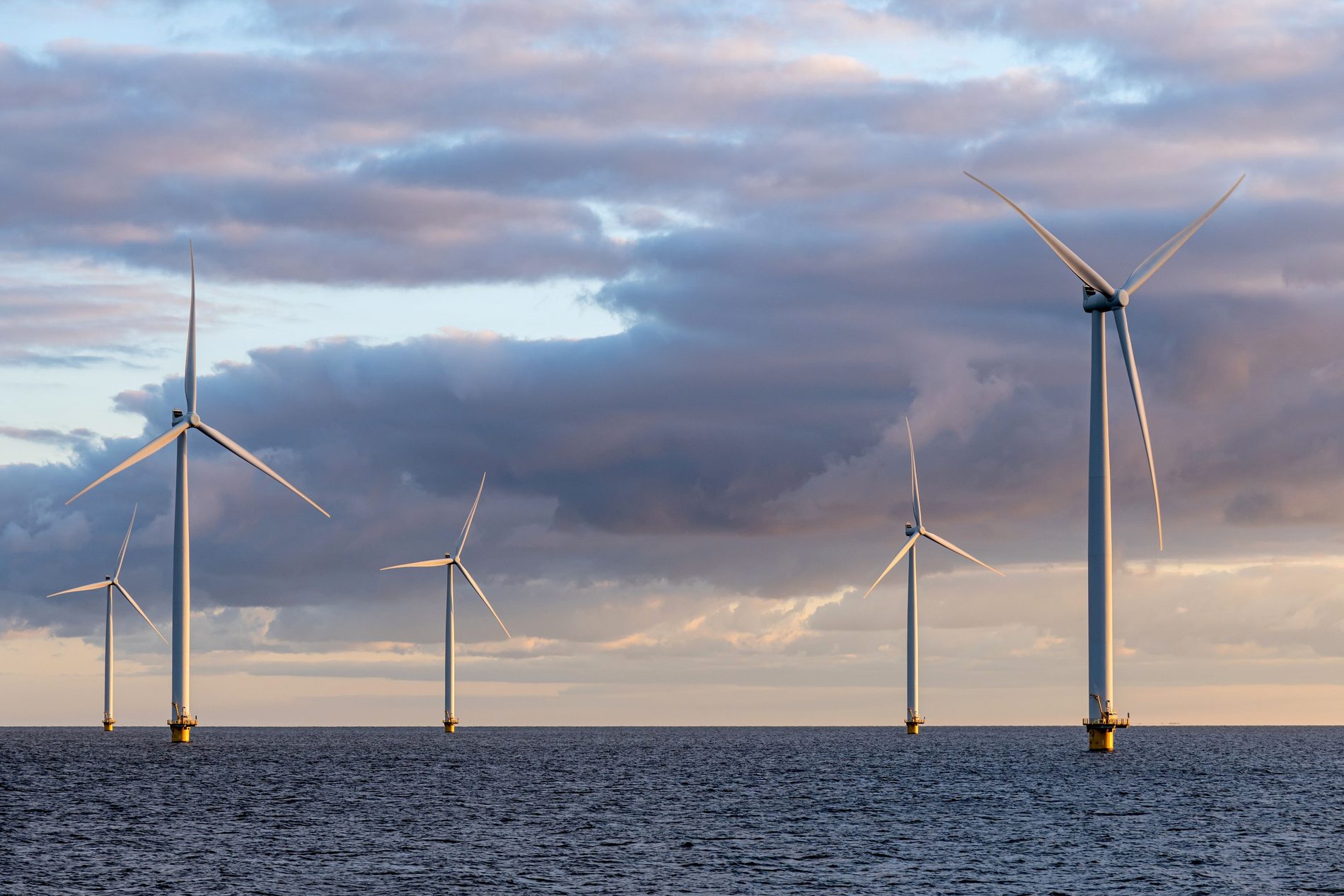
Image: Shutterstock
Multi-billion-euro projects lose their economic viability
Just a few years ago, energy companies were outbidding one another in auctions for sites in the German North Sea, paying billions for the right to construct wind farms there. Since then, however, the economic landscape has shifted fundamentally. High capital expenditure, rising financing costs, and delays in grid connections are weighing on profitability.
This trend is particularly evident in the cases of BP and TotalEnergies; both energy giants have signaled that they no longer intend to pursue certain offshore projects as originally planned. Yet, under current regulations, companies cannot simply return sites they have already secured through auctions. As a result, valuable locations and reserved grid capacities risk remaining tied up—and effectively blocked—for years to come.
Offshore Wind Power: Tens of Thousands of Industrial Jobs at Risk
On October 15, the German Offshore Wind Energy Association (Bundesverband Windenergie Offshore) published a study by wind:research containing alarming findings. According to the report, the German offshore industry currently employs approximately 49,000 people—equivalent to about 31,530 full-time positions. Should the decline in project orders persist, this figure could fall to just 9,000 full-time jobs by 2045, meaning the sector would lose roughly two-thirds of its current employment capacity.
The economic consequences would also be significant. In a crisis scenario, the study estimates cumulative revenue losses of more than 550 billion euros by 2045. Conversely, if the statutory expansion target of 70 gigawatts is met, the study identifies the potential for approximately 90,000 additional full-time jobs. It should be noted, however, that these are scenario-based projections from an industry association, not losses that have already occurred.
Even Bavaria Fears Consequences for Industry
The crisis is by no means limited to the coastal states. Companies in Bavaria and Baden-Württemberg also supply steel components, machinery, electrical equipment, and cables for offshore projects. For this reason, the heads of government from both states have joined a joint initiative with six other federal states, warning of the potential loss of industrial manufacturing capacity and skilled labor.
For industrial hubs in southern Germany, the future power supply is also a critical factor. Large-scale wind farms in the North Sea are intended to provide substantial amounts of electricity, while industrial firms require reliable and competitive energy prices. However, offshore installations generate very little power during periods of calm weather. Consequently, dispatchable power plants, energy storage systems, and high-capacity power lines remain indispensable for ensuring a secure energy supply.
Government to Reallocate Failed Wind Farm Projects
Federal Minister for Economic Affairs Katherina Reiche has responded to the criticism. Moving forward, she intends to facilitate an orderly return of wind farm sites that are no longer economically viable. However, companies will remain responsible for meeting their existing financial obligations. At the same time, future tender processes will place greater emphasis on whether the planned wind farms can actually be constructed.
The current tender system has revealed significant shortcomings. In August 2025, not a single bidder came forward for two North Sea sites with a combined capacity of 2.5 gigawatts. Consequently, the tenders originally scheduled for 2026 have been postponed to 2027. Furthermore, in 2023 and 2024, the state awarded sites with a total capacity of approximately 16 gigawatts. Some of these projects now appear economically questionable, while the development of major grid connections is facing delays—in some cases by several years.
State Price Guarantees Could Lead to New Costs
The future financing of offshore wind power remains a particularly contentious issue. The German federal government is planning a two-stage bidding process that prioritizes projects without state-backed price guarantees. Only if necessary would “contracts for difference” (CfDs) be employed. These contracts guarantee operators a fixed electricity price, thereby limiting their economic risk. If the market price falls below this level, compensatory payments may be required; conversely, if market prices are higher, the operators are expected to make repayments.
However, the federal states oppose this sequence, fearing higher financing costs and the risk of further failed tenders. This creates a fundamental conflict between ensuring investment security and managing the financial risks to the state. While the industry requires economically viable projects, additional price guarantees could place a burden on public budgets. Consequently, whether this reform succeeds in triggering new investment depends on more than just expansion targets. Ultimately, the decisive factors remain actual construction costs, grid connections, and the long-term revenue that can be generated from electricity sales.
Author: Blackout News
Sources: Handelsblatt (28.10.26) – Focus (27.10.26) – Onvista (23.10.26) – Handelsblatt (23.10.26)