
New studies from 2026 reveal significant environmental impacts associated with nickel extraction in tropical regions. While electric vehicles produce no local exhaust emissions during operation, their batteries require large quantities of nickel, depending on the cell chemistry. Consequently, the growing demand for batteries drives up the need for the metal and intensifies pressure to mine tropical deposits. This process generates emissions through extraction, transport, and processing. Furthermore, deforestation, soil erosion, and mining waste place a strain on forests, rivers, and coastal waters. These consequences affect fisheries, biodiversity, and local communities in the mining areas.
Nickel mining permanently alters coastal ecosystems
Researchers reconstructed approximately 1,000 years of environmental history in New Caledonia using a sediment core. Mining operations began there in 1875, subsequently increasing the influx of eroded rock. However, the introduction of mechanization in the 1960s significantly intensified soil erosion. As a result, increased amounts of sediment and metals entered coastal waters via the Thio River. At the same time, the composition of various microorganisms and foraminifera shifted.
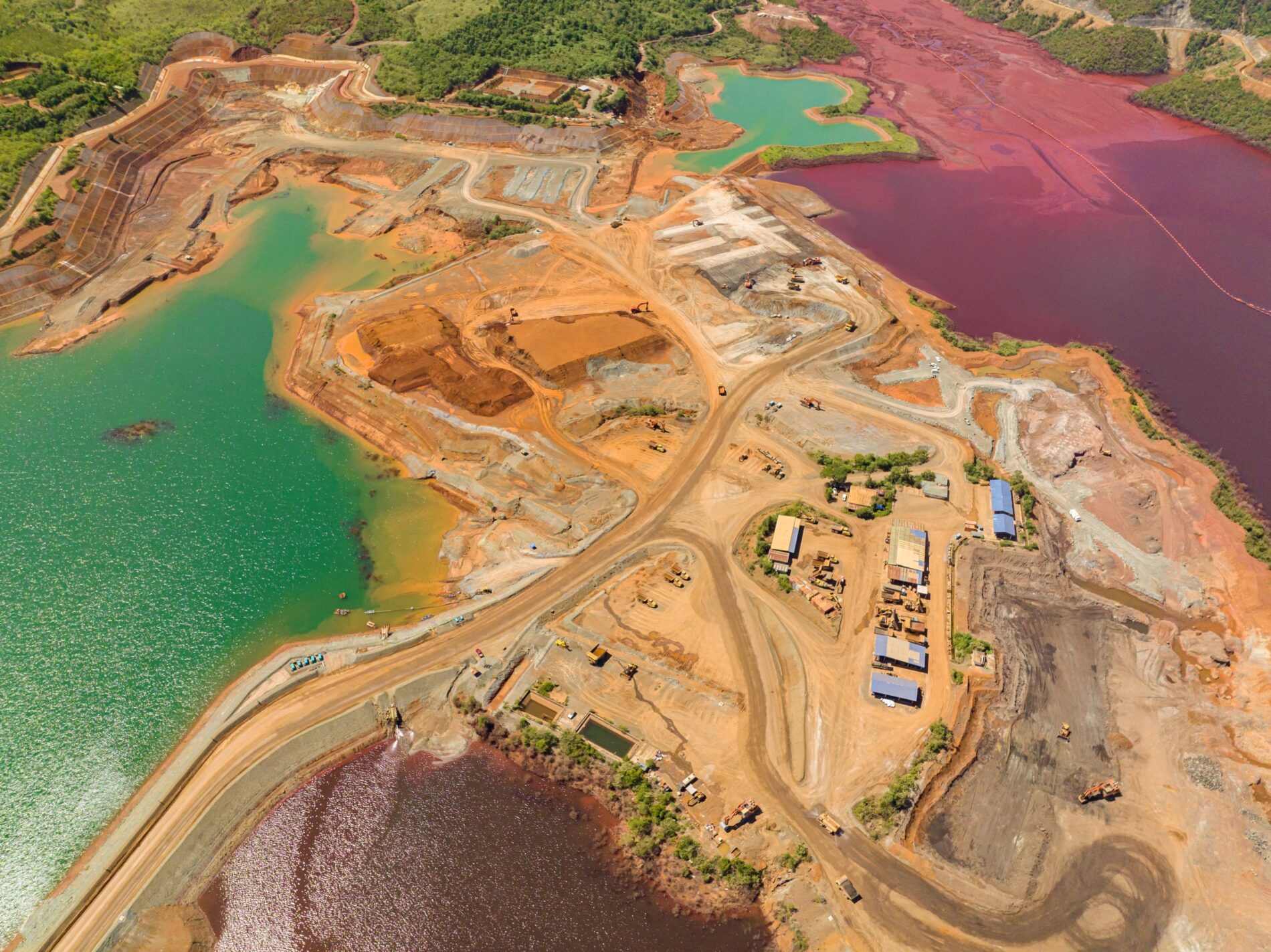
Image: Shutterstock
Environmental regulations reduced the influx of nickel-rich sediments after 1975. However, the biological communities studied did not fully return to their previous state. The study attributes these lasting changes to the prior intensification of mining activities. It thus demonstrates that environmental damage is not confined to the mine site itself; rather, rivers transport the consequences into coastal and marine areas.
Tropical Nickel Deposits Increasingly in Focus
Another study modeled global supply through 2050. According to the findings, tropical laterite deposits could account for 78 to 83 percent of the projected supply. These deposits often lie directly beneath tropical forests; their development therefore necessitates deforestation and large-scale open-pit mining. Around half of the extraction could impact areas that are particularly important for biodiversity and carbon storage.
Furthermore, 53 to 60 percent of future production could come from coastal mines. The model indicates that this would require moving 7.4 to 8.4 billion tonnes of ore. Processing operations consequently generate billions of tonnes of overburden and other waste materials. Subsequent erosion or leaks from tailings ponds can introduce pollutants into rivers and oceans, thereby increasing risks to coastal ecosystems, fisheries, and surrounding communities.
Battery chemistry influences raw material demand and emissions
Global deployment of electric vehicle batteries rose to approximately 1.2 terawatt-hours in 2025. This represented an increase of nearly 30 percent compared to the previous year. Consequently, the growth of electromobility drove up demand for lithium, graphite, and other battery raw materials. However, more than 55 percent of the batteries deployed were already free of nickel and cobalt; these LFP batteries thus limit the additional demand for these two metals.
Outside China, however, nearly 80 percent of electric vehicle batteries in 2025 continued to use nickel-based cell chemistries. A new extraction process could improve the environmental footprint of such supply chains in the future. It operates at temperatures below 950 degrees Celsius and binds sulfur into solid compounds, meaning no sulfur dioxide is produced during the process. Yet, researchers have so far tested the method only at a pilot-plant scale; therefore, its impact at an industrial level cannot yet be demonstrated.
Recycling reduces the need for mining only in the long term
A Chinese study examined more than 300 recycling projects across 364 cities. Improved planning regarding location and capacity could cut associated emissions by up to 44 percent and increase lithium recovery by 53 percent. However, these savings do not stem solely from shorter transport distances; technology, energy consumption, and the regional electricity mix play a more significant role.
Nevertheless, recycling does not replace the extraction of new raw materials in the short term. Most vehicle batteries installed recently are expected to remain in use until the mid-2030s. Consequently, there is a gap of about 15 years between the surge in demand and the availability of large volumes of spent batteries for recycling. Furthermore, China accounts for more than 85 percent of global recycling capacity. The environmental footprint thus depends on a combination of cell chemistry, origin, processing, and eventual recovery.
Author: Blackout News
Sources: Communications Earth & Environment (16.06.26) – Communications Engineering (15.06.26) – Nature Sustainability (08.06.26) – Nature Ecology & Evolution (06.05.26) – Internationale Energie Agentur (Stand: 14.07.26) – Forschung und Wissen (20.01.25)