
Berlin, August 2026 – The government program to eliminate mobile network dead zones has fallen far short of initial expectations since its launch in 2021. By May 2026, only five of the 267 subsidized cell towers were actually operational. Another 37 towers had been completed or were under construction, while 225 projects had not yet reached the construction phase. Originally, the federal government intended to support the development of up to 5,000 sites. Ultimately, around 300 million euros were made available for the 267 approved projects. At the same time, however, network operators were significantly expanding their infrastructure at their own expense. Consequently, the Federal Court of Auditors now questions the value of further state subsidies.
Expansion to eliminate mobile coverage gaps falls far short of original plans
The federal mobile infrastructure company (MIG) began operations in 2021. However, it does not build the cell towers itself; instead, it organizes and oversees the funding processes. Private infrastructure companies subsequently construct the sites. The program was primarily intended to close coverage gaps where network expansion is not commercially viable for operators.
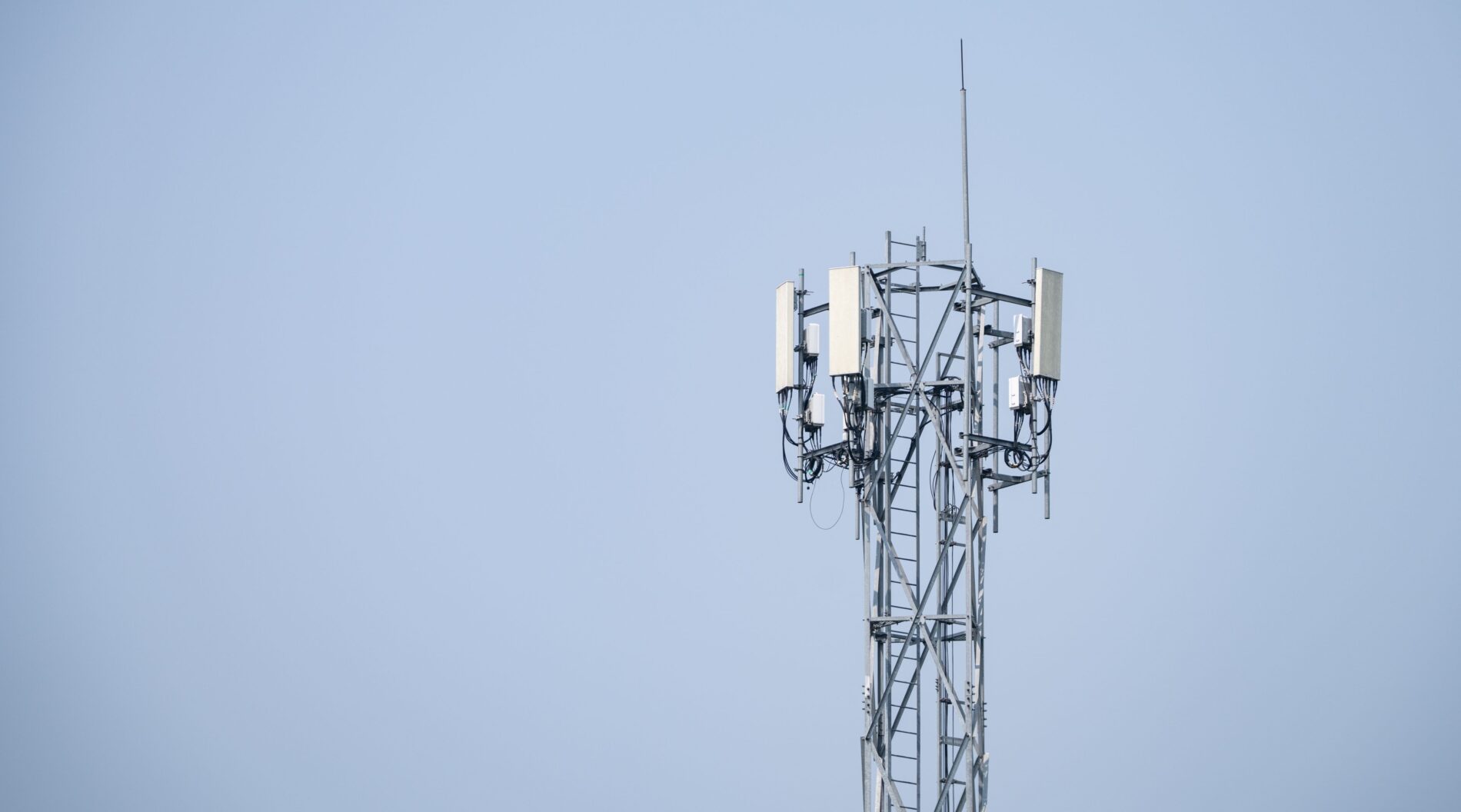
Image: Shutterstock
However, the scale of the project shrank significantly long before the masts were actually completed. The initial political goal of up to 5,000 potential sites ultimately resulted in just 267 approved projects. By the end of 2024, only four masts had been erected, and only two sites were actually operational and broadcasting. A government response at the time confirmed the 267 funding commitments.
Not a single project met the scheduled construction deadline
The delays are particularly evident in the construction timelines. According to data from the Federal Court of Auditors, none of the 267 projects met the planned 14-month deadline. However, the MIG extended the deadlines in each case by invoking exception clauses. Consequently, the federal government did not seek the repayment of funds due to these delays.
Then there are the costs associated with the state-owned company itself. According to the Court of Auditors, establishing and operating the MIG cost €97.4 million between 2020 and 2025. A further €20 million is earmarked for 2026, with another €12 million planned for 2027, bringing total expenditure to €129.4 million. At the same time, the company may take on new responsibilities regarding centralized IT procurement for the federal government; the report indicates that an additional €67 million is being considered for this purpose through 2034.
Private providers are closing mobile coverage gaps much faster
While the government funding program progressed slowly, telecommunications companies continued to expand their own networks. Telefónica alone reported around 4,500 expansion projects and more than 500 new mobile sites for the first half of 2026. Consequently, coverage has improved significantly even without most of the state-subsidized masts. According to the Court of Auditors, 99.93 percent of households now have access to LTE or a superior mobile standard.
However, high household coverage does not equate to complete geographic coverage. Particularly in sparsely populated regions, coverage gaps remain a significant issue for residents, emergency services, and traffic. New subsidized sites are therefore continuing to come online. On August 18, for instance, the MIG reported a mast already broadcasting in Hünxe. The day before, the first subsidized mast in Schleswig-Holstein was erected, while a second site in Bavaria was completed on August 13. Thus, the figure of five active subsidized masts specifically applies to May 2026, not the end of August.
Nevertheless, the official targets remain ambitious. According to federal budget data, only three subsidized sites were in regular operation by the end of 2025. By the end of June 2026, 20 masts had reached the construction phase. However, the plan calls for 90 subsidized sites to be broadcasting regularly by the end of 2026. The overall goal envisages 267 sites by the end of 2028. Ultimately, the success of the program to close coverage gaps will be measured by how many of these projects actually deliver additional signal coverage.
Author: Blackout News
Sources: Bild (21.08.26) – MIG (18.08.26) – Bundesministerium der Finanzen (03.07.26)