
According to diplomatic sources, France is considering participating in the protection of energy infrastructure in Saudi Arabia that has been targeted by the pro-Iranian Houthis. French diplomatic sources stated on Monday (local time) that France stands “ready to contribute—within the framework of a purely defensive approach—to securing Saudi energy infrastructure in Yanbu and along the East-West Pipeline.” However, this “in no way entails participation in the conflict with the Houthis.”
Yanbu is the terminus of the vital East-West oil pipeline, which carries crude oil from production sites on the Persian Gulf. The pipeline allows for bypassing the Strait of Hormuz, a waterway that has been effectively blocked by Tehran since the Iran-Iraq War.
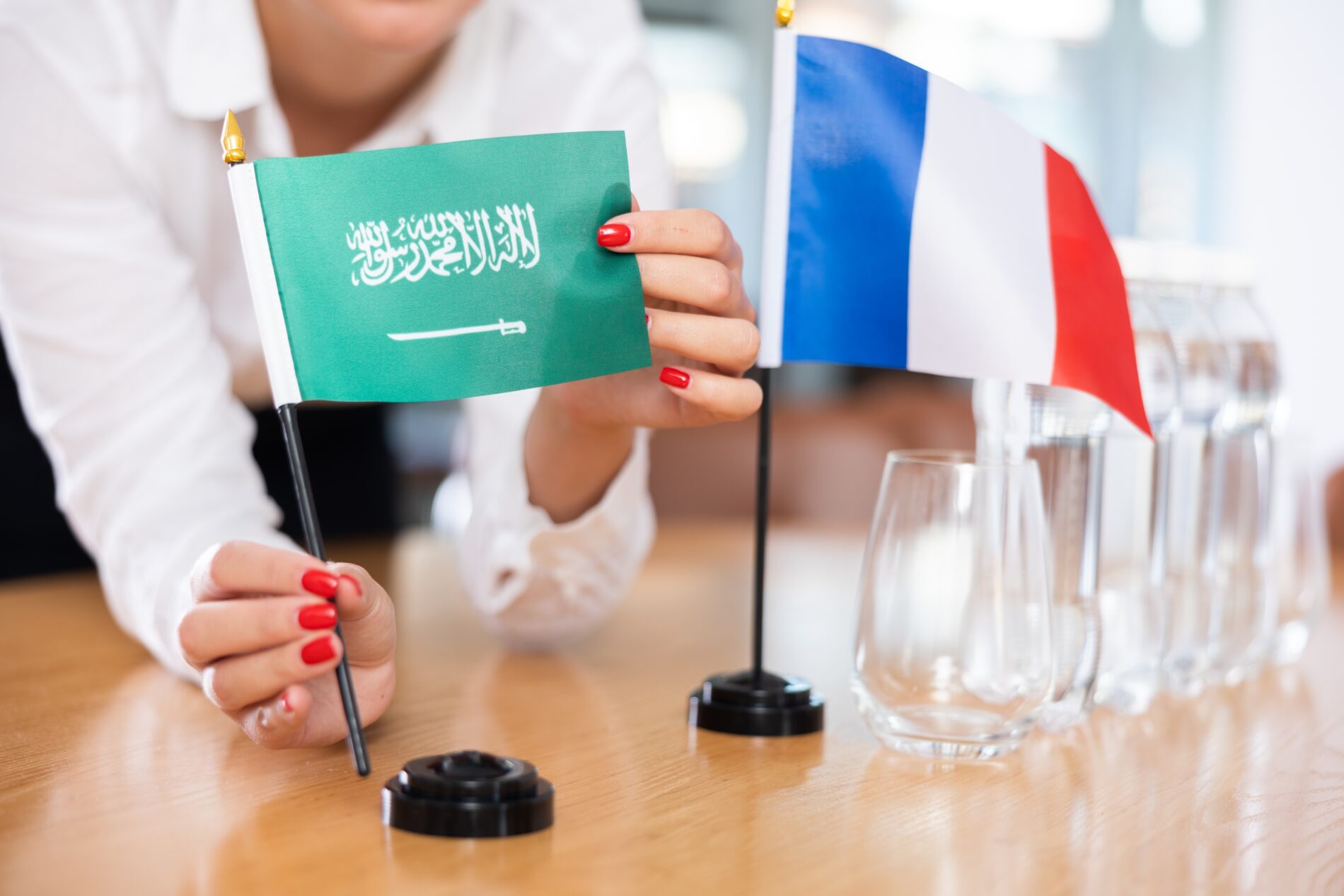
Image: Shutterstock
According to media reports on Monday, British Prime Minister Andy Burnham also declared his readiness to provide Saudi Arabia with military support against Houthi attacks. Burnham told journalists en route to the UN General Assembly in New York that the assistance would be “defensive” in nature. Under the plan, British aircraft would support Saudi fighter jets with mid-air refueling.
Burnham justified the decision to grant the request by citing the need to “safeguard the interests of Great Britain and the entire region.” He noted that Saudi Arabia was exposed to such attacks and had to “anticipate possible further disruptions,” adding: “We must keep these supply routes open.”
According to a report by the news agency PA, the British mission will be limited to supporting Saudi aircraft in defending the country against drone and missile attacks; Britain will not participate in airstrikes against the Houthis. The deployment of the Voyager refueling aircraft is expected to begin within a few days.
Meanwhile, the news agency AFP learned on Monday that Rashad al-Alimi, chairman of Yemen’s Saudi-backed Presidential Leadership Council, had asked US President Donald Trump for support against the Houthis during a phone call on Sunday. However, sources close to al-Alimi’s office indicated that Trump did not pledge any military support.
Two powerful explosions occurred in Riyadh on Saturday. The Houthi attack was the first on the Saudi capital in years and marked a massive escalation.
US media had reported in mid-September that Saudi Arabia’s de facto ruler, Crown Prince Mohammed bin Salman, had unsuccessfully urged Trump to order attacks against the Houthis.
In July, the Houthis announced a naval blockade against Saudi Arabia in the Red Sea and have since attacked targets within the kingdom. Following a lightning offensive last week, the militia seized control of large sections of the Yemeni coast along the strategically vital Bab al-Mandab Strait.
Saudi Arabia had responded to the Houthi advance in Yemen with numerous airstrikes on Houthi-controlled areas. However, it was unable to halt the militia’s push toward the Red Sea. According to UN figures, hundreds of people have been killed and more than 110,000 displaced since the fighting resumed.
The Bab al-Mandab Strait connects the Red Sea to the Gulf of Aden—and thereby the Indian Ocean. It is a crucial route for international shipping, particularly for the export of Saudi oil. Bab al-Mandab has gained further strategic importance since Tehran effectively blockaded the Strait of Hormuz in the Persian Gulf following the outbreak of the conflict involving Iran some six and a half months ago.
Author: AFP – kas – Translated by Blackout News
Sources: AFP Press Portal