
In Germany, motorists are paying nearly 1.90 euros per liter for Super E10 or diesel in June 2026, despite a temporary tax cut. The federal government criticizes oil companies for potential windfall profits, even though the state itself—through energy taxes and VAT—receives the largest share of the final price. This situation is driven by high energy prices amidst the conflict involving Iran, compounded by the additional burden of the CO₂ price on every liter. Around 54 percent of the price of gasoline goes to the treasury, compared to about 43 percent for diesel. Consequently, fuel prices continue to place a heavy burden on commuters, tradespeople, freight companies, and private households.
The state collects significantly more per liter than oil companies do
At a gasoline price of 1.90 euros, the state collects around 1.03 euros per liter. This amount is made up of the energy tax, the CO₂ price, and value-added tax (VAT). Furthermore, VAT is applied to the entire final price. Consequently, the state earns more even when the costs of crude oil, transport, or distribution rise.
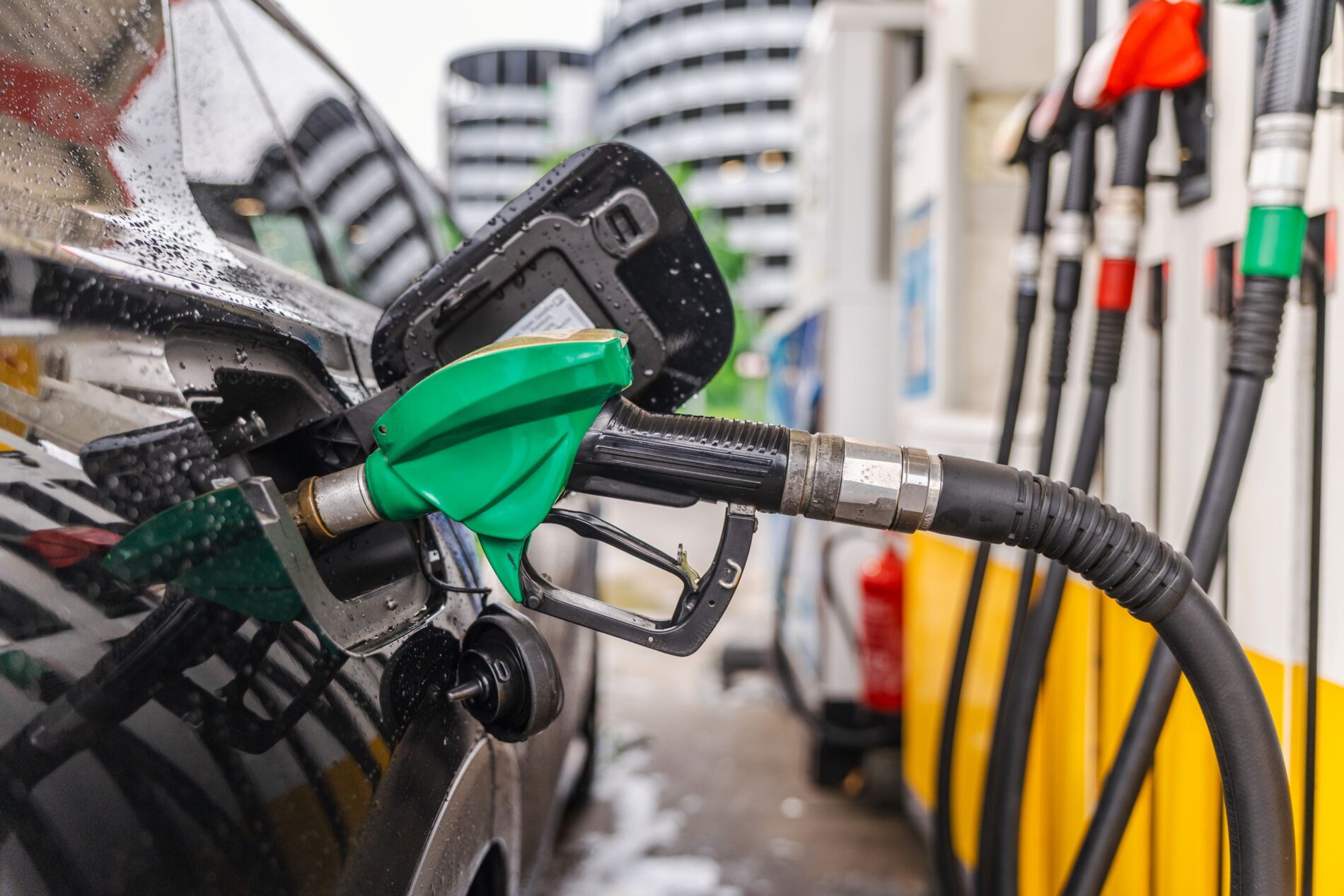
Image: Shutterstock
The temporary tax cut does little to alter this structure. While it provides relief of around 16.7 cents (gross) per liter, energy taxes, the CO₂ price, and VAT remain the dominant components of the price. Consequently, political criticism directed at oil companies appears incomplete as long as the government’s own share of levies is barely addressed.
Accusations of windfall profits obscure the true scale
While the industry’s additional margins can amount to large sums given the millions of liters sold, on a per-liter basis they usually fall within the single-digit cent range. An extra markup of six cents—based on a price of €1.90—equates to just over three percent of the final price. In contrast, the state collects more than one euro at that same price point.
This ratio is crucial for evaluating the debate. Excessive margins warrant scrutiny when prices rise faster than they fall; however, this factor does not account for the bulk of the cost burden. The government-mandated portion of levies carries significantly more weight.
Fuel price does not equate to corporate profit
The non-government share is not pure profit. Companies use these funds to cover the costs of crude oil, refinery operations, storage, transport, and distribution. They also finance maintenance, modernization, safety compliance, and environmental regulations. Therefore, the remaining amount cannot simply be characterized as corporate profit—a common misconception.
Service station operators also earn very little per liter. Many receive only a small commission—ranging from 1 to 3 cents—per liter of fuel sold. They use this income to cover staff wages, electricity, and minor repairs. As a result, the actual earnings for many locations often come from their retail shops rather than fuel sales.
Government criticizes the market while also profiting from it
The federal government may criticize price markups imposed by the industry, but it must simultaneously explain why the state collects the largest share of the price per liter. After all, energy taxes, CO₂ pricing, and value-added tax (VAT) are all based on political decisions. Furthermore, VAT rises automatically whenever other price components increase.
This creates a double impact for motorists: they pay both potential market markups and a substantial fixed government share. Consequently, looking solely at corporate margins is insufficient; anyone wishing to lower fuel prices must first reveal the extent of the state’s take per liter.
Motorists pay a combined cost driven by both policy and the market
The fundamental calculation remains clear. The state receives around one euro per liter of gasoline, whereas the additional margins earned by oil companies—even before deducting associated costs—typically amount to only a few cents. Moreover, the CO₂ price places a permanent burden on mobility. As a result, fuel prices affect not only motorists but also supply chains and consumer prices.
The debate over “windfall profits” distracts from this core issue. While margins certainly warrant scrutiny when competition is not functioning properly, the largest fixed cost component lies with the tax authorities. Therefore, the state bears primary responsibility for the high final price at the pump.
Author: Blackout-News (KOB)
Sources: ADAC (10.06.26) – Welt (08.06.26) – Greenpeace (05.06.26) – ZDFheute (13.04.26)