
Berlin opened the portal for the new electric vehicle subsidy on May 19, 2026. However, the funding applies retroactively to new registrations dating back to the start of the year. Initial dealer figures show particularly strong growth for Chinese electric vehicles. Many of these models from BYD or MG cost between 20,000 and 30,000 euros; consequently, government subsidies and manufacturer discounts have a particularly significant impact in this segment. Around 50,000 applications had been submitted by June 9, with 71 percent coming from households with an annual taxable income of no more than 60,000 euros. The federal government is making a total of three billion euros available. However, a substantial portion could go to buyers of foreign brands.
Chinese EVs Benefit from Price and Availability
The Weller Group operates 42 dealerships and sells brands from several countries. At these locations, monthly orders for MG rose from around 150 vehicles in the first quarter to 231 in April. Meanwhile, BYD saw orders increase from 77 in January to 235 in April. Cupra, by contrast, recorded a rise from 121 to 178 vehicles. However, the data comes from only one dealer group; therefore, it does not fully reflect the German market as a whole.
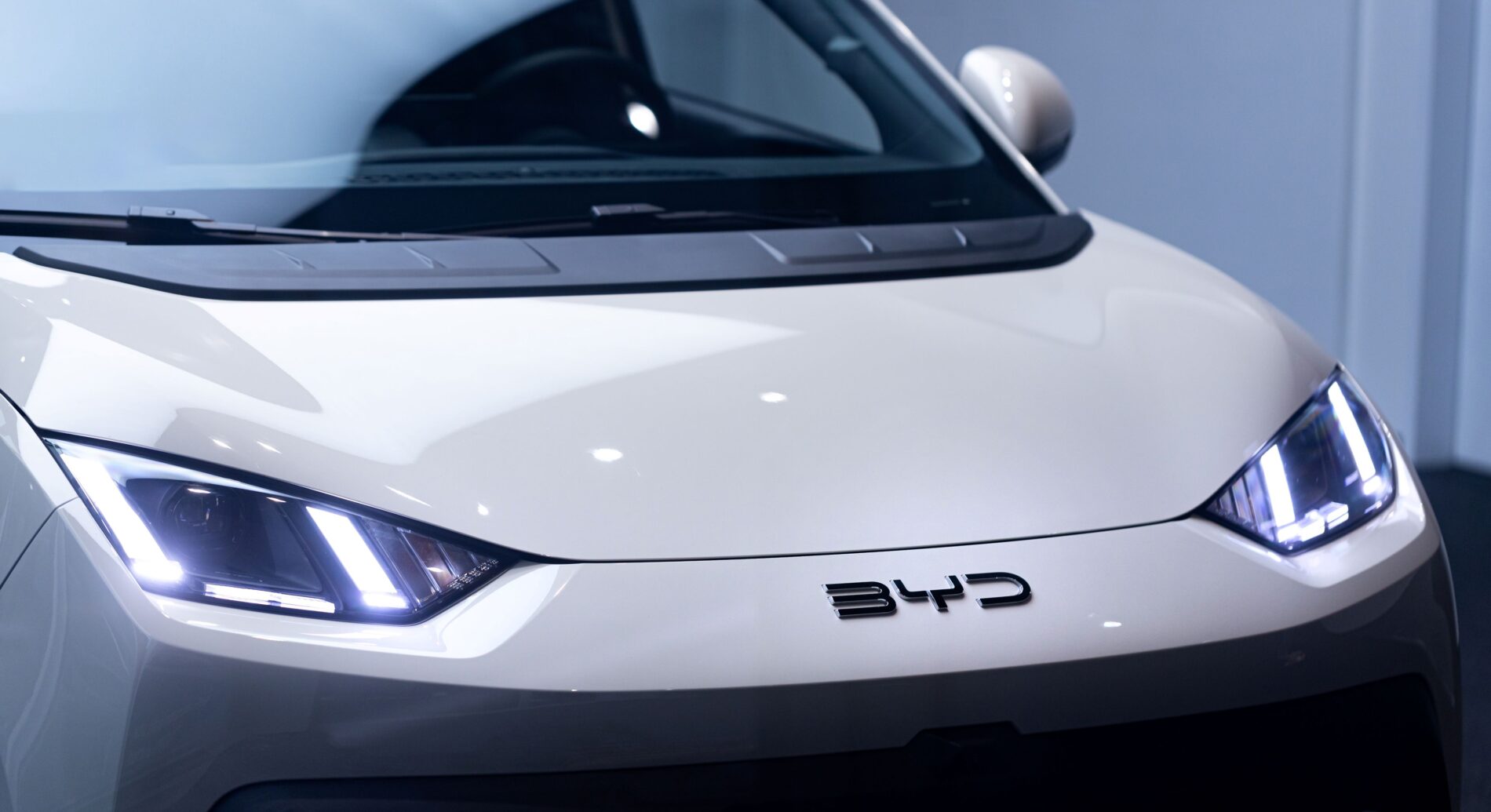
Image: Shutterstock
Nevertheless, the trend offers clues regarding the impact of the subsidy. Many Chinese manufacturers supply pre-configured vehicles from European warehouses, allowing dealers to register these cars on short notice. In contrast, buyers of European brands more frequently order vehicles with custom specifications; longer delivery times in these cases delay the submission of subsidy applications. Furthermore, several providers combine Chinese EVs with additional discounts. According to the automotive trade, this can drive individual lease payments down to around 90 euros per month.
Subsidy reaches up to 6,000 euros depending on household circumstances
The federal government generally pays 3,000 euros for purely battery-electric vehicles, whereas plug-in hybrids and vehicles with range extenders receive 1,500 euros. Households with an annual income below 60,000 euros receive an additional 1,000 euros. If income is below 45,000 euros, the grant increases by another 1,000 euros. Additionally, the premium rises by 500 euros for each eligible child (up to a maximum of two). Consequently, low-income families can receive up to 6,000 euros.
The standard income limit is 80,000 euros. However, this rises to 85,000 euros with one child, and to 90,000 euros for families with two or more children. The subsidy applies to both purchases and leases. In total, the funds are intended to support around 800,000 vehicles through 2029. The federal government aims to achieve social, environmental, and industrial policy goals through this initiative. However, Chinese EVs could capture a disproportionately large share of the funding because they are often cheaper and available more quickly.
EU tariffs currently limit the price advantage only to a certain extent
At the same time, this trend conflicts with European trade policy. Since October 2024, the EU has been imposing additional countervailing duties on electric cars from China. An additional rate of 17 percent applies to BYD, whereas vehicles from the SAIC Group—which includes the MG brand—are subject to a rate of 35.3 percent. Brussels justified the levies by citing Chinese state subsidies. Nevertheless, several imported models in the lower price segment remain competitive.
Meanwhile, the German market for electric cars is growing significantly. In April 2026, new registrations of purely electric cars rose by around 41 percent compared to the same month the previous year, with approximately 64,400 new battery-electric vehicles hitting the road. However, affordable European models are only reaching the market gradually; consequently, import brands currently enjoy an advantage regarding price and delivery times. Registration figures in the coming months will reveal whether this lead persists. A decisive factor will be which manufacturers actually benefit from the disbursed subsidies.
Author: Blackout News
Sources: Wirtschaftswoche (13.06.26) – Autohaus (12.06.26) – Elektroauto News (10.06.26) – Bundesregierung (04.06.26)