
The oil industry expects fuel prices to fall following the de-escalation of the conflict with Iran and the prospect of the Strait of Hormuz remaining open. “I would assume that this will now drive prices down,” Christian Küchen, Director General of the industry association Fuels and Energy (en2x), told broadcasters RTL and ntv on Monday. However, a return to pre-war price levels is unlikely in the foreseeable future due to significant damage to energy infrastructure in the Gulf region.
“It will take at least months—perhaps even years—to return to normal production levels here,” said Küchen. “I continue to anticipate that prices will remain elevated compared to pre-crisis levels, simply because supplies are still missing from global markets.”
On Sunday evening, U.S. President Donald Trump announced that a framework agreement had been reached with Iran to resolve the hostilities. He added that the closure of the Strait of Hormuz to shipping would be lifted, as would the U.S. Navy’s blockade of Iranian ports. Iranian officials also spoke of an “immediate end” to the fighting.
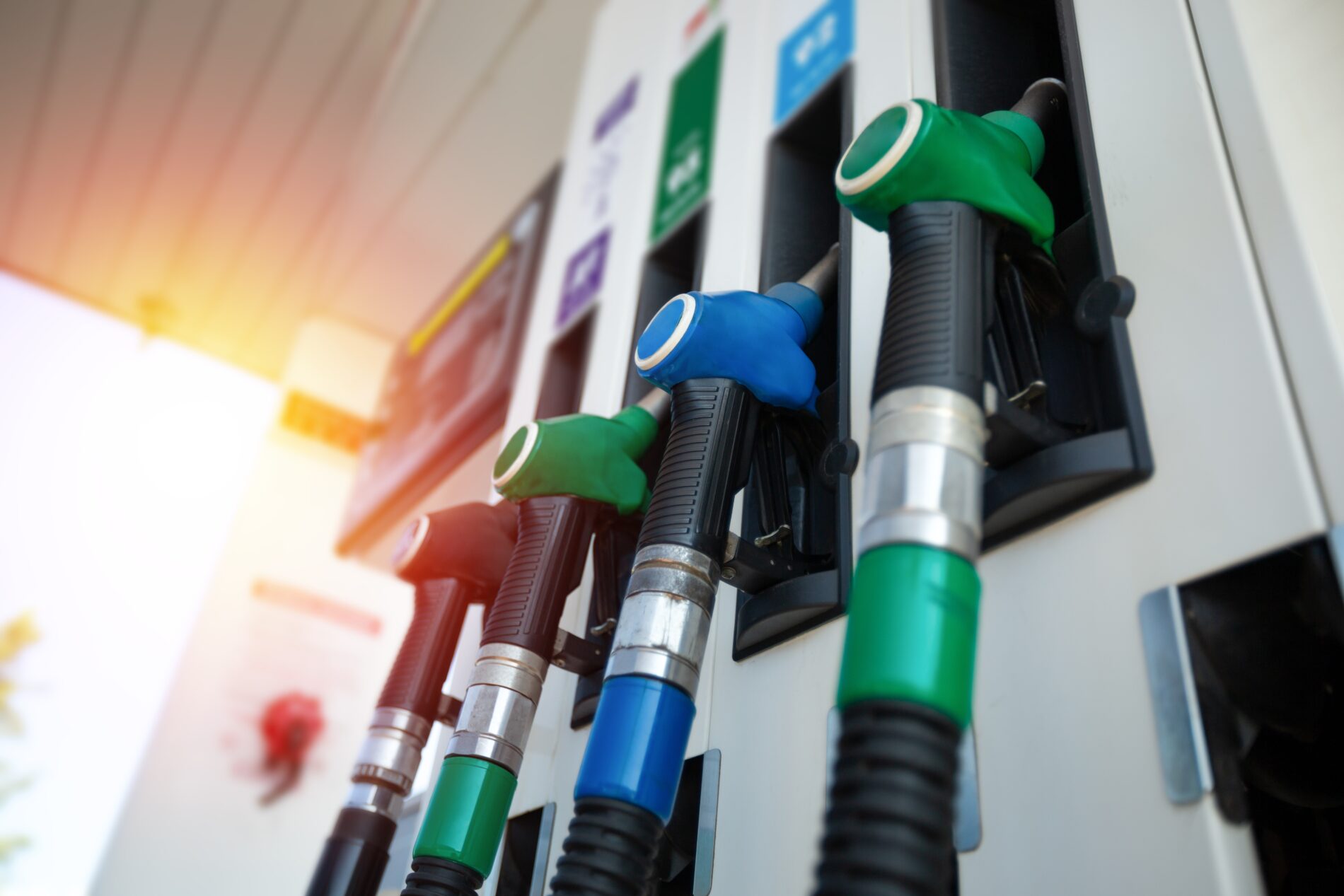
The Strait of Hormuz lies between the Gulf of Oman and the Persian Gulf. Iran had largely blocked this strait—crucial for the global trade in oil, liquefied natural gas, and other goods—following the outbreak of war with the US and Israel in late February. For their part, the US imposed a naval blockade on Iranian ports. Consequently, global oil prices skyrocketed.
Association head Küchen also pointed to the expiring fuel tax cut, which is expected to drive up fuel prices at the beginning of July. “Just as companies (…) lowered prices by 17 cents when the discount was introduced, we will now see the reverse reaction,” he said. However, actual price trends would also depend on global market prices.
Author: AFP
Sources: AFP Press Portal