
A commentary by our author Klaus Bastian
Berlin is planning new or increased levies on alcohol, tobacco, sugar, and plastic for 2027, while Finance Minister Lars Klingbeil announces relief measures for low and middle incomes. This move is driven by a federal budget characterized by high spending, new debt, and growing financial requirements. Consequently, tax proposals that directly impact citizens through their consumption habits are taking center stage. Employees, consumers, and businesses alike are affected, as higher levies can drive up prices and reduce purchasing power.
Relief sounds good, but the math is missing
Klingbeil speaks of greater fairness in the tax system. Yet, in practice, his approach appears less generous. Any relief will come only later, whereas new financial burdens are already taking concrete shape.
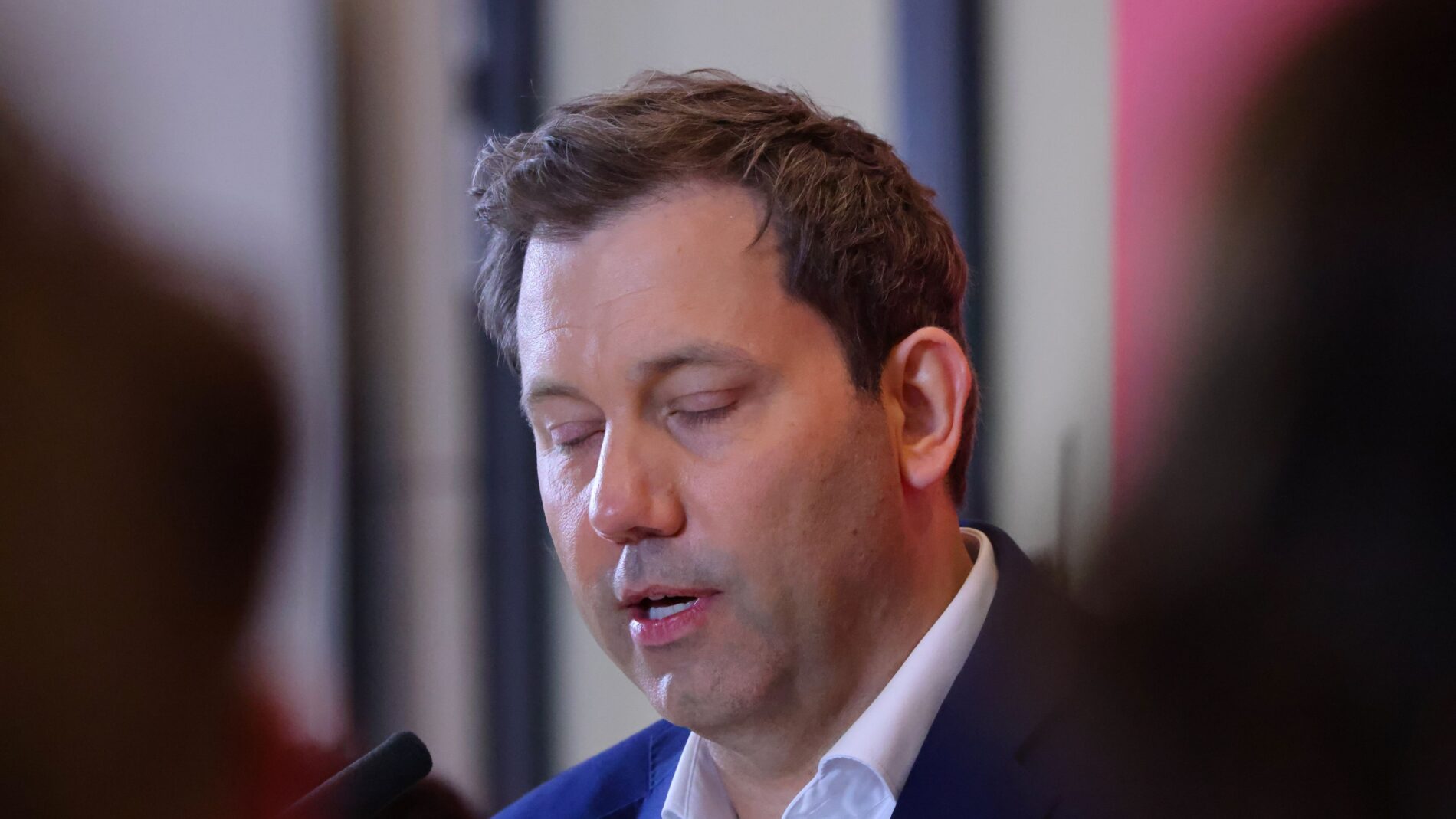
Low and middle incomes are intended to benefit. However, the state does not want to forgo revenue. Consequently, it is shifting the tax burden onto consumption. Those who work are meant to get something back, even as they pay more elsewhere.
Tax proposals target alcohol, sugar, and tobacco
Now, the tax on alcohol is also set to rise. Spirits, sparkling wine, champagne, fortified wines, and alcopops could become more expensive. The federal government anticipates additional revenue from these measures. For consumers, this translates to higher prices when shopping or dining out.
Beer, however, remains exempt. Wine is also set to remain free of special taxes. As a result, the plan does not appear to be a consistent public health policy; instead, it looks like a fiscal choice driven by political convenience.
New levies expand the state’s reach
The sugar levy follows the same logic. Officially, the aim is to improve health and reduce the consumption of sugary drinks. Yet, the state is simultaneously creating a new source of revenue. Soft drinks are thus suddenly transformed into a matter of budgetary policy.
Tobacco taxes are also slated to rise. In addition, the government plans to introduce a plastic levy. The list of new financial burdens continues to grow. Taken together, these tax proposals do not amount to a strategy for financial relief, but rather a schedule of everyday levies.
The state finds a label for every revenue stream
Every new tax is accompanied by a moral justification. Tobacco harms health. Sugar is viewed as a problem. Alcohol entails consequential costs. Furthermore, plastic places a strain on the environment.
These arguments are not necessarily incorrect. However, they are no substitute for sound budgetary policy. The state uses them to cover its financial needs. Consequently, the suspicion remains that “prevention” is merely a more appealing term for generating revenue.
In the end, the citizen pays anyway
Klingbeil’s approach follows a simple pattern. First, policymakers promise relief. Then, they look to consumer spending to fill the coffers. These tax proposals essentially mask a budgetary problem that the citizen is expected to foot the bill for.
For employees, however, the wording of the coalition agreement matters less than the actual balance in their accounts after taxes, prices, and levies are factored in. When alcohol, tobacco, sugar, and plastic become more expensive, the value of any announced relief shrinks. This is not genuine tax policy for citizens, but rather redistribution with a price tag.
Author: Klaus Bastian – Blackout News
Sources: RedaktionsNetzwerk Deutschland (27.06.26) – Deutschlandfunk (27.06.26) – Handelsblatt (26.06.26) – Die Zeit (27.04.26)