Concerned about potential supply shortages for oil and gas, EU member states have agreed to postpone the implementation of the Methane Regulation by one year. This decision was reached by the EU Council in Brussels on November 6, 2026. The move comes against the backdrop of strained energy markets—exacerbated by the war involving Iran—and the risk of further price increases. Consequently, the planned reporting and verification requirements for importers of natural gas, crude oil, and coal will now take effect at the beginning of 2028, rather than in 2027. With this delay, the EU aims to ensure that additional environmental regulations do not place further strain on an already challenging energy supply situation. The amendment, however, still requires the approval of the European Parliament.
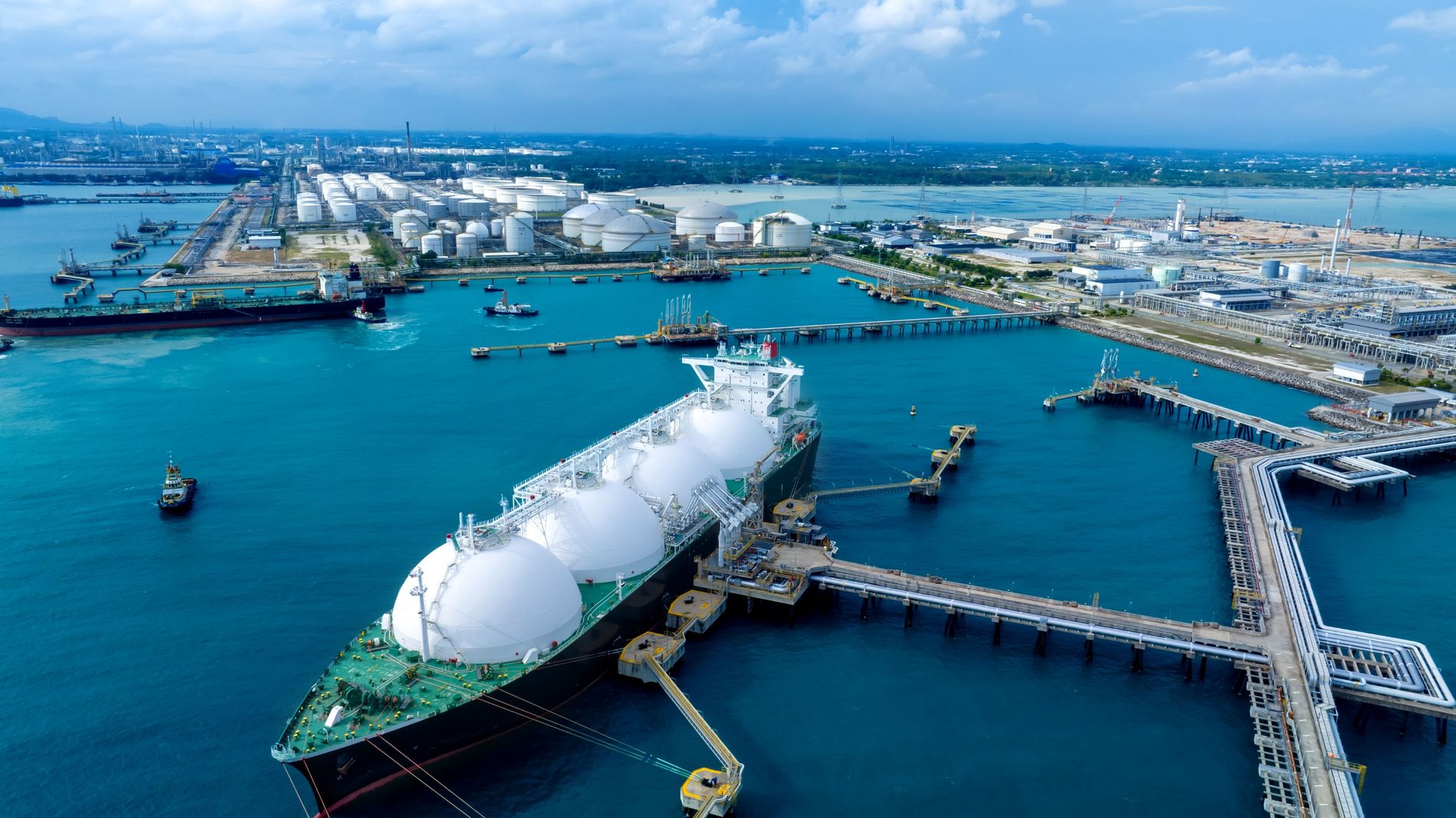
Image: Shutterstock
Methane Regulation Could Jeopardize Oil and Gas Imports
The EU adopted these regulations in 2024 with the aim of reducing methane emissions associated with the extraction and transport of fossil fuels. Starting in January 2027, importers will be required to demonstrate that their suppliers adhere to comparable monitoring and control procedures. This applies, in particular, to supply contracts concluded or extended since August 2024. However, the implementation process is currently hindered by a lack of binding verification standards and a sufficient number of independent oversight bodies.
The EU now views this situation as a potential threat to security of supply, as international suppliers may struggle to provide the extensive documentation required by the deadline. While the regulations do not explicitly prohibit energy imports, the European Commission is concerned that it may become difficult to source sufficient supplies that meet the new compliance standards. Consequently, the volume of oil and gas available to the European market could shrink, potentially leading to increased upward pressure on prices.
Fears of Further Shortages and Rising Energy Prices
The conflict involving Iran has significantly disrupted international supply chains, while Europe remains dependent on large-scale imports of fossil fuels. The procurement of liquefied natural gas (LNG), in particular, is highly sensitive to global market conditions. Consequently, the EU aims to avoid creating additional hurdles for energy imports. The United States had also urged for adjustments to methane regulations, and France likewise called for a postponement to avoid further jeopardizing energy supplies.
This development is of particular concern for Germany, as its households, industrial firms, and gas-fired power plants continue to require substantial quantities of natural gas. Rising procurement costs not only make heating more expensive but can also place a strain on electricity generation. At the same time, Europe must continue to replace remaining Russian gas supplies. While delaying environmental requirements is intended to ease the procurement process, it offers no guarantee that energy prices will fall.
EU Postpones New Compliance Obligations by One Year
Following a decision by the Council, the stricter verification requirements under the Methane Regulation will now take effect on January 1, 2028, rather than earlier. Furthermore, the deadline for reporting on methane intensity has been pushed back to August 5, 2029. The planned maximum limits are now set to apply from August 2031, instead of 2030. Existing regulations concerning the detection and remediation of methane leaks, however, remain in full effect.
It is possible, however, that this one-year postponement may not be the end of the matter. The European Commission is tasked with assessing—by September 30, 2027—whether a sufficient number of independent verifiers and the necessary implementing rules are in place. Should these conditions not be met, the Council’s position allows for a further delay in the implementation of import controls. Additionally, the Commission may propose further amendments if the security of energy supply appears to be at risk once again.
Gas industry calls for a three-year postponement
The German industry association, Die Gas- und Wasserstoffwirtschaft (The Gas and Hydrogen Industry), argues that an additional year is insufficient. It points out that, for international supply chains, there is still a lack of legally robust certification procedures and adequate verification capacity. Consequently, association board member Timm Kehler is calling for a three-year transition period. Uniper CEO Michael Lewis also stated back in October that establishing the necessary control systems would take approximately three years.
The European Parliament also supports a longer postponement; on October 22, it voted 341 to 225 in favor of more extensive delays. In contrast, over 30 environmental organizations have warned against a permanent weakening of methane regulations. They maintain that the technical challenges are fundamentally solvable and oppose any further extensions to the deadlines. The Council and the Parliament must now agree on a common timeline. The EU thus finds itself facing a self-inflicted conflict: it aims to enforce stricter environmental standards, yet now fears that these could hinder the supply of urgently needed energy sources.
Author: Blackout News
Sources: European Council (06.11.26) – Reuters (06.10.26) – Gas und Wasserstoff Wirtschaft (06.11.26) – Clean Air Task Force (06.11.26)