
The multi-billion euro deficit at the Federal Employment Agency continues to grow. For months, job cuts across German industry have exacerbated the industrial crisis and driven up unemployment. This has led to an increase in expenditure on unemployment benefits, while at the same time, contribution revenues have fallen short. Consequently, the federal government must provide an additional 5.05 billion euros. In total, the borrowing requirement for 2026 will rise to approximately nine billion euros. The Federal Ministry of Finance has described this additional need as “unforeseen”—even though the Employment Agency had already warned in June that a loan requirement of around 8.4 billion euros was likely.
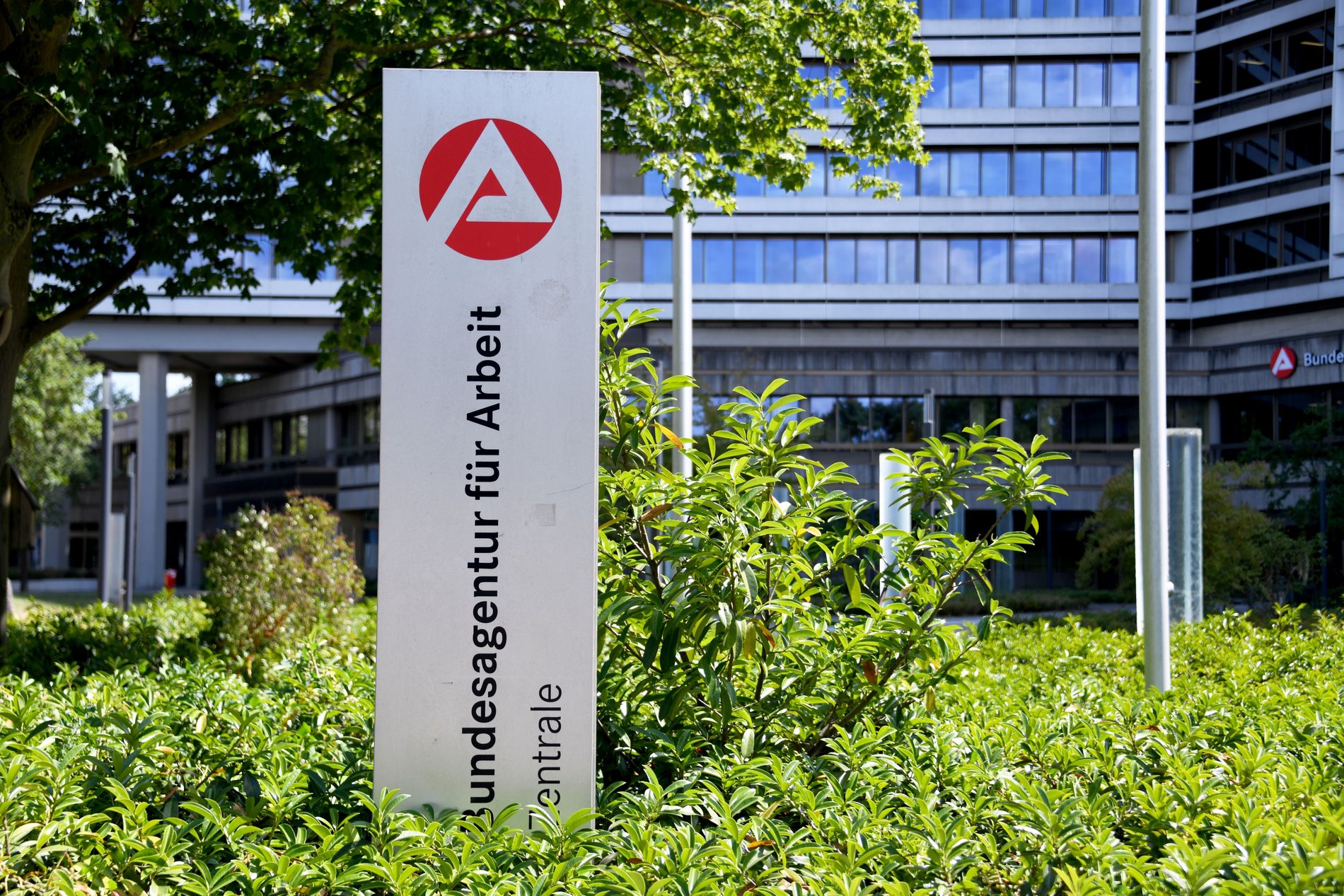
Image: Shutterstock
Industry has been shedding jobs for months – yet the government banked on a recovery
In its budget planning, the German federal government anticipated a recovery in the labor market. In reality, however, job cuts within German industry have continued. As early as August, the Federal Statistical Office reported a loss of 144,100 industrial jobs over the preceding year. In the automotive sector alone, employment fell by 42,300. These figures provided clear, early indications of persistent weakness in the labor market.
Recent corporate announcements further confirm this trend. In early November, Schaeffler announced the elimination of another 2,660 jobs in Germany, alongside plans to close four of its German sites. Other manufacturers and suppliers—such as Bosch, ZF, and Volkswagen—are also implementing extensive cost-cutting programs. Consequently, the employment crisis is no longer confined to individual companies; it now affects significant segments of the industrial value chain.
Multi-billion euro shortfall was already known in June
The Federal Ministry of Finance’s claim that these developments could not have been foreseen is particularly questionable. After all, the Federal Employment Agency had already warned in June that it would require loans totaling approximately 8.4 billion euros. In August, the Federal Government even confirmed this figure in a response to the Bundestag. The expected borrowing requirement now stands at around 9.02 billion euros—meaning the additional variance from the June forecast is only about 620 million euros.
The core of the problem, therefore, lies in the original budget planning, which had allocated only 3.97 billion euros in loans for the Federal Employment Agency. Although the employment crisis had been looming for months, the budget was based on a much more optimistic outlook for the labor market. The now-necessary increase of 5.05 billion euros highlights this miscalculation. The multi-billion euro shortfall did not emerge overnight; it grew over the course of many months.
Unemployment benefits cost billions more than planned
Current calculations by the Bremen Institute for Labor Market Research and Youth Vocational Assistance illustrate just how significantly actual expenditures have diverged from the budget. From January to October 2026, the Federal Employment Agency’s spending exceeded its revenue by 7.723 billion euros—a sharp increase from the 4.417 billion euro deficit recorded during the same period the previous year. In other words, the shortfall grew by approximately 3.3 billion euros within a single year. Yet, the 2026 budget had originally anticipated a much smaller funding gap.
Costs for unemployment benefits, in particular, have risen sharply. In the twelve months leading up to October 2026, the Federal Employment Agency paid out 29.94 billion euros for these benefits—an increase of 16 percent compared to the preceding twelve-month period. In contrast, the agency had anticipated a decline in expenditures for 2026. At the same time, an increasing number of people are receiving unemployment benefits, while the pool of contributors is shrinking due to job losses.
Job cuts place an growing burden on social security funds
In October, there were 2.955 million unemployed people across Germany. Although the figure fell compared to September—a seasonal trend—it rose again once adjusted for seasonal factors. Furthermore, 1.065 million people were receiving unemployment benefits, an increase of 88,000 from the previous year. The loss of well-paid industrial jobs is particularly problematic, as it also results in the disappearance of significant contributions to the unemployment insurance system.
However, the financial strain extends beyond the Federal Employment Agency. The federal government requires an additional 250 million euros for basic social security, primarily due to higher health insurance contributions. Another 408 million euros are needed for the pension insurance system. Consequently, several expenditure categories are rising simultaneously, while economic weakness weighs on public revenue. The repercussions of the industrial crisis are thus increasingly impacting the federal budget.
Federal Government Already Planning Further Multi-Billion Euro Loans
With these new loans, the Federal Employment Agency’s debt to the federal government is expected to exceed ten billion euros by the end of 2026. The draft budget also earmarks an additional 5.2 billion euros in loans for 2027. As early as June, the Employment Agency projected that its total debt could reach 23.4 billion euros by 2030—a scenario that assumes economic conditions will not improve sufficiently.
The federal government is thus forced to provide billions, even though the root causes of the financial gap have been apparent for months. A lack of new hiring combined with ongoing job cuts places a double burden on the unemployment insurance system: expenditures for the unemployed are rising, while contributions from regular employment are falling short. As long as industrial employment fails to recover, this multi-billion euro deficit will remain a significant budgetary challenge. While additional loans ensure that ongoing payments can be met, they do not address the underlying economic factors driving the rise in expenditures.
Author: Blackout News
Sources: Welt (06.11.26) – Onvista (05.11.26) – Bundesagentur für Arbeit (30.10.26)