
The EU is expanding its steel tariffs but aims to appease its key trading partners with preferential treatment. According to the European Commission on Tuesday, the new rules will allow countries such as Turkey, India, and South Korea to import more duty-free steel into the EU than nations with which the EU has no free trade agreement—such as China. The expanded tariffs take effect on Wednesday.
Steel imports into the EU are duty-free up to a certain annual volume. Going forward, this limit will be 18.3 million tonnes—roughly half the previous figure. However, the earlier quota was set so high that it was never actually reached. The cap applies to various forms of steel destined for further processing within the EU, including wire, bars, plates, and railway tracks.
In accordance with World Trade Organization (WTO) rules, the 18.3 million tonnes will be allocated among trading partners; major suppliers will receive a fixed share for each steel product based on import volumes from 2022 to 2024. Half of the duty-free volume will continue to be distributed among all global trading partners, as before. The remaining half is reserved exclusively for countries with which the EU has concluded a free trade agreement or a corresponding declaration of intent.
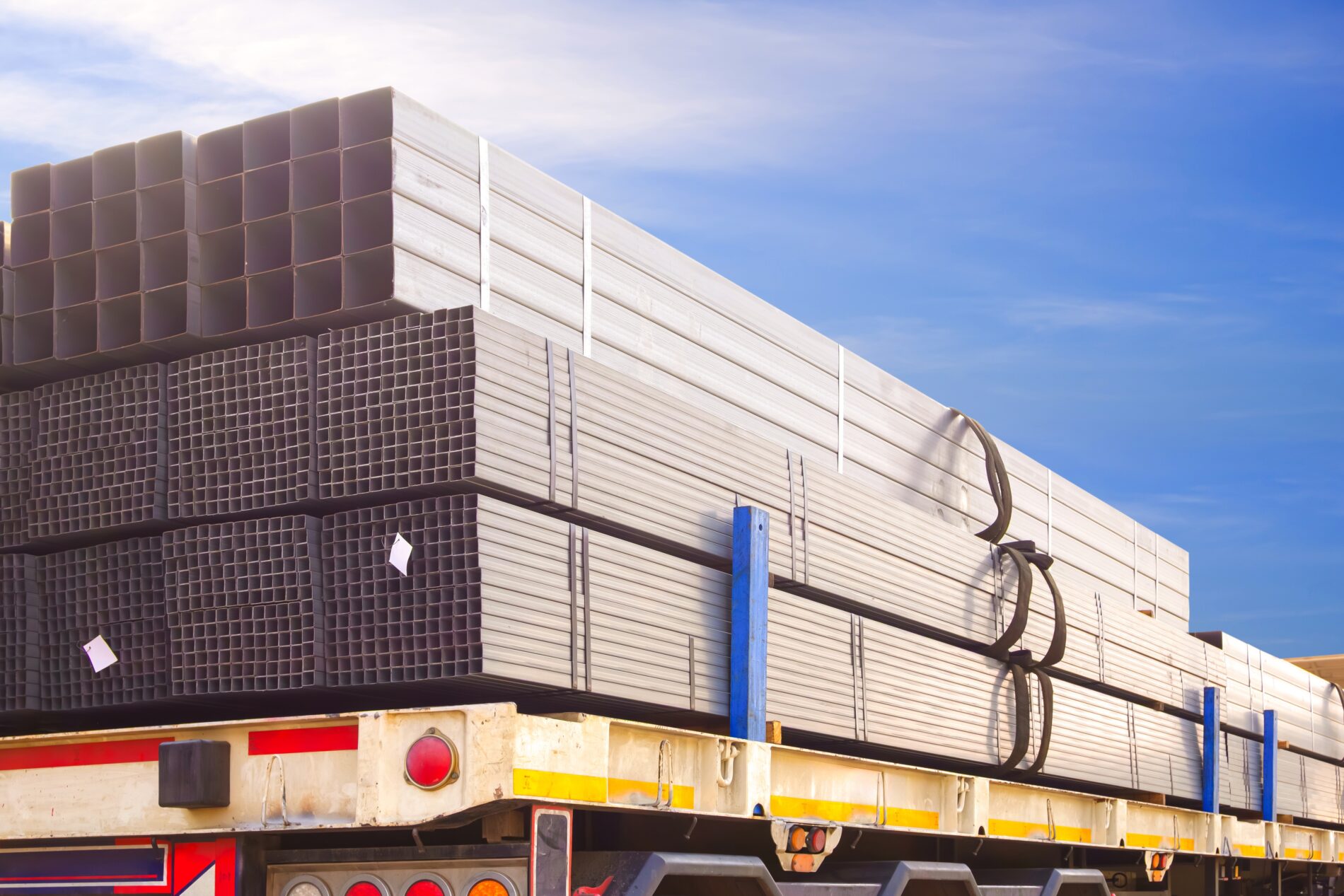
Image: Shutterstock
A number of countries gain an advantage as a result, including key importers such as Turkey, India, and South Korea. In addition, the UK, Switzerland, and Ukraine—as well as Indonesia, Egypt, Brazil, North Macedonia, South Africa, Argentina, and Singapore—have such agreements with the EU. As members of the European Economic Area, Norway, Iceland, and Liechtenstein are exempt from tariffs.
The US is not among these preferred trading partners. However, according to an official, the EU Commission does not anticipate a retaliatory move from Washington. “There will be no retaliation because, in this instance, the US approves of what we are doing,” the official said in Brussels.
Both the EU and the US aim to protect their companies from cheaper competition on the global market. However, the official noted that high US tariffs on steel are causing problems for the EU, as EU companies are facing surcharges and the bloc is seeing an influx of cheap steel that would otherwise have gone to the US.
Supplies come from sources including China, which produced around 961 million tonnes of steel last year—accounting for more than half of global output. By comparison, German industry produced approximately 34 million tonnes. However, the EU official emphasized that the tightening of steel tariffs is not directed solely at China.
Previously, a 25 percent surcharge applied to imports exceeding the duty-free quota; this is now being doubled to 50 percent. According to Brussels, the aim is to make imports exceeding the duty-free limit unprofitable. With this move, the EU intends to support its own steel industry, which is currently in crisis due to US tariffs and high energy prices.
Author: AFP – jhm/ilo – Translated by Blackout News
Sources: AFP Press Portal