
On the evening of Saturday, June 27, 2026, Tanzania’s national power grid failed. Around 7 p.m. local time, a technical grid fault triggered a nationwide blackout. All regions supplied by the interconnected grid were affected, as was Zanzibar. At the same time, the utility company TANESCO reported faults on three transmission lines and a substation; consequently, protection systems shut down large parts of the network. The outage impacted rail services, hospitals, businesses, and millions of households, though technicians managed to stabilize the power supply later that same night.
Statewide blackout reveals weakness in the power grid
TANESCO describes the grid as an interconnected system of power plants, transmission lines, and substations. Consequently, a fault at key points can have repercussions far beyond the site of origin. Protection systems automatically isolated the affected sections to prevent major damage to transformers, lines, and switchgear.
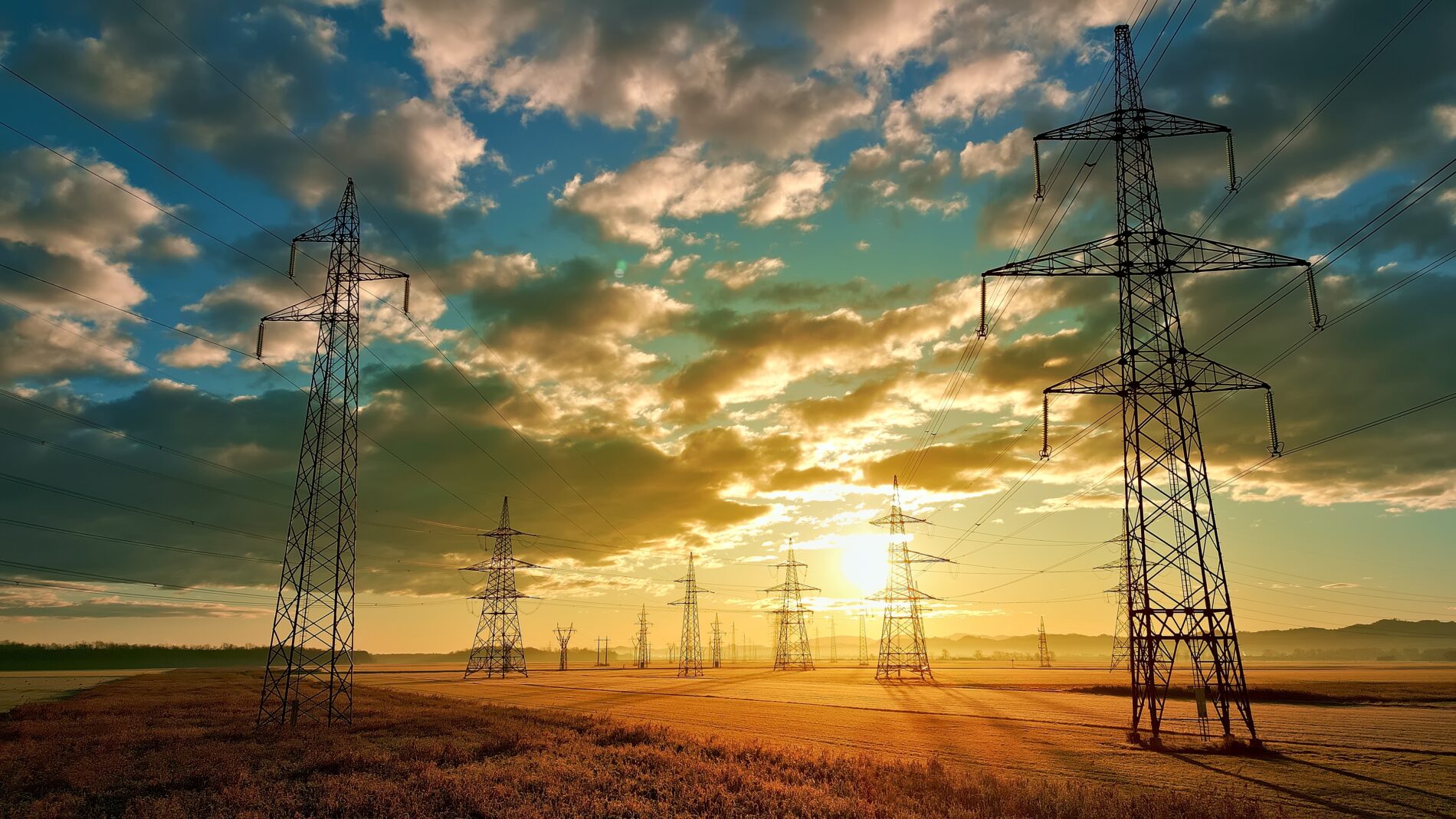
Image: Shutterstock
The energy provider cited a rare multiple-fault incident rather than a lack of power generation. Energy Minister Deogratius Ndejembi stated: “What happened yesterday was a grid fault, not a generation problem.” In doing so, the government contradicted the interpretation that Tanzania lacked sufficient power plant capacity to meet the evening peak demand.
Trains stalled; hospitals forced into emergency operations
The outage had a particularly visible impact on the electric Standard Gauge Railway. Trains came to a halt or faced significant delays, leaving passengers waiting hours for their journeys to resume. Benjamin Mkapa Hospital, as well as businesses and retailers, also reported disruptions due to the lack of electricity for equipment, lighting, refrigeration, and digital payment systems.
For households, the nationwide blackout meant failed water pumps, darkened homes, and interrupted communications. In cities like Dar es Salaam, many services rely directly on the grid; consequently, a technical grid failure quickly affects transport, healthcare, commerce, and water supplies.
More power plants do not prevent grid collapse
The outage affects a power system that has expanded rapidly in a short period. Installed capacity now stands at approximately 4.6 gigawatts, with the Julius Nyerere Hydropower Plant providing additional capacity. However, greater power generation capacity does not automatically safeguard against a grid collapse.
The regulatory authority recently reported over 8,300 kilometers of transmission lines and 72 substations. At the same time, peak demand on the main grid rose to around 2,072 megawatts. Thus, security of supply depends not only on generation capacity but also on the ability to rapidly isolate faults.
Government Demands Better Fault Containment
The government established a special task force comprising representatives from the ministry, TANESCO, and security agencies. Its mandate is to pinpoint the cause more precisely and propose measures to prevent a recurrence. The minister called for a grid capable of containing local faults rather than dragging down entire regions of the country.
TANESCO reported that power supplies in all connected regions had stabilized by that same night. Nevertheless, the incident remains significant for East Africa, as power grids in the region are absorbing large numbers of new consumers and major projects. The nationwide blackout thus highlights the limitations of a purely capacity-focused approach: power plants are of little use if transmission lines and protection systems fail to contain faults locally.
Author: Blackout News
Sources: Reuters (27.06.26) – Xinhua News (28.06.26) – Energy News Afrika (28.06.26) – Devdiscourse (28.06.26)