
With Regulation 2026/1738, the EU is tightening regulations regarding the recovery of and trade in used spare parts. From September 2028, the dismantling of end-of-life vehicles by private individuals will be subject to stricter limitations. Starting in September 2029, additional requirements will apply to commercial sellers of spare parts. However, there is no blanket ban on private, individual sales. The new rules could have significant consequences, particularly for owners of older cars and classic vehicles. Since many manufacturers no longer supply spare parts for older models, private markets for such parts are often the only way to carry out necessary repairs. Further restrictions could make sourcing parts more difficult, increase repair costs, and jeopardize the preservation of older vehicles.
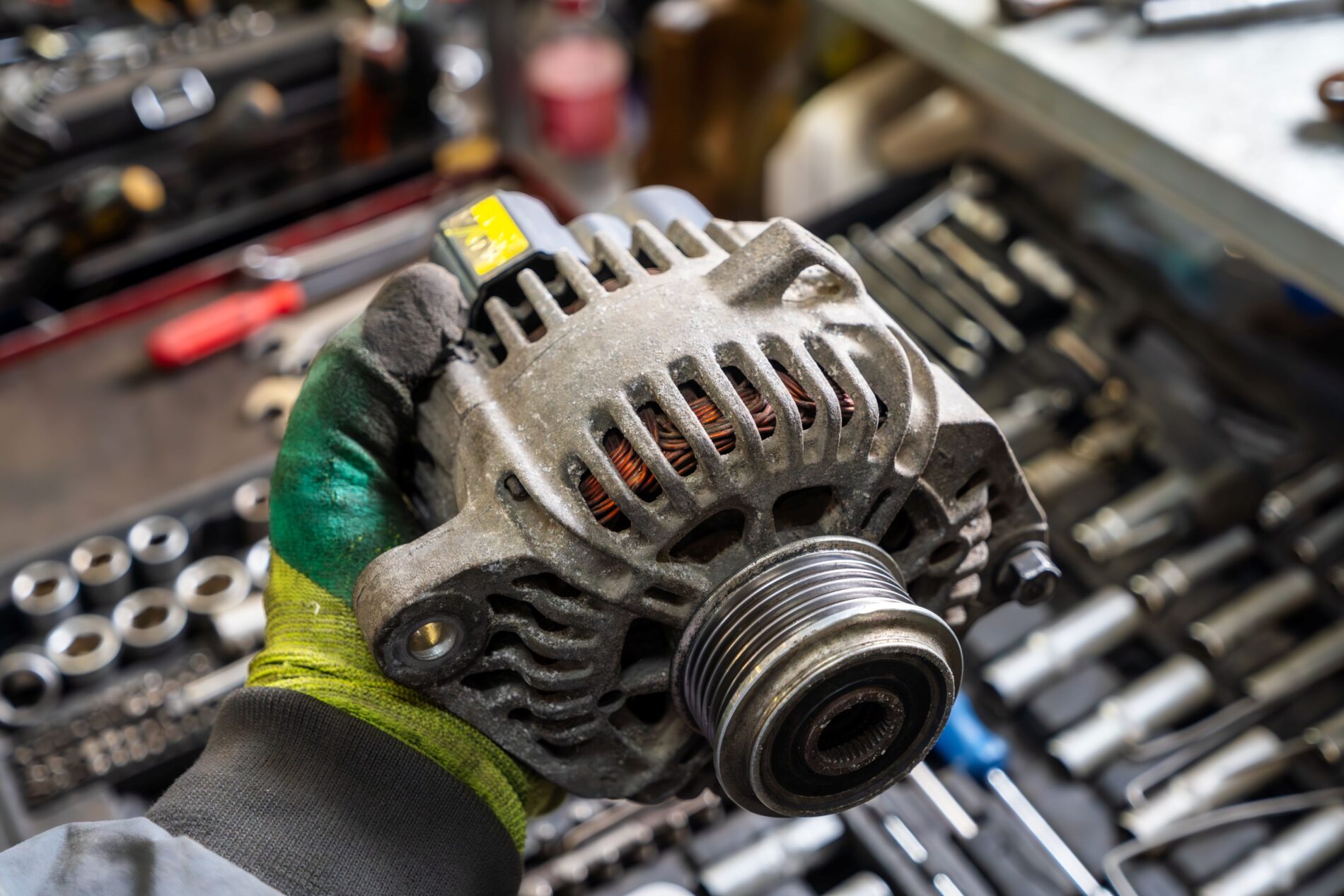
Image: Shutterstock
EU Restricts Private Salvaging of Used Spare Parts
Until now, private car enthusiasts have frequently purchased old vehicles to extract components that are still in working order—such as engines, transmissions, axles, and body parts—to use as spare parts for other vehicles. However, a new EU regulation imposes stricter limits on this practice. According to Annex I, a vehicle that has been dismantled in this manner is classified as an “end-of-life vehicle,” which subjects it to specific legal requirements regarding its subsequent handling.
Article 24 generally mandates that owners of end-of-life vehicles must hand them over to authorized treatment facilities or collection points. This effectively restricts the independent, private salvaging of such vehicles. The occasional sale of an individual part that has been removed, however, generally remains permissible. The significant change, therefore, primarily concerns the origin and acquisition of used spare parts—a shift that could diminish the importance of the private sources previously used to obtain them.
Private sources of spare parts are often indispensable for classic cars
The consequences for the preservation of older vehicles could be particularly far-reaching. Many manufacturers long ago ceased supplying spare parts for models that are decades old. Consequently, private collectors, specialized dealers, and small workshops ensure the continued availability of rare, original components—often salvaged from “donor” vehicles that are no longer roadworthy. Without such sources, restoring many models would be significantly more difficult, if not economically unfeasible.
For instance, if a rare transmission housing is missing, a dismantled vehicle might be the only available source for a replacement. The same applies to dashboard components, specialized control units, or body parts that are no longer in production. If the private dismantling of suitable donor vehicles becomes less common, the available supply could shrink. This would make sourcing parts more difficult and likely drive up prices—a particularly critical issue for vehicles with low production numbers and, consequently, very limited spare parts markets.
The “classic car” exemption does not cover all older vehicles
The regulation explicitly excludes vehicles of historical interest from its scope. This exemption also extends to identifiable spare parts required for the maintenance and preservation of a vehicle’s historical condition. As a result, the restoration of recognized historical vehicles remains, in principle, protected. However, not every old car automatically qualifies for this specific legal status; future classics, in particular, may still fall under the general regulations.
This creates a problematic gray area. A 25-year-old car might be worth preserving from a technical standpoint, yet not yet qualify as a “historical vehicle.” In such cases, certain components may only be obtainable from identical donor vehicles. If the private dismantling of these cars is restricted, the supply of spare parts could suffer. Therefore, the exemption for historical vehicles does not entirely shield enthusiasts of older cars from the economic impact of these regulations.
New Regulations for the Spare Parts Trade
Starting in September 2029, Article 31 will require commercial sellers to comply with additional stipulations. Specifically, used spare parts sourced from authorized recycling or dismantling facilities must bear the prescribed labeling. Furthermore, the components offered for sale must be capable of performing their intended functions under normal use. These requirements also apply to online sales. For small-scale dealers, this may result in additional costs related to inspection, organization, and documentation.
Large-scale recycling or dismantling companies may find it easier to meet these requirements than smaller, specialized businesses, as the former already possess authorized facilities and established operational processes. Conversely, for vendors of rare spare parts with low sales volumes, the additional burden is more significant. Should these requirements drive up costs, dealers might pass them on to their customers. However, there are currently no reliable projections regarding future price trends.
Stricter End-of-Life Vehicle Regulations Could Hinder Affordable Repairs
The EU justifies its new regulations by citing environmental protection, safety, and the promotion of a circular economy. At the same time, it aims to encourage the reuse of functional vehicle components. However, this creates a conflict of objectives. Private markets for spare parts extend the service life of many vehicles by making affordable repairs possible in the first place. Additional restrictions on the recovery of parts could, to some extent, negate this economic advantage.
The consequences would be particularly noticeable for older, everyday vehicles. If used spare parts become unavailable or significantly more expensive, repairs that were previously cost-effective could become uneconomical. As a result, vehicles might be scrapped sooner, even though they could still be technically repaired. Whether this scenario actually unfolds depends on how the regulations are implemented and how the spare parts market responds. As it stands, the regulation is already set to limit certain private vehicle-dismantling practices, with further obligations regarding the trade of such parts expected to follow.
Author: Blackout News
Sources: Umweltbundesamt (07.10.26) – Report24 (15.10.26) – WKO (19.08.26)