
On June 12, 2026, EU finance ministers in Luxembourg agreed to a comprehensive expansion of the Carbon Border Adjustment Mechanism (CBAM). Consequently, starting in 2028, nearly 400 types of steel and aluminum goods could fall under the regulation. These include refrigerators, washing machines, garden tools, and other metal-intensive products from non-EU countries. Importers would be required to purchase certificates covering the emissions associated with the metals contained in these products. This could lead to higher import costs and sales prices. However, the European Parliament still needs to approve the final regulation.
Refrigerators are subject to the expanded EU climate tariff
The C2 border adjustment has already covered steel, iron, aluminum, cement, fertilizer, hydrogen and electricity since the beginning of 2026. European manufacturers bear the corresponding costs through EU emissions trading. Foreign providers, on the other hand, receive an advantage if their country of production does not charge a comparable CO2 price. That is why the EU wants to equalize the burden at the external border.
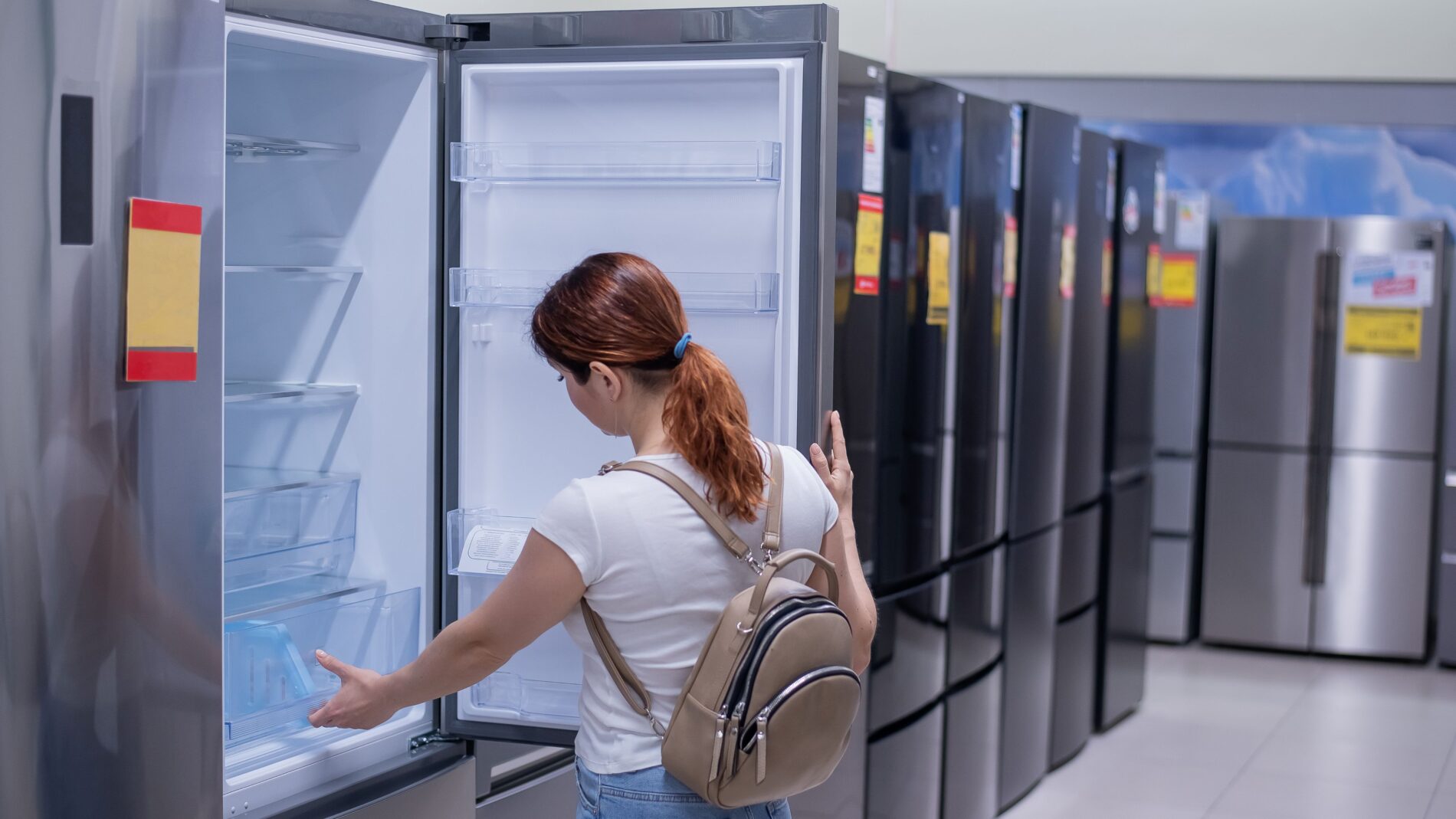
Image: Shutterstock
The EU Commission had initially proposed around 180 additional product categories. However, according to international media reports, member states added approximately 200 further items. As a result, the Council’s list could cover imports worth around 160 billion euros annually. This figure, however, applies to all listed goods, not just refrigerators or other household appliances.
High metal content makes household appliances relevant
Large household appliances contain significant amounts of steel and aluminum. According to the European manufacturers’ association APPLiA, they consist—on average—of about 70 percent materials already subject to CBAM regulations. The association therefore supports the expansion in principle. It also calls for the inclusion of dishwashers, ovens, freezers, and water heaters.
EU manufacturers must already factor in the CO2 costs associated with their metal inputs. Until now, however, finished imported appliances have been able to partially bypass this burden. Companies could therefore relocate processing steps to countries outside the EU and subsequently supply the completed appliances to the European single market.
China and India anticipate higher export costs
Manufacturers from China, India, and other exporting nations would be required to submit precise emissions data in the future. The country of origin is not the only factor here; the emissions generated during the production of the steel and aluminum contained in the products are the decisive element. However, CO2 levies already paid are to be credited against the European charge.
If reliable data is unavailable, the EU can apply default emission values. These standard values can increase costs for importers. Consequently, refrigerators, washing machines, and similar household appliances from a coal-intensive supply chain could face higher costs than appliances made with lower-emission metals. At the same time, several exporting countries criticize CBAM as an additional trade barrier.
Specific price markups remain undetermined for now
There is currently no reliable calculation for the eventual retail price of individual products. The additional costs depend on metal content, production processes, and the price of certificates. Furthermore, the origin of upstream materials determines the level of recorded emissions. Retailers may pass on these additional costs, though they are not obliged to do so in full.
The planned expansion is scheduled to begin on January 1, 2028. Before then, the Council and the European Parliament must agree on the final list of products. Consequently, individual items could still be added to or removed from the draft. Consumers should anticipate potential cost increases, although specific price figures remain speculative at this stage.
Author: Blackout News
Sources: APPLiA (18.06.26) – ESG Today (15.06.26) – Focus (12.06.26) – Financial Times (12.06.26) – PwC (12.06.26)