
The EU Deforestation Regulation is now affecting indigenous forestry operations in the USA, even though they often do not sell their timber to Europe at all. American sawmills, paper manufacturers, and other buyers are increasingly demanding information on the origin of the wood so that they can subsequently sell their products in the EU. Requirements include, among other things, precise geographic details regarding the specific areas where the timber was harvested. Representatives of indigenous nations are therefore warning of the potential loss of buyers and the disclosure of sensitive location data. The operations affected are those whose revenues fund both jobs and public services for their communities.
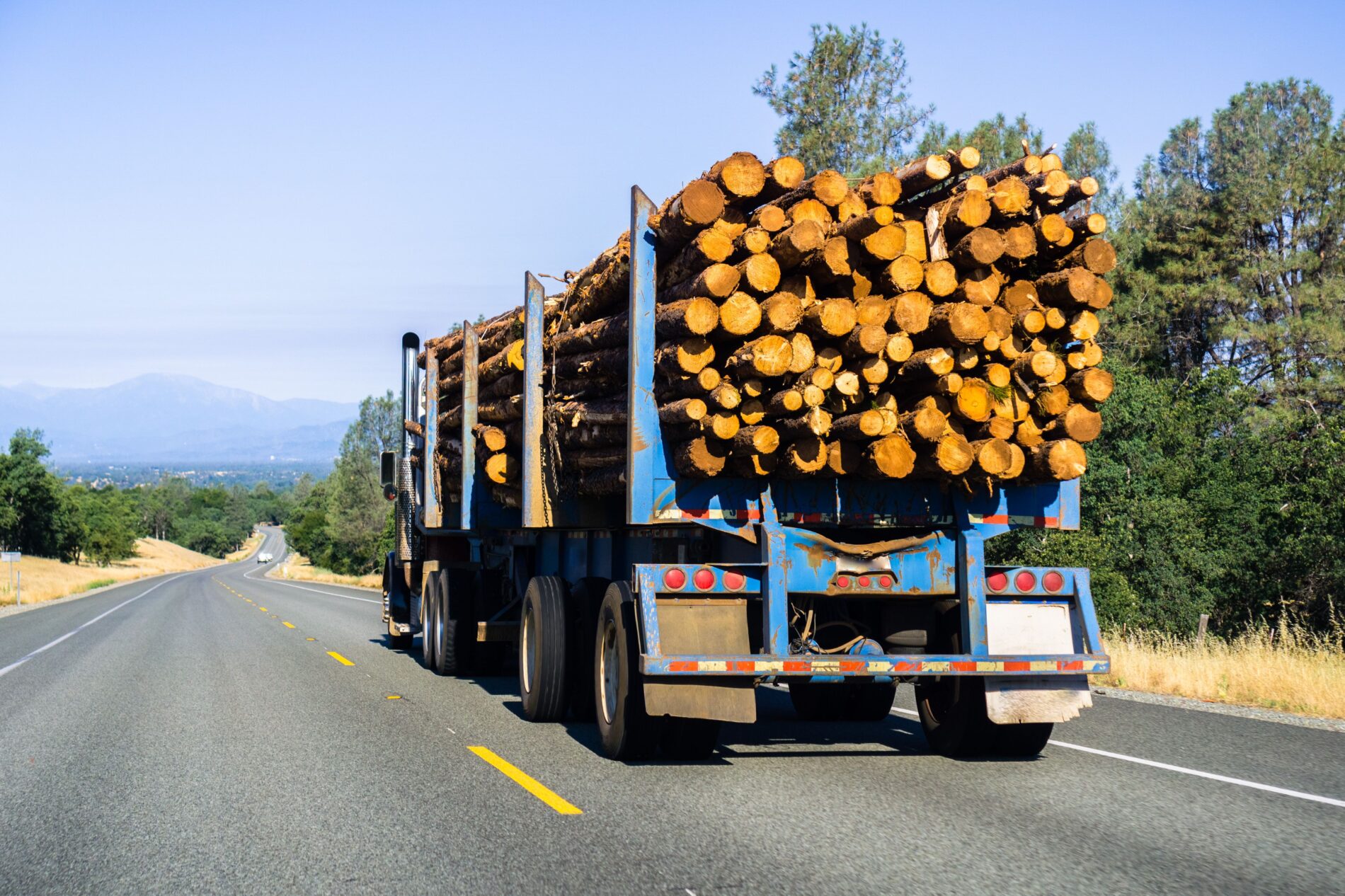
Image: Shutterstock
The EU Deforestation Regulation has an impact far beyond Europe’s borders
Criticism comes notably from the Intertribal Timber Council (ITC). President Cody Desautel is a member of the Confederated Tribes of the Colville Reservation in Washington State, while Vice President Phil Rigdon oversees natural resources for the Yakama Nation. Both represent actual indigenous forestry operations and have voiced their concerns in Brussels.
There are currently 575 federally recognized indigenous nations in the United States. However, the ITC does not claim that all of them are equally affected by the EUDR. The regulation primarily impacts communities that engage in commercial forestry and sell timber into major American supply chains. According to the U.S. Department of the Interior, indigenous forest lands total approximately 19.2 million acres—equivalent to about 7.8 million hectares.
Timber buyers pass EU requirements on to their suppliers
The economic impact arises at the very first point of sale for the timber. Many indigenous forestry operations sell logs to American sawmills rather than European companies. However, these processors turn the timber into sawn wood, wood-based panels, pulp, or paper for various markets. If they wish to keep the option of selling in the EU open, they need the required data on origin at the time of purchase. Consequently, according to the ITC, companies are now passing EUDR requirements on to their timber suppliers.
Representatives of indigenous forestry operations view this as the greatest economic risk. A buyer might favor suppliers who can provide all the required geospatial data without additional effort. Large, vertically integrated forestry companies often possess their own GIS and compliance systems for this purpose, whereas smaller indigenous forestry administrations do not necessarily have such capabilities. The ITC therefore warns of potential economic exclusion from existing supply chains. However, there is currently no reliable estimate regarding potential revenue losses.
Precise coordinates can expose sensitive forest areas.
Beyond the issue of costs, the matter involves data that is far more specific than the term “master data” implies. The EU Deforestation Regulation requires geographical traceability of production sites for the commodities in question. For timber, this means information regarding the specific plots of land where the trees grew. The ITC warns that such details could reveal the location of culturally significant areas—such as traditional gathering grounds, sites used for food sourcing, and landscapes that are sacred or otherwise sensitive.
For indigenous forestry operations, this information represents more than just an economic dataset. Forest areas often serve multiple simultaneous purposes: timber production, wildfire protection, and traditional use. Consequently, the ITC advocates for the acceptance of aggregated or existing official data rather than requiring exact logging coordinates. However, the EU maintains its fundamental insistence on traceability and geolocation. At the same time, the USA is classified as a low-deforestation-risk country, allowing for simplified due diligence requirements; nevertheless, the core information obligations remain in place.
The economic consequences may also extend well beyond the forestry operations themselves. According to the ITC, timber revenues fund administrative, educational, and police services, as well as social welfare programs, in some communities. Therefore, the loss of buyers or the incurrence of additional compliance costs impacts more than just timber sales. The EU Deforestation Regulation can thus affect even those indigenous forestry operations that do not supply a single log directly to Europe. The key requirements will apply to large and medium-sized market participants starting December 30, 2026.
Author: Blackout News
Sources: Rapporteur (14.09.26) – Decorative Hardwoods (01.10.26) – Sciencedirect (02.10.26)