
By late June 2026, the heat in Germany is intensifying the debate over air conditioning in schools, daycare centers, nursing homes, hospitals, and poorly cooled apartments. Policymakers and experts point to issues such as electricity consumption, waste heat, and poorly renovated buildings, leading them to view mechanical cooling only as a last resort. Yet this very objection seems contradictory, given that heat pumps and electric cars are considered key components of the energy transition despite the additional electricity demand they create. Elderly people, the sick, children, and residents of overheated homes are particularly at risk; consequently, the issue is no longer merely one of comfort, but of protecting health, maintaining education and care services, and upholding the credibility of political priorities.
Air conditioning is suddenly being viewed as a problem for the electricity grid
In Germany, air conditioning has long been viewed with moral reservations. Critics point to additional peak loads, overheated city centers, and poorly renovated buildings. While these objections are factually relevant, they do not explain the political intensity of the debate.
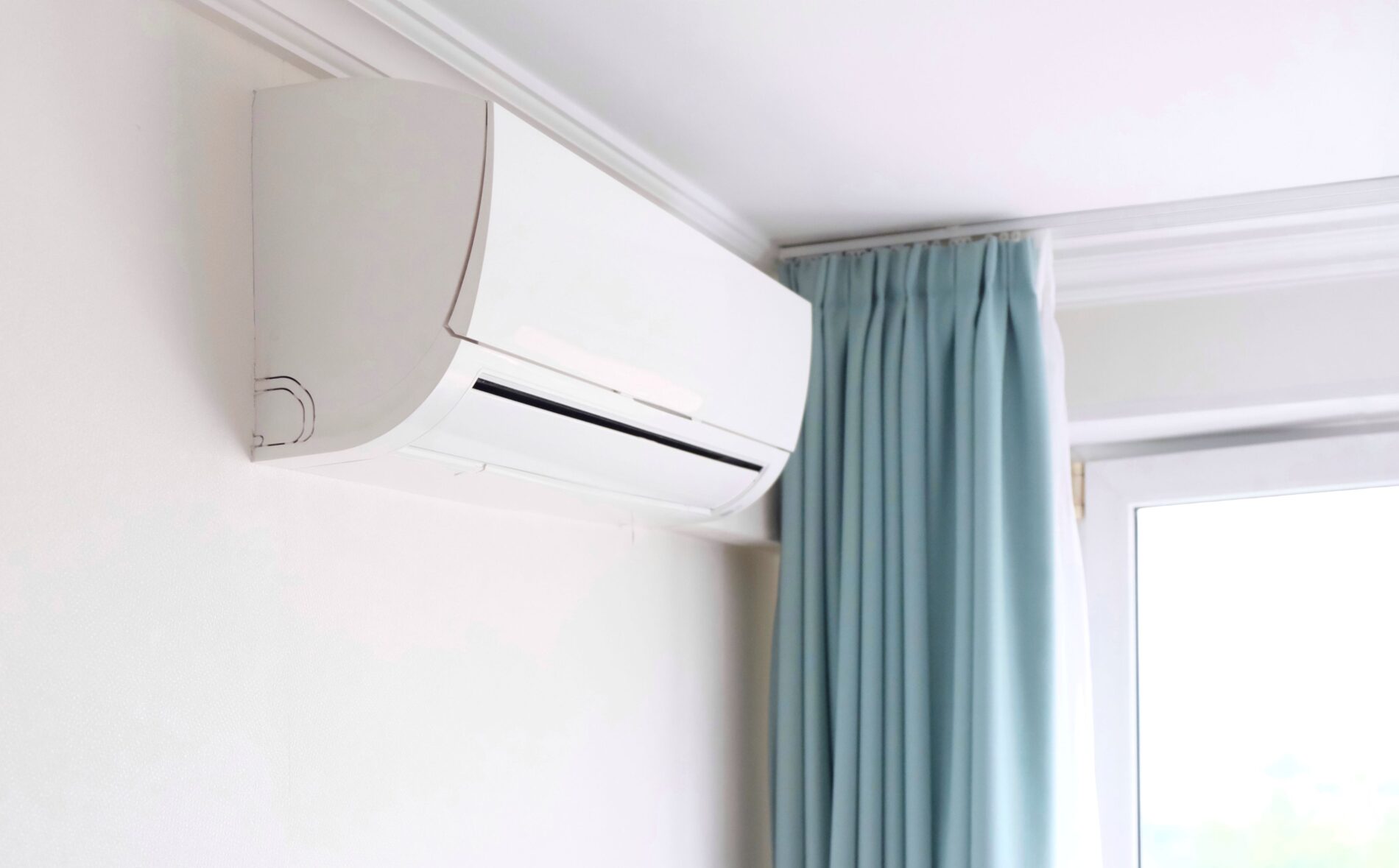
Image: Shutterstock
After all, the arguments surrounding heat pumps and electric cars follow a different logic. Both technologies also increase electricity demand, requiring the expansion of grids and power plant capacities. Yet, they are considered necessary progress, even though they introduce new loads into the power system.
When technical cooling is viewed through a political lens
The debate has since moved beyond energy technology. The newspaper Die Zeit summed it up with the phrase: “We must not leave air conditioning to the Right.” This means technical cooling is no longer judged solely on efficiency but is also assigned a political label.
This framing is dangerous because it attaches moral significance to a practical protective measure. Dismissing air conditioning out of hand as sending the wrong signal narrows the scope of the debate. Yet, the elderly, the sick, children, and residents of overheated apartments, in particular, need cool spaces.
Heat pumps undermine blanket criticism of electricity use
From a technical standpoint, air conditioning systems are more similar to heat pumps than many critics acknowledge. Both systems transfer heat from one location to another. Heat pumps provide heating in winter, while many units are also capable of cooling in summer.
Consequently, blanket criticism of electricity use holds little water. If electric heating and electric mobility are politically desired, electric cooling cannot automatically be viewed with suspicion. What matters is efficiency, control systems, the electricity mix, and the specific application.
Heat protection requires setting priorities, not moralizing
Germany does not need an uncontrolled wave of cooling units in every home. Millions of poorly regulated systems could drive up peak loads, while inefficient units generate additional waste heat. Therefore, the state must set priorities rather than simply demonizing air conditioning.
Hospitals, nursing homes, day-care centers, schools, and particularly hot apartments must be the first to receive protection. In these settings, temperature determines health outcomes, the quality of care, the ability to teach and learn, and the capacity to work. Heat protection is therefore a matter of infrastructure, not a culture war issue.
Author: Blackout News
Sources: SWR (27.06.26) – Die Zeit (27.06.26) – Umwelt Bundesamt (23.06.26) – Hamburg (Stand 27.06.26) – Watson (26.06.26)