
-
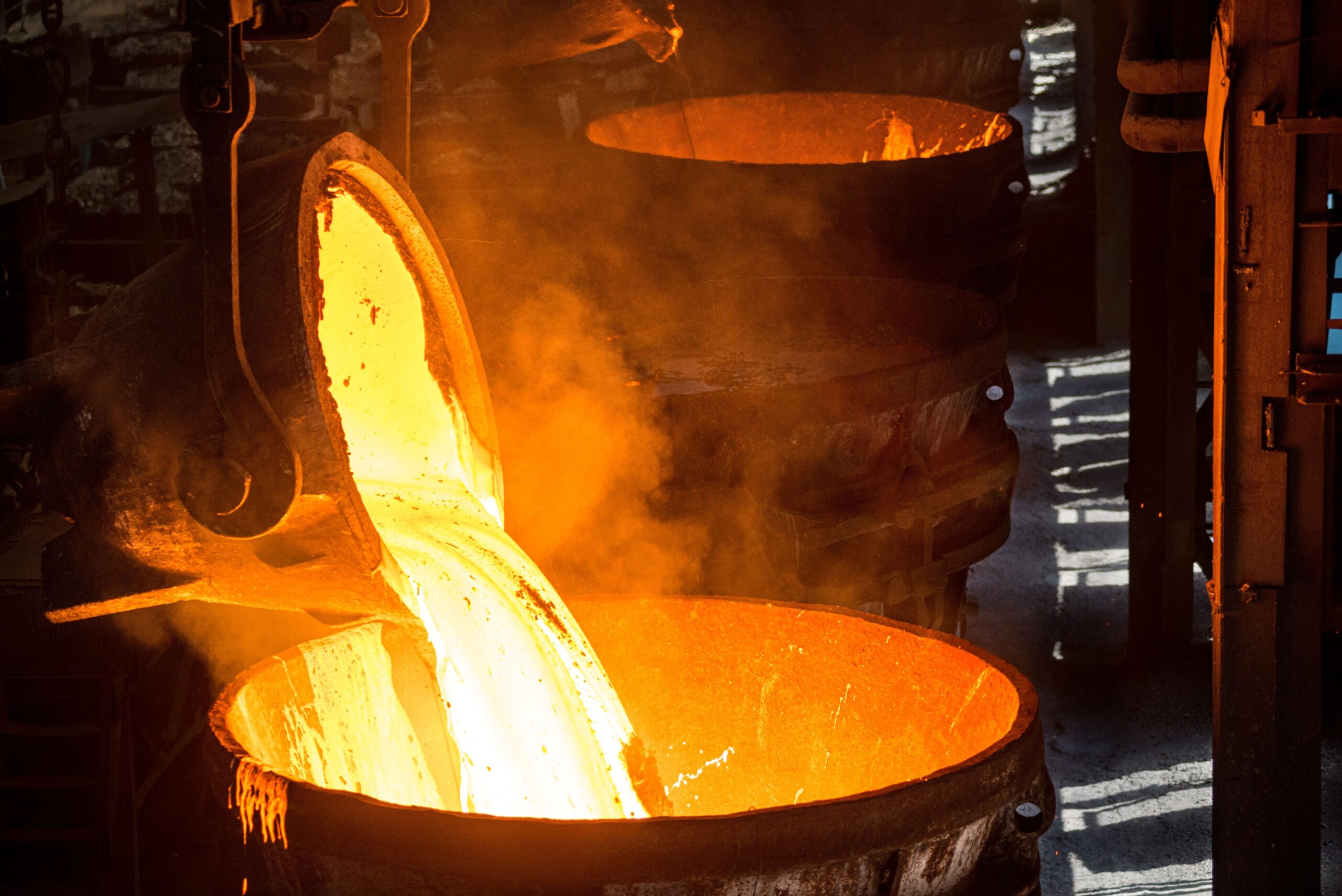
Coswig Roll Foundry closes after 134 years – high energy costs cost 170 jobs
The Walzengießerei Coswig (Roll Foundry Coswig) in Saxony will permanently cease production at the end of November 2026. This marks the end of the 134-year history of a long-established industrial company in the Meißen district. High energy costs, declining demand, and insufficient capacity utilization have steadily worsened the company’s economic situation over the years. Attempts…
-

Energy crisis – EU prepares new emergency measures against rising energy prices
The European Union is preparing further emergency measures in response to the ongoing energy crisis. At the EU summit in mid-October, the 27 member states intend to discuss additional interventions to address rising energy prices. These moves are prompted by the consequences of the war against Iran and significant disruptions to international oil and gas…
-

VW recall due to fire risk – 22,524 ID.4s restricted to 80% charging
Volkswagen has once again initiated a recall in the US due to a fire risk associated with the high-voltage battery. The recall affects 22,524 ID.4 electric vehicles from the 2023 to 2026 model years. The company had previously recalled more than 44,000 ID.4 vehicles in the US due to potential battery fires. In the current…
-

High energy prices: Inflation in September at highest level since late 2023
High energy prices drove inflation to its highest level since late 2023 in September. The inflation rate stood at 3.3 percent compared to the same month last year, the Federal Statistical Office announced on Tuesday, confirming its initial estimate. “The inflation rate reached a new annual high of over three percent in September. This was…
-

Nuclear energy disadvantaged – ETH professor criticizes massive subsidies for wind power
Swiss energy policy supports the expansion of wind power with substantial state subsidies, whereas new nuclear power plants remain banned. ETH professor Annalisa Manera criticizes this unequal treatment of nuclear energy and questions standard cost comparisons. Her criticism takes on new significance in October 2026, as Switzerland once again debates the construction of nuclear power…
Blackout News on Social Media
-

Radio network fails during disaster response exercise involving 1,000 emergency personnel
During the largest disaster response exercise in the Grafschaft Bentheim district on October 10, 2026, a fundamental prerequisite for successful rescue operations failed intermittently. While approximately 1,000 emergency personnel were simulating a hazardous materials incident, a forest fire, and severe flooding, the radio network collapsed for a time. Consequently, fire departments, emergency medical services, and…
-

State apparatus grows, economy shrinks – Germany’s upswing is built on debt
A commentary by our author Klaus Bastian: The federal government projects economic growth of 1.3 percent for 2026. However, this heralded upturn relies to a significant extent on government spending and additional debt. At the same time, the number of employed persons is shrinking, while the state apparatus demands ever more personnel and funding. In…
-
Power grids blocked – thousands of projects that will never be built are applying for grid connections
Germany’s electricity grids are increasingly reaching their limits due to an unprecedented flood of applications for new energy facilities. In 2025 alone, 18,158 applications for grid connections for battery storage systems were submitted nationwide, with a combined requested capacity of 573.5 gigawatts. Many of these projects are unlikely to materialize, as developers often register multiple…
-

Despite sanctions: Russia has supplied €286 billion worth of oil and gas to the EU since 2022
Despite the sanctions imposed on Russia, the country reports having sold crude oil and natural gas worth more than $320 billion to EU nations since 2022. “For the period from 2022 to the present, this figure amounts to $320.7 billion (approximately €286 billion),” Russian Deputy Prime Minister Alexander Novak, who is responsible for energy, said…
-

City of Markdorf halts wind power plans at Gehrenberg – decision postponed to 2027
The town of Markdorf, located in the Lake Constance district, is suspending its plans for wind turbines on the Gehrenberg for the time being. Mayor Georg Riedmann informed the town council of the halt in planning on October 6, 2026. The decision stems from ongoing uncertainty regarding how to proceed with the controversial project. Consequently,…
-

Green electricity provider Grüüün halts power supply – 200,000 customers affected
Grüüün, a green electricity provider based in Upper Franconia, is ending nationwide electricity supply to its approximately 200,000 customers effective October 31, 2026. The company announced this withdrawal unexpectedly on October 8. The Münch-Energie Group cites planned changes to energy policy by the federal government as the reason. Customers with long-term electricity contracts and price…
-

Germany’s energy transition endangers Europe’s independence – China benefits from this go-it-alone approach
A commentary by our author Klaus Bastian: Germany’s distinctive approach to energy policy is increasingly becoming a strategic problem for all of Europe. While Berlin pushes ahead with the expansion of renewable energy, technological and economic dependencies on China are growing. Following the previous reliance on Russian natural gas, this creates new risks for Europe’s…
-

Baden-Württemberg halts reactivation of 11 railway lines – millions in funding missing
Stuttgart – Baden-Württemberg is putting the planned reactivation of eleven decommissioned railway lines on hold for the time being. Transport Minister Nicole Razavi (CDU) cited significant funding gaps in local passenger rail transport as the reason for the decision. According to the Ministry of Transport, the state faces an annual shortfall of several hundred million…
-
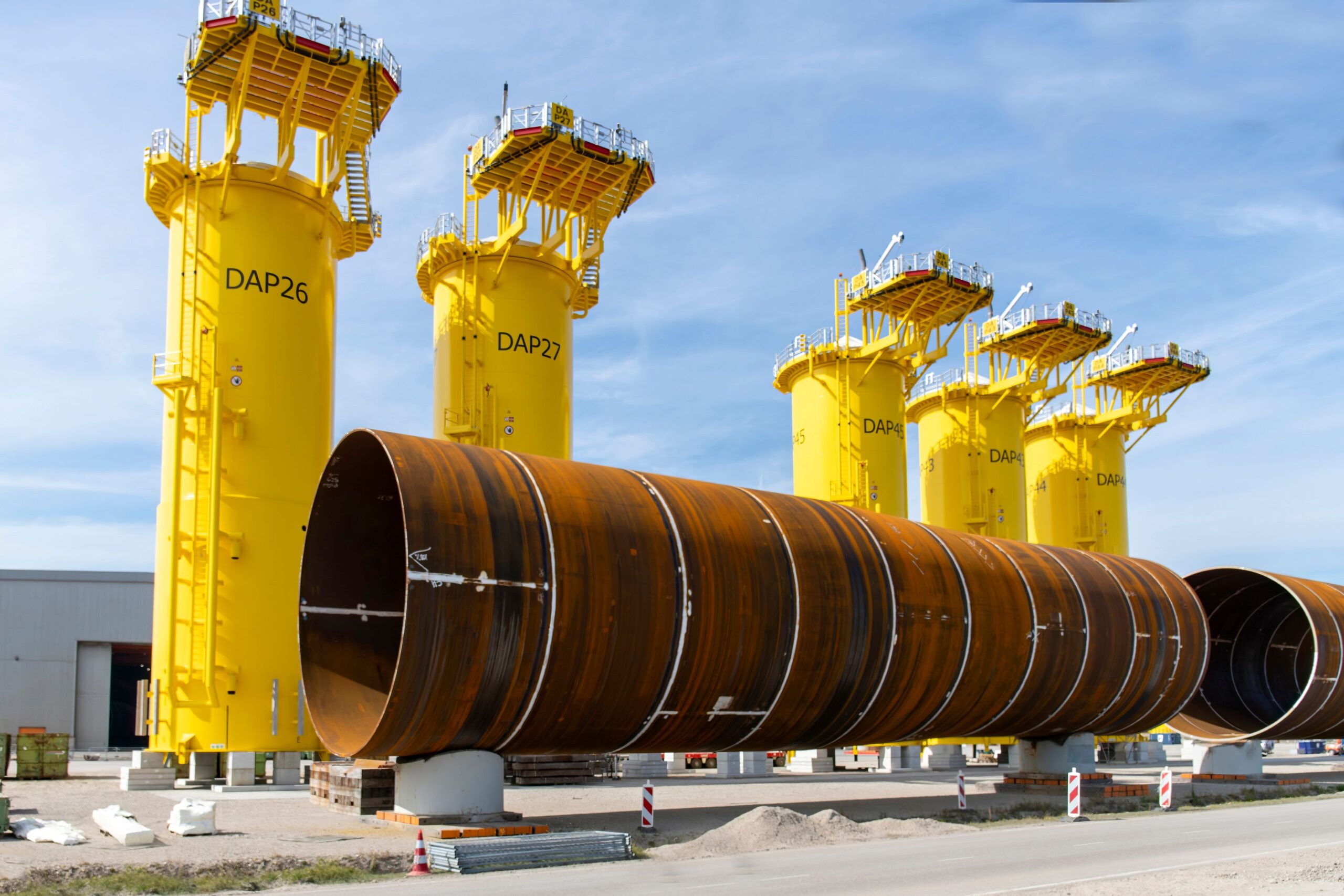
EEW cuts more than 100 jobs in Rostock – offshore slump hits supplier
The offshore supplier EEW plans to cut more than 100 permanent jobs by the end of the year. At the same time, the use of temporary agency workers is to be almost entirely phased out. These measures are driven by a lack of new offshore orders, competition from China, and expected underutilization of capacity through…
-

Vitol CEO Russell Hardy: “We have exhausted available oil stocks.”
The head of Vitol, the world’s largest independent oil trader, has warned that available oil stocks in the West have been exhausted. “There are no further inventories left in the West that we can draw down. We have used up the available stocks,” Russell Hardy said at the Energy Intelligence Forum in London. This situation…