
-
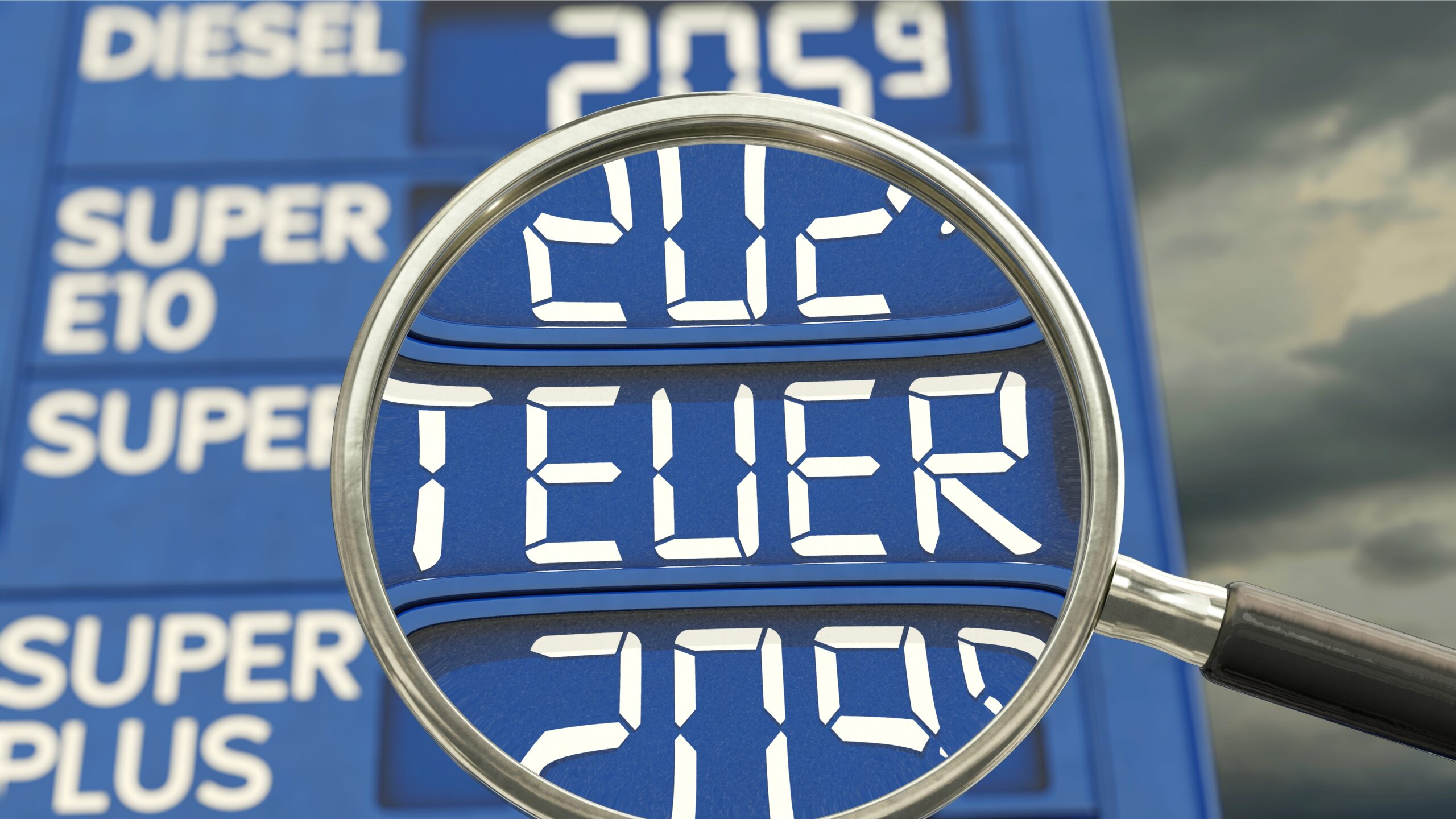
ADAC criticizes: Fuel discounts are still not being fully passed on to customers
The ADAC (German Automobile Club) believes that the so-called fuel discount will not be fully passed on to customers. Compared to last Thursday, fuel prices were recently around eleven cents lower, but the reduced energy tax, which came into effect on Friday, should result in a reduction of 16.7 cents per liter, the automobile club
-
Germany pays foreign countries up to 88 cents per kWh for solar power purchased from them
At the end of April 2026, Germany temporarily paid substantial sums to attract foreign countries to purchase surplus solar power and other electricity. The market price plummeted to a negative price of minus 48 cents per kilowatt-hour. Simultaneously, operators of older solar power plants received feed-in tariffs of up to 40 cents. This resulted in
-
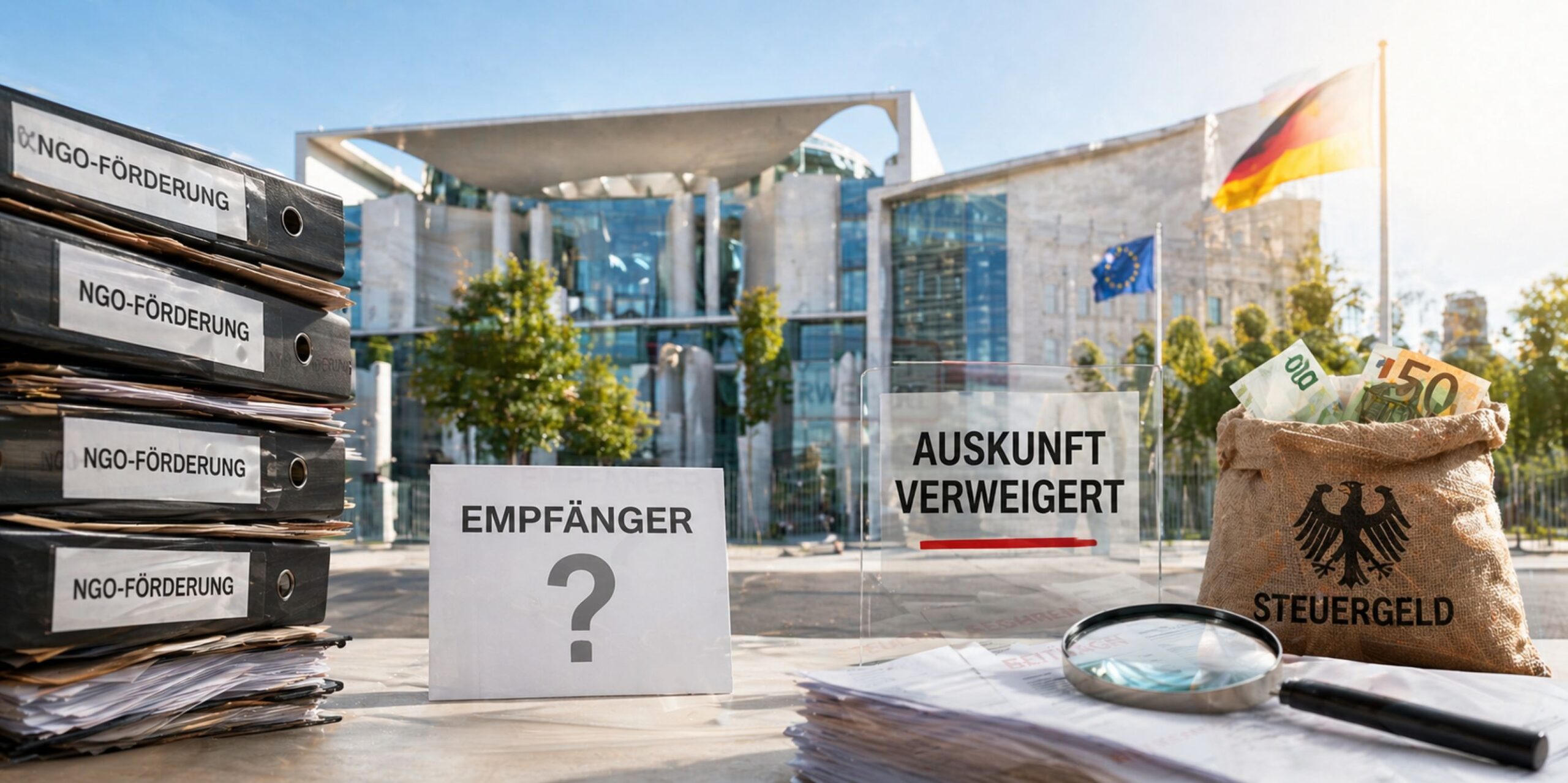
Government refuses to provide information – recipients of state funding for NGOs remain secret
In 2026, the German government plans to again distribute large sums of money to non-governmental organizations (NGOs). However, it remains difficult to ascertain which recipients will receive the funds. In response to a parliamentary inquiry, the government did not provide a complete overview, citing instead the high administrative costs. Meanwhile, citizens are paying ever-increasing taxes,
-

Interlübke insolvent: Iran war hits German furniture manufacturer with full force
The furniture manufacturer Interlübke from Rheda-Wiedenbrück filed for insolvency at the end of April 2026 after the Iran-Iraq War significantly increased costs. The Bielefeld District Court appointed attorney Dr. Yorck Tilman Streitbörger as the provisional insolvency administrator. The situation became particularly precarious because the factory still uses oil heating and, at the same time, freight
-
Industrial electricity price set – fundamental problem of high electricity prices remains unresolved
Following EU approval on April 16, 2026, the German government is introducing an industrial electricity price for the years 2026 to 2028 because high energy prices put energy-intensive companies at a disadvantage in international competition. The government is providing €3.8 billion for this purpose, while eligible companies will have to pay at least €50 per
-
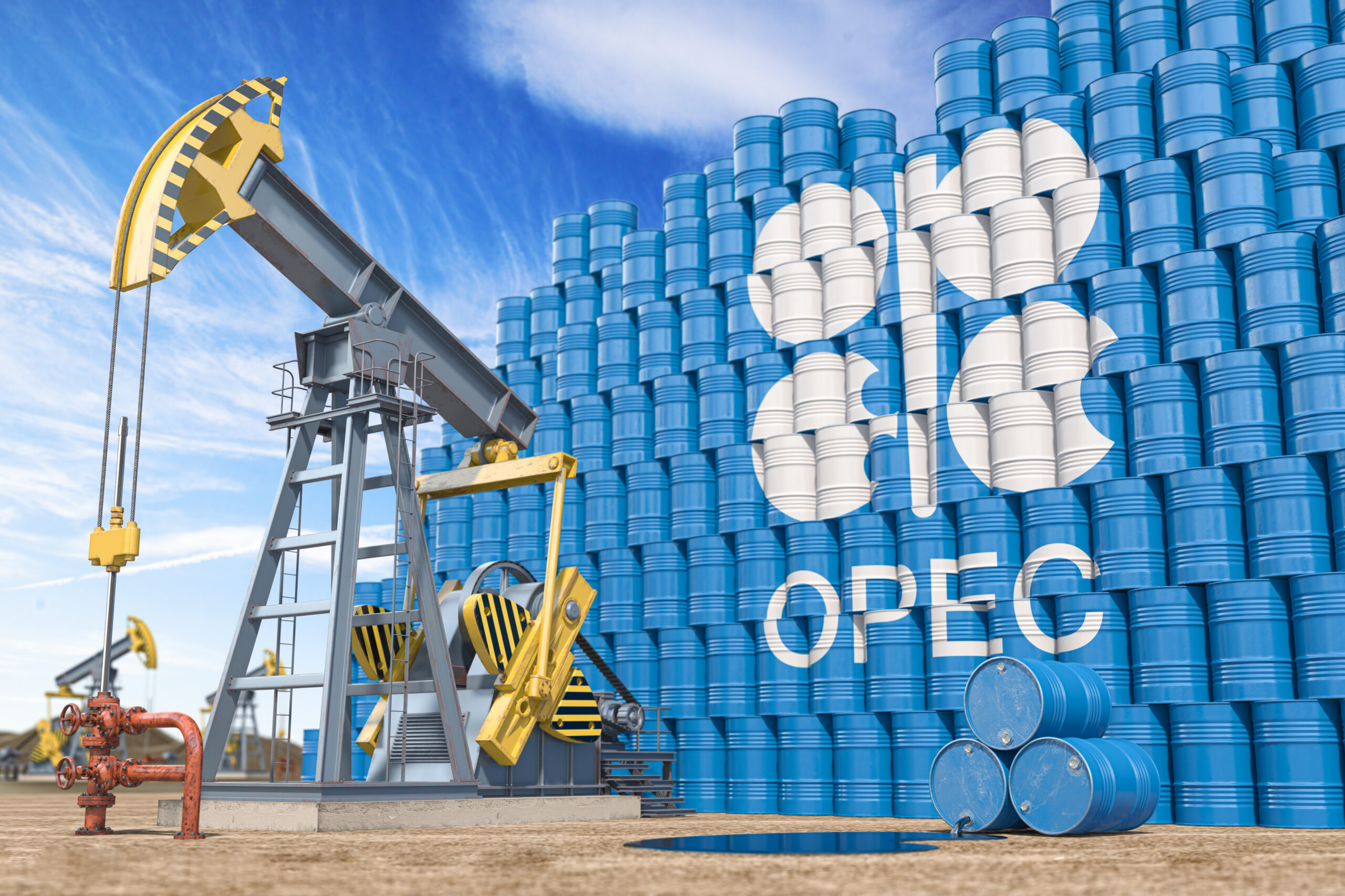
OPEC+ countries increase their oil production quota after the surprise withdrawal of the Emirates
Following the United Arab Emirates’ surprise withdrawal from OPEC+, seven leading member countries have increased their oil production quotas. Saudi Arabia, Russia, and five other major oil-producing nations in the Organization of the Petroleum Exporting Countries and its Partners (OPEC+) will produce an additional 188,000 barrels per day in June, the organization announced on its
-
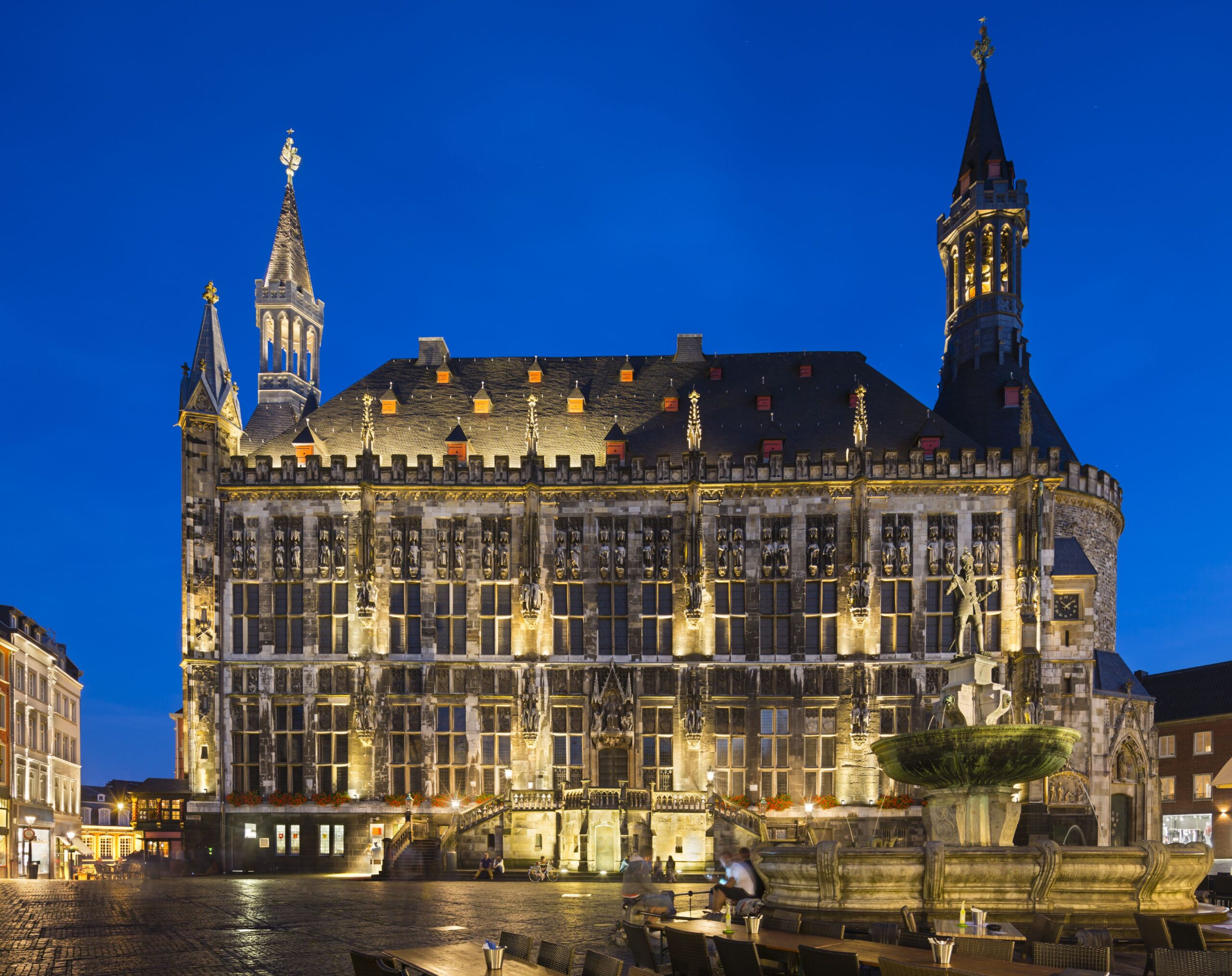
Aachen imposes budget freeze – city halts spending due to growing financial shortfall
A spending freeze has been in effect in Aachen since April 2026. The city administration is taking this drastic measure because the budget deficit is growing rapidly. The reasons for this are rising social welfare costs, higher operating expenses, and weaker revenues. At the same time, there is no reliable financial outlook for the coming
-
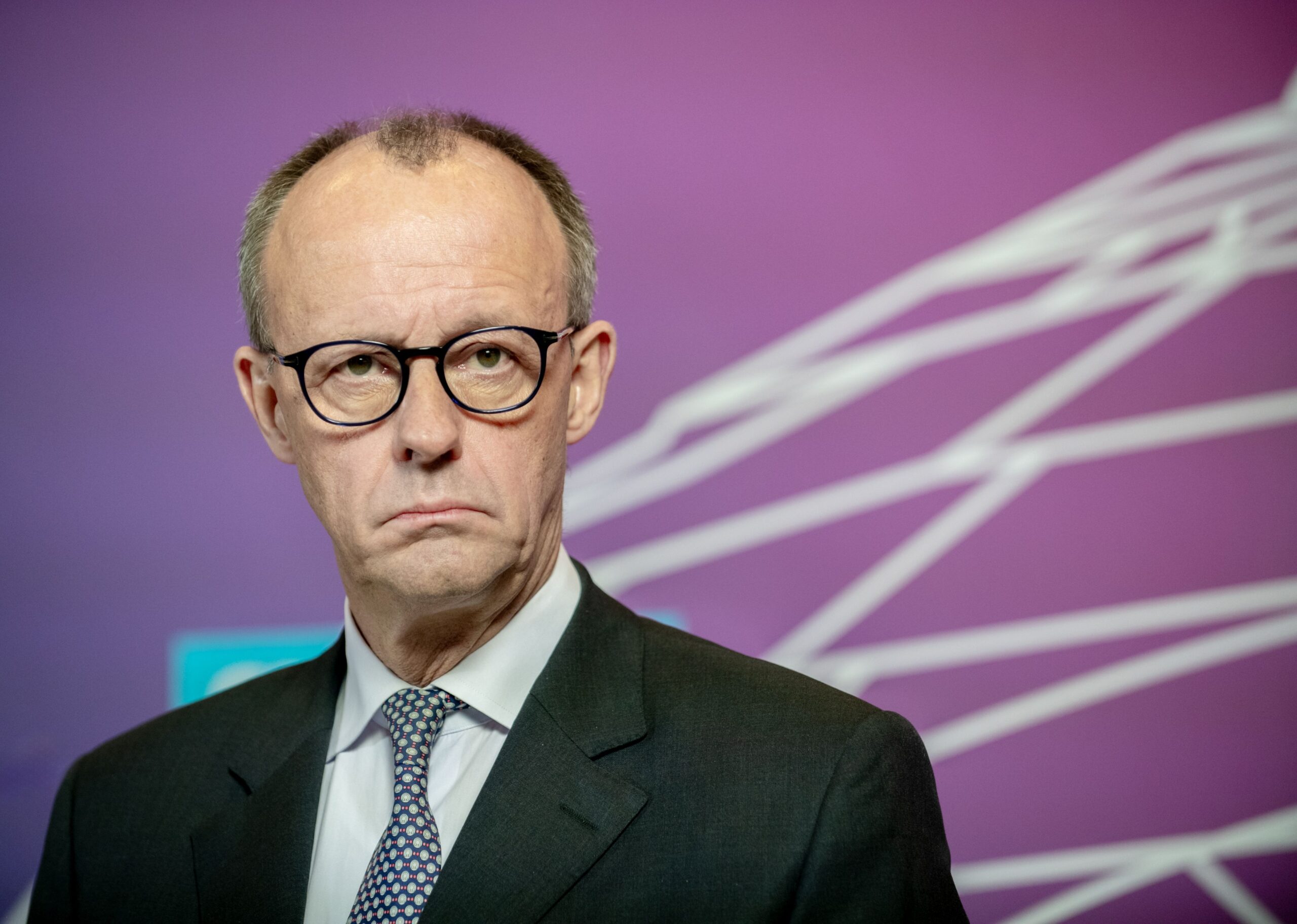
Merz complains about hostility – disappointment over broken promises escalates
In Berlin, criticism of Chancellor Friedrich Merz is intensifying after he complained of public hostility. The conflict stems not only from personal attacks, but also from broken campaign promises that motivated many voters to cast their ballots. Particularly troubling is Merz’s barely visible response to this disappointment. As a result, many voters feel politically powerless.
-
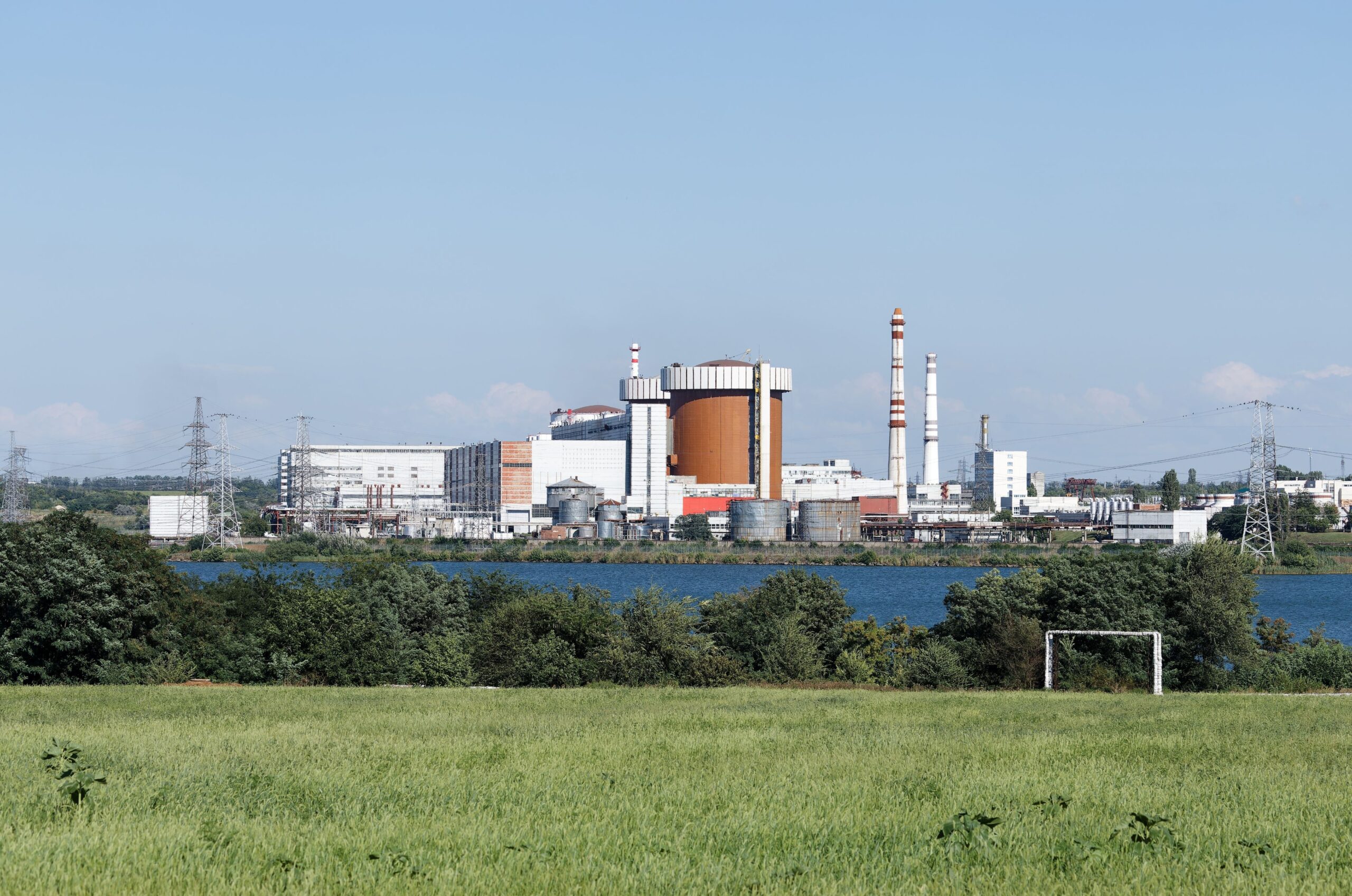
Despite the war, Ukraine is pushing ahead with nuclear expansion – electricity production is expected to double
Ukraine plans a massive expansion of its nuclear power capacity in 2026, while the war with Russia continues to threaten the electricity supply. The government in Kyiv aims to significantly increase electricity production from nuclear power. This expansion is driven by destroyed power plants, high import costs, and grid congestion. At the same time, the
-
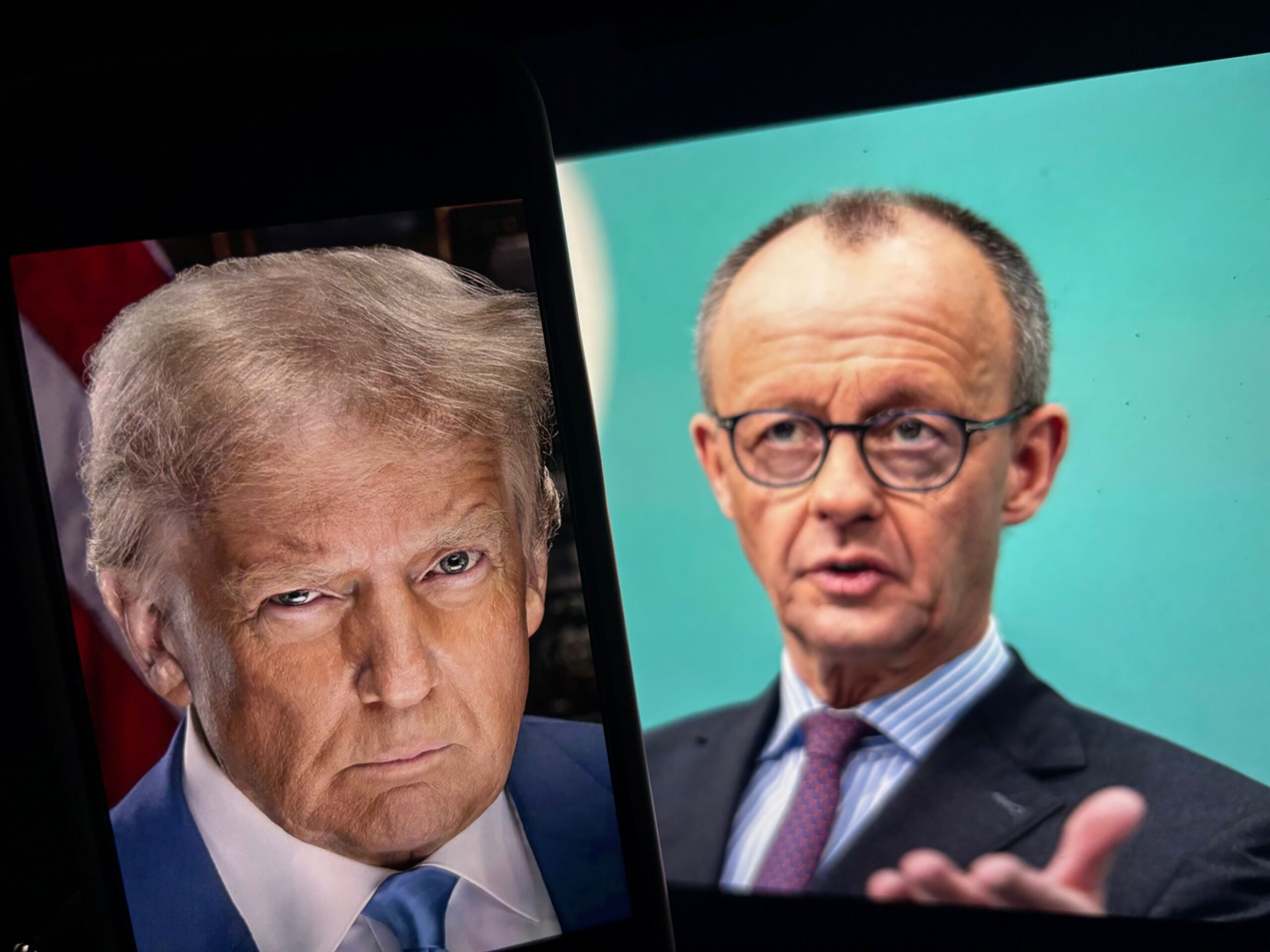
Donald Trump attacks Merz: “He should fix his broken country”
In Washington, Donald Trump launched a scathing attack on German Chancellor Friedrich Merz, declaring that he “should fix his broken country.” This was triggered by Merz’s public criticism of the US approach to the Iran nuclear deal and of Trump himself. With this move, Merz has brought a highly sensitive conflict into the public arena,
-
Trump announces higher tariffs on cars from the EU – Germany particularly affected
Experts say that the additional import tariffs on cars and trucks from the EU announced by US President Donald Trump will hit Germany particularly hard. The planned increase to 25 percent can be interpreted as “the beginning of an economic war against Germany,” declared automotive expert Ferdinand Dudenhöffer on Saturday. The German Association of the
-

Price wars in the retail sector are driving dairy farms to the brink of ruin
In Baden-Württemberg, the economic situation for many dairy farms will worsen at the end of April 2026. The state farmers’ association sees the farms in a precarious position. Diesel, fertilizer, and other operating costs have risen significantly, while retailers are lowering the price they pay for milk. The war in Iran is exacerbating these cost
-
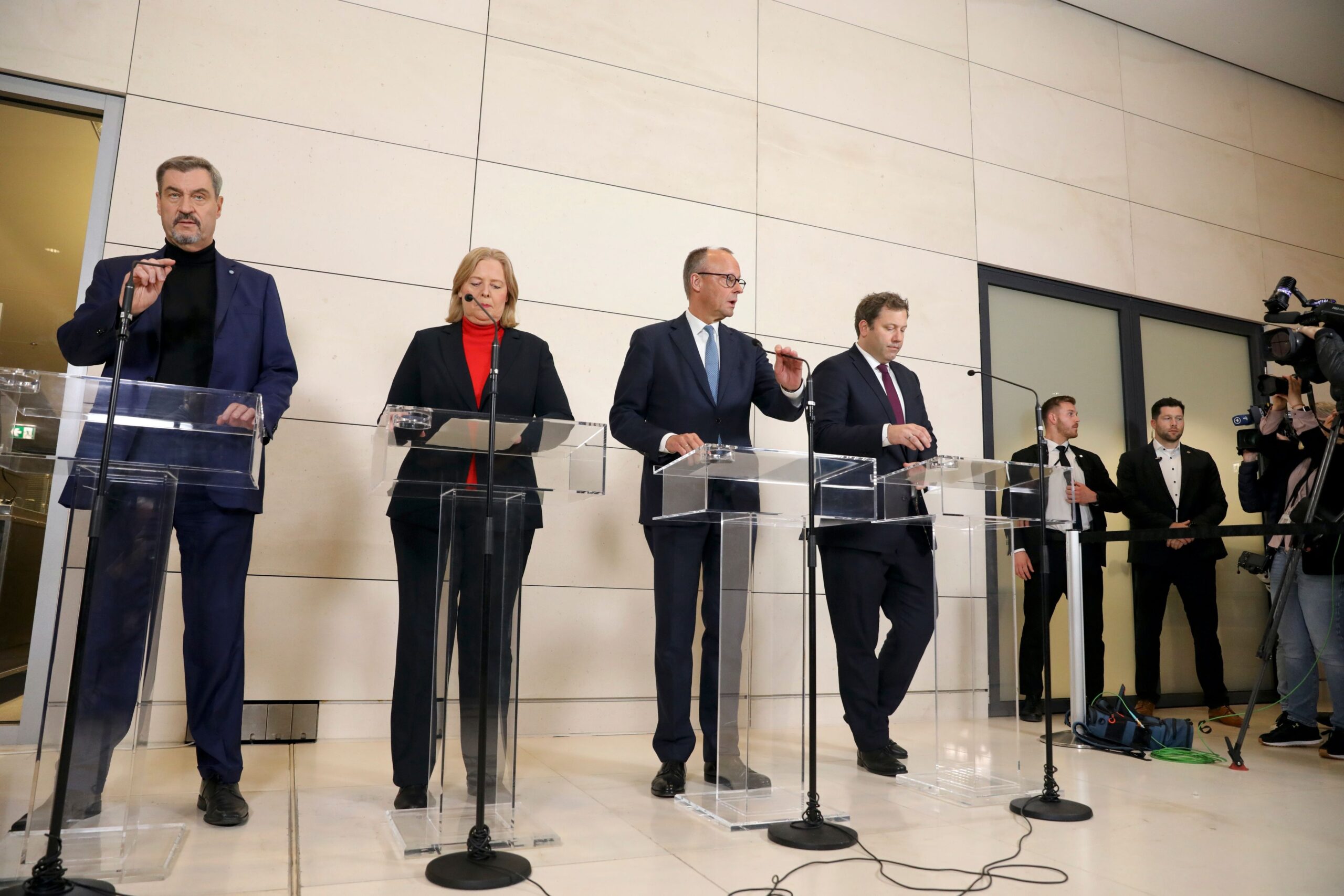
Power struggle in the government – the oath of office obviously counts for less than maintaining one’s own power
In Berlin, the power struggle within the federal government is intensifying, while key decisions remain stalled and partisan interests dictate the course of action. The triggers are deep conflicts over the budget, the economy, and energy policy; however, the decisive risk factor lies in a government that politically prioritizes its own hold on power over
-
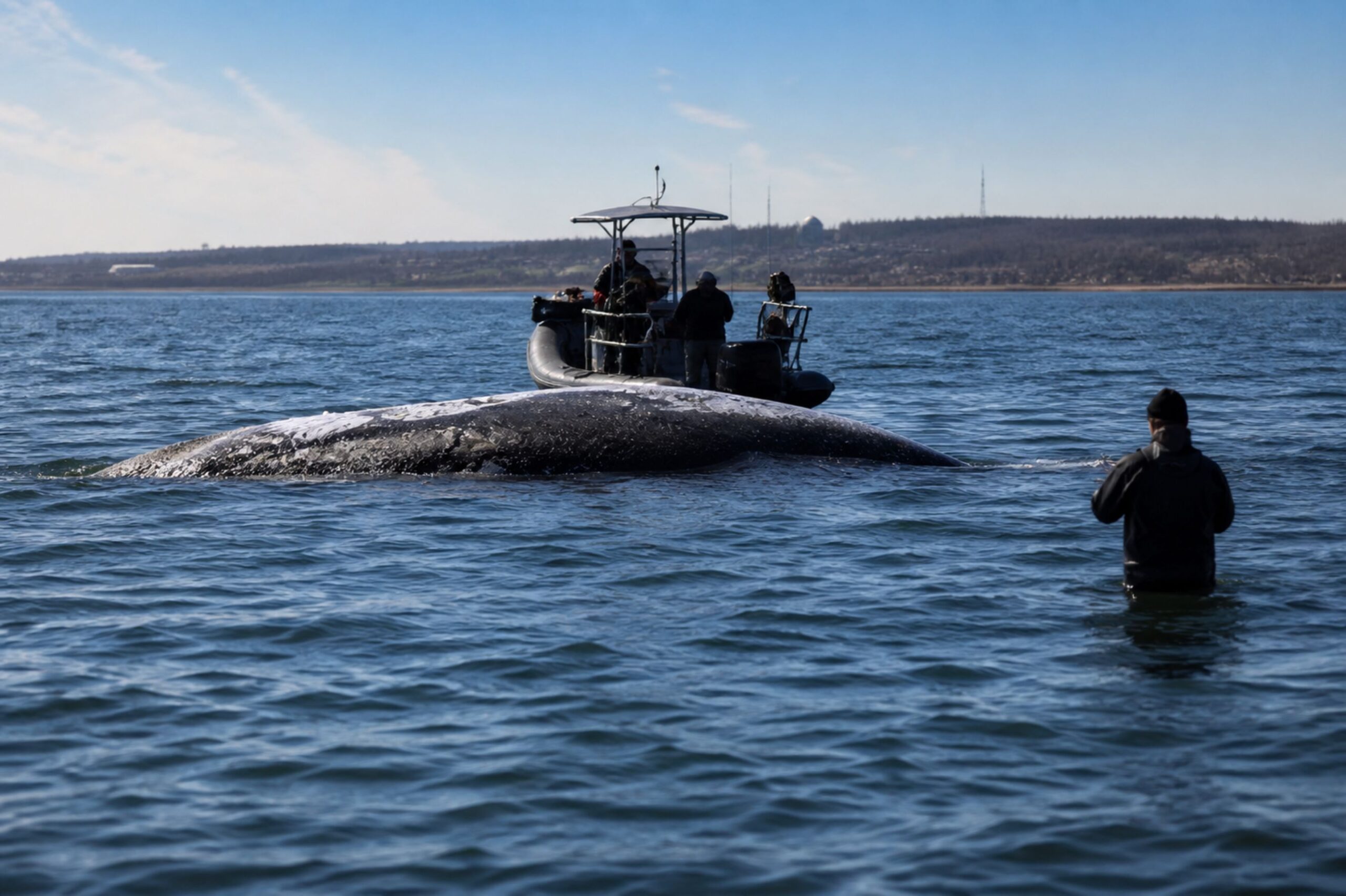
Whale Timmy in the spotlight of public broadcasting – explosive government crisis overshadowed by an animal story
Since the beginning of March 2026, the reporting on the Baltic whale Timmy has dominated many news formats. A single sighting has become an emotionally charged, ongoing story featuring strandings, rescue images, and constant follow-up. At the same time, political conflicts surrounding Chancellor Friedrich Merz, the CDU, the SPD, healthcare costs, new taxes, and the
-
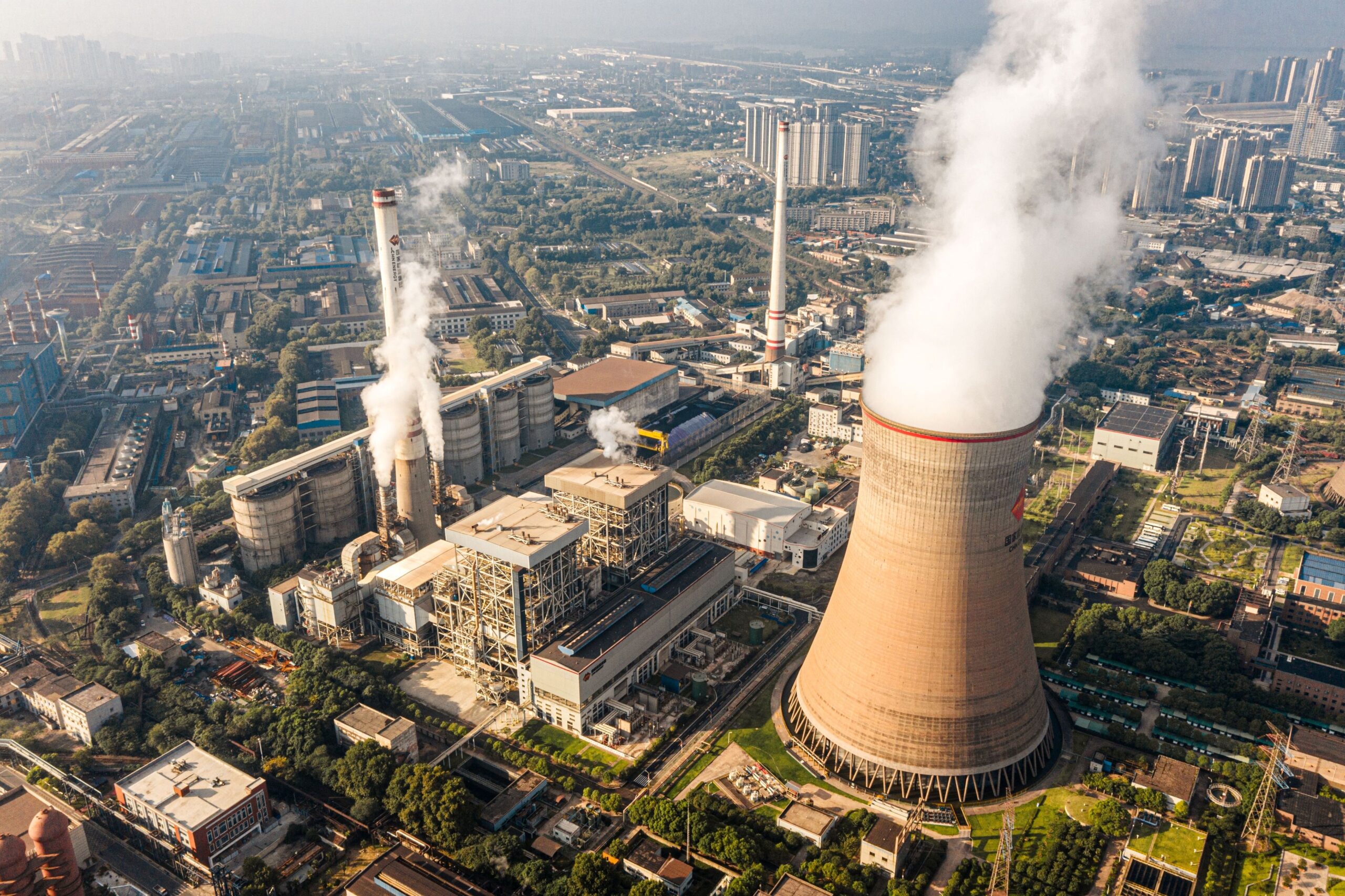
China’s nuclear power offensive: Construction of 50 reactors simultaneously possible
China’s nuclear power offensive is reaching a new dimension. The China Nuclear Energy Association announced on April 21, 2026, that the country has the capacity to build up to 50 reactors simultaneously. Beijing is thus massively accelerating the expansion of its nuclear power capacity. The goal is to reduce CO₂ emissions and decrease dependence on