A commentary by our author Klaus Bastian:
On October 15, 2026, Slovakia connected the fourth reactor unit of the Mochovce nuclear power plant to the electricity grid for the first time. The facility, which has a capacity of 471 megawatts, is expected to generate approximately 3.5 terawatt-hours of electricity annually. While Slovakia is thus expanding its reliable power generation, Germany is taking the opposite path. On October 7, the Isar 2 plant in Bavaria received final authorization for complete decommissioning. This means the loss of a nuclear power plant with a net capacity of 1,410 megawatts—at a time when Germany is in need of additional dispatchable power generation capacity. Germany’s unique, divergent approach has far-reaching consequences for security of supply, investment costs, and the preservation of expertise in nuclear technology.
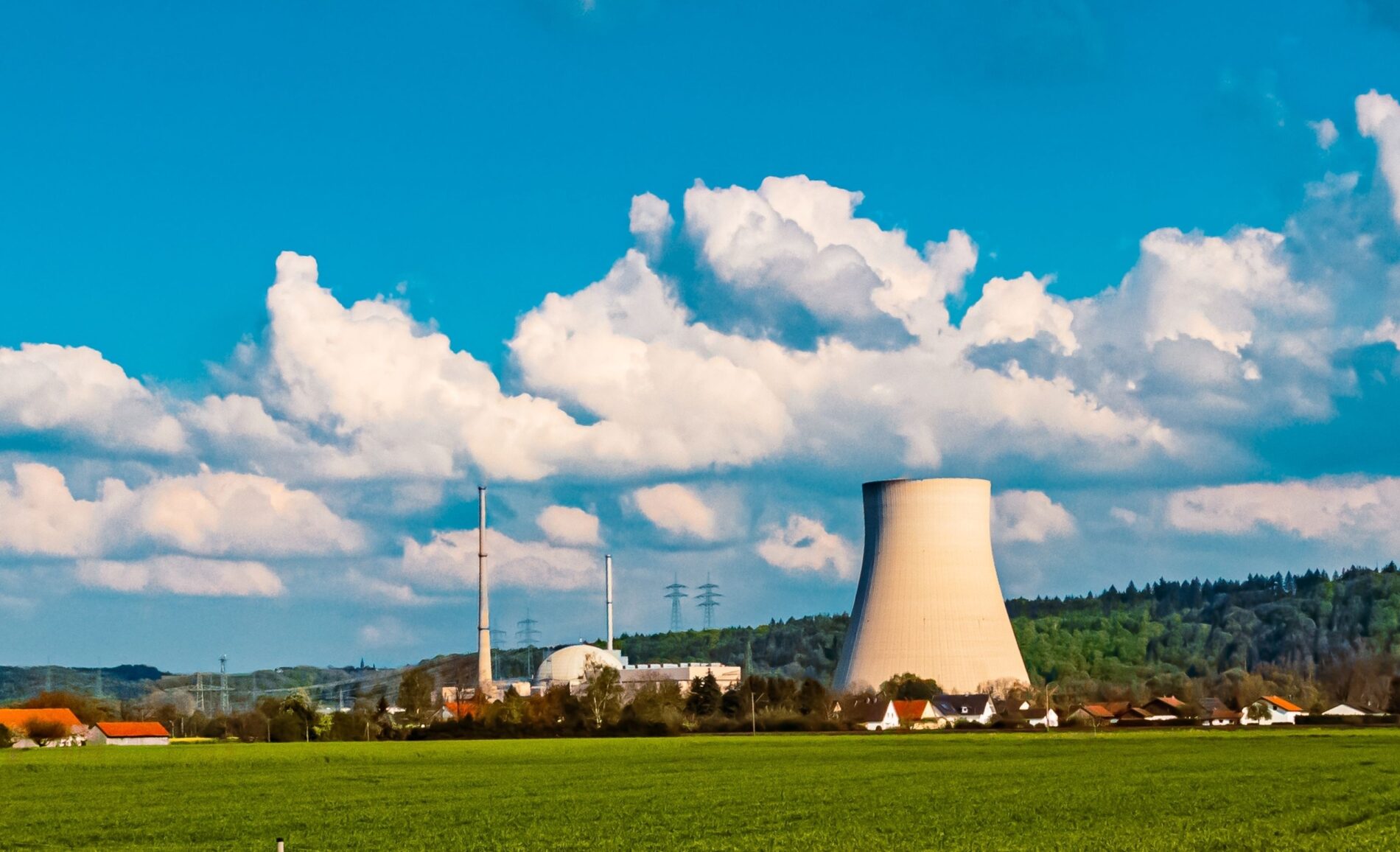
Image: Shutterstock
Slovakia Strengthens Power Supply with Additional Nuclear Energy
With the addition of Mochovce 4, Slovakia has expanded its power generation capacity with another source of electricity that is independent of weather conditions. On October 15 at 8:41 p.m., the operator synchronized the first turbogenerator with the national power grid. At that stage, the reactor was operating at 20 percent of its capacity. Full commercial operation is yet to begin but is expected to commence once further testing is complete. At that point, Slovakia’s nuclear power plants could theoretically cover more than three-quarters of the country’s electricity demand.
However, the project’s completion was marked by significant delays. Construction of the facility began as early as 1985, but the project was interrupted several times due to financing issues and political changes. Nevertheless, Slovakia remained committed to the investment. The first two units have been in operation since 1998, and the third unit began service in 2023. The fourth reactor is intended to further secure the long-term supply of consistently available electricity.
Germany dismantles Isar 2 despite growing demand for power generation capacity
In Germany, energy policy follows a different set of priorities. Until its shutdown in April 2023, Isar 2 reliably generated large quantities of electricity. Over the course of its operational life, the reactor supplied more than 335 terawatt-hours of electrical energy. At full capacity, the plant could generate approximately 33 gigawatt-hours per day. This capacity is no longer available to the German power grid, even though replacing such firm generation capacity requires significant investment.
A second decommissioning permit now allows for the dismantling of the reactor pressure vessel and its surrounding protective structure. This process involves the use of specialized, remote-controlled machinery, as parts of the facility are radioactively contaminated. The dismantling is scheduled to be completed by 2040, after which the 165-meter-tall cooling tower is slated for demolition. With each subsequent step in the dismantling process, the technical feasibility of a potential future restart diminishes.
Technical comparison highlights differences in reactor safety
The design differences between the two nuclear power plants are particularly noteworthy. Mochovce utilizes Soviet-designed VVER-440/213 reactors, which are based on technology developed decades ago. These units lack the type of Western-style containment structure found in German “Konvoi” reactors. Furthermore, their original design specifications regarding protection against aircraft impacts differ significantly. Consequently, additional technical safety measures were required before the Slovak nuclear regulatory authority granted approval for operation.
Isar 2, by contrast, featured a robust containment structure and extensive technical safety systems. The German “Konvoi” reactor was also designed to withstand a wide range of external events. However, these design differences alone do not necessarily translate into a quantifiable disparity in accident risk. Retrofits, operational status, and plant-specific safety analyses are also critical factors. Regardless, a direct comparison highlights the differences in the technical configurations of the nuclear facilities that will continue to operate in Europe versus those that Germany has permanently decommissioned.
Germany’s unique path does not alter the nuclear energy policies of its neighbors
Germany shut down its final three nuclear power plants on April 15, 2023. Since then, there has been no commercial electricity generation from nuclear energy within the country. Its European neighbors, however, are in some cases pursuing the opposite strategy. France continues to rely on its extensive fleet of reactors, while the Czech Republic is planning to add further nuclear capacity. Slovakia, too, is expanding its electricity supply—which is already heavily reliant on nuclear power.
This creates a divergence in energy policy with practical consequences. While Germany has opted out of nuclear energy, it remains part of the integrated European electricity market. Consequently, electricity generated by nuclear power plants abroad can still reach German consumers. At the same time, cross-border nuclear risks persist, irrespective of Germany’s phase-out. Although decommissioning domestic plants reduces risks at those specific sites, it does not bring an end to the use of nuclear energy in Central Europe.
New gas-fired power plants are intended to provide the necessary firm capacity
The economic consequences of Germany’s unique policy path are becoming apparent in the ongoing planning for power generation capacity. According to the Federal Network Agency (Bundesnetzagentur), Germany will require up to 22.4 gigawatts of additional dispatchable capacity by 2035 under the target scenario. Should the energy transition be delayed, this figure could rise to as much as 35.5 gigawatts. This represents the total modeled requirement for new capacity—not merely a replacement for the nuclear power plants that have been taken offline. Nevertheless, the loss of existing firm capacity increases the demand for alternative generation technologies.
New gas-fired power plants, in particular, are expected to secure the electricity supply during periods when wind and solar generation are low. However, these facilities require fuel, the price of which is determined by international markets and supply contracts. Furthermore, investors must finance power plants that may only be operated for a relatively small number of hours. This necessitates appropriate economic incentives and, potentially, state-organized remuneration mechanisms. Consequently, the costs associated with ensuring security of supply do not disappear with the decommissioning of nuclear power plants; rather, they shift to other components of the energy system.
Germany is losing not only power plants but also technological capabilities
The dismantling of Germany’s final nuclear power plants is also altering the industrial landscape. The closure of these facilities entails the loss of jobs in reactor operations, as well as long-term employment opportunities for highly specialized personnel. Companies are losing contracts related to maintenance, fuel technology, and ongoing plant operations. While German firms remain active in areas such as decommissioning, waste management, and nuclear research, maintaining practical expertise in the operation of large-scale power reactors is becoming increasingly difficult.
This trend stands in contrast to nations that continue to develop their nuclear industries. In those countries, new operational and construction projects are creating long-term prospects, whereas Germany’s focus remains primarily on decommissioning and waste disposal. A potential return to commercial nuclear energy in the future would therefore require substantial investment and the rebuilding of technical expertise. The ongoing decommissioning process further limits the available options. Consequently, energy policy decisions made today will shape the technical possibilities for decades to come.
Germany’s unique path requires a comprehensive economic assessment
The commissioning of Mochovce 4 and the decommissioning of Isar 2 illustrate two distinct strategies for securing electricity supply. Slovakia is bringing additional nuclear capacity online, while Germany is permanently removing existing reactors. At the same time, the decades-long construction history of the Mochovce plant highlights the economic risks associated with large-scale nuclear projects. New builds demand high initial capital, reliable financing, and long planning horizons. These costs—along with those for decommissioning, waste management, and final disposal—must be included in any comparison.
Therefore, evaluating Germany’s chosen path requires looking beyond the isolated costs of nuclear power plants or the low generation costs of renewable energy. The decisive factor is the total cost of ensuring a reliable electricity supply at all times. This encompasses power plants, fuels, storage systems, grid expansion, and the necessary reserve capacities. A robust assessment should also examine what costs could have been avoided through the continued, time-limited operation of existing nuclear power plants. However, with the final decommissioning of Isar 2, this alternative is increasingly becoming a purely theoretical consideration.
Author: Klaus Bastian – Blackout News
Sources: EP Group (16.10.26) – Slovenské elektrárne (15.10.26) – BR24 (07.10.26)