
The municipal utility company Stadtwerke SH faces potential losses in the millions in Schleswig-Holstein due to defective heat pumps. At the Reetdorf holiday complex in Nieby, heating systems installed from 2018 onwards have been failing for years. The operator is now seeking damages, estimating rental losses to date at over 300,000 euros. In addition, the cost of replacing the units could amount to approximately 1.5 million euros. Furthermore, according to as-yet unconfirmed reports, more than 400 other installations may also be affected. The suspected cause involves unsuitable hoses that allow oxygen to enter the heating circuits. While a judicial evidentiary proceeding is underway to determine liability, the municipal utility has already set aside financial reserves.
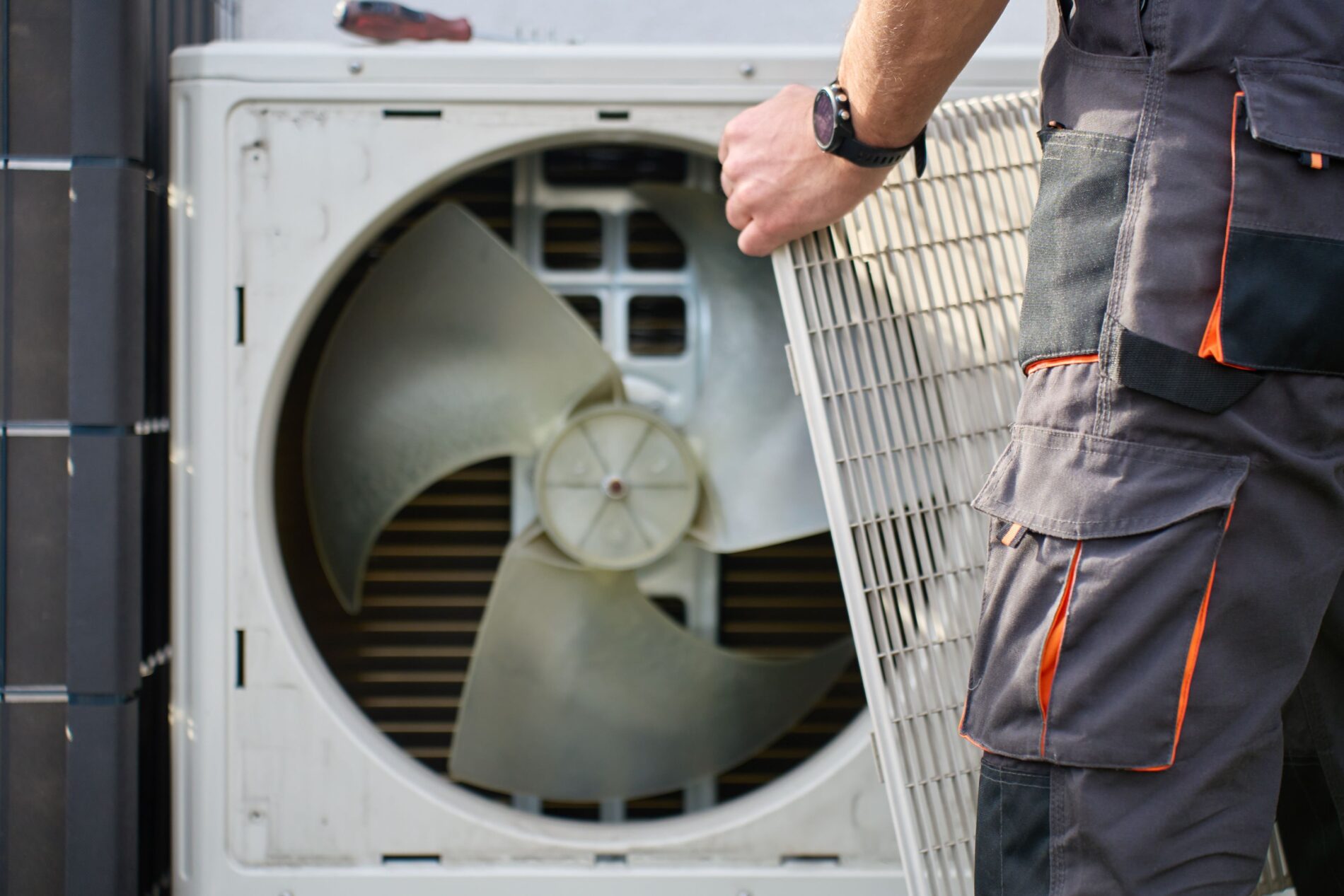
Representative image: Shutterstock
Replacing heat pumps could cost more than 1.5 million euros
The damage is particularly severe at the thatched-roof holiday village on Gelting Bay. Operator Norbert Essing had a total of 49 heating systems installed there; however, technical problems arose shortly after they were put into operation. So far, Essing has replaced eight units at his own expense, while the local municipal utility company (Stadtwerke) handled the replacement of two others. Nevertheless, the operator expects that all of the originally installed units will eventually need to be replaced.
Essing estimates the replacement cost for 47 of the units at approximately 33,000 euros each, bringing the total to an estimated 1.55 million euros. (Note: The figure of 47 units still awaiting replacement does not align perfectly with the ten replacements already carried out.) In addition, Essing states that he has incurred more than 300,000 euros in lost rental income, as he was forced to temporarily withdraw several holiday homes from the rental market due to these issues. Consequently, he is seeking damages and has initiated legal action.
Incorrect hoses may have caused significant corrosion damage
An expert commissioned by the operator suspects that unsuitable hoses are the cause of the defects. It is believed that the material used allowed oxygen to enter the heating water, which can cause metallic components to corrode and fail prematurely. While this technical explanation is plausible, it has not yet been confirmed by a court. The municipal utility company (Stadtwerke) acknowledges that there are issues with the quality of the heating water, but maintains that the question of responsibility has not yet been definitively settled.
The technical implications can be understood by referring to the VDI 2035 guideline, which specifically addresses the prevention of corrosion in hot-water heating systems. The continuous ingress of oxygen is particularly critical; even high-quality technical systems can suffer significant damage due to the use of unsuitable materials or faulty installation. Consequently, the responsibility does not necessarily lie with the heat pump manufacturer—planning firms and installation companies could also be at fault.
Municipal utility has already set aside reserves for potential damages
The financial consequences could extend well beyond the thatched-roof village. According to information from the SHZ, more than 400 other heat pumps could be experiencing similar issues. The municipal utility has not confirmed this figure, but has instead announced an assessment of the condition of all installed systems. Essing therefore considers it possible that the total damage could reach the tens of millions of euros. However, there is no independent confirmation of this estimate.
The municipal utility states that it already set aside reserves in 2024 to cover potential damages, though the exact amount has not been made public. A municipal resolution proposal indicates an annual surplus of approximately 7.07 million euros for 2024 for Schleswiger Stadtwerke GmbH; however, this entity is not the same as Stadtwerke SH GmbH & Co. KG. Therefore, the annual net profit does not allow for any direct conclusion regarding a company’s financial resilience. Should a loss amounting to millions actually occur, the specific allocation of liability and any potential claims for reimbursement would be the decisive factors.
Geothermal energy, pellet heating, and solar power form the supply concept
The holiday complex utilizes a sophisticated heating system that draws on multiple energy sources. Pipes laid in the ground capture ambient geothermal heat and transport it to the individual units, where heat pumps generate the necessary heating and hot water. Pellet-fired heating systems serve as a supplementary heat source, while a photovoltaic array provides electricity for operations. The system is also capable of cooling the buildings during the summer months.
The technical issues therefore strike at the very heart of the supply concept. For the operator, this entails not only repair costs but also economic losses due to the inability to rent out the units. A particularly critical aspect is the unresolved question of who is responsible for the defective systems. The municipal utility company (Stadtwerke) points to a judicial evidentiary proceeding that has been ongoing for more than two years; they rejected a proposed settlement, citing the fact that the matter remains unresolved. While the operator, Essing, complains of inadequate support, the utility company maintains that there has been regular communication. As of October 21, 2026, no final expert report or court ruling had been made public.
Multi-million euro dispute could affect other clients
For the municipal utility company, Stadtwerke SH, determining the technical root cause is of significant economic importance. If systematic installation errors are confirmed, further claims for damages could follow. The crucial questions remain whether other systems are also damaged and who bears the liability. Potential claims against manufacturers or the specialized contractors originally commissioned must also be considered. The case highlights the financial consequences of substandard heating installations. Until the evidentiary proceeding yields a definitive conclusion, both the question of liability and the total extent of the damages remain open.
Author: Blackout News
Sources: Mopo (16.08.26)