
A commentary by our author Klaus Bastian:
In early October 2026, Europe’s energy dependence is manifesting in a new form. While the EU has drastically reduced Russian gas supplies since 2021, the US now supplies nearly 60 percent of its LNG. The current dispute over diesel highlights this new vulnerability. Washington demanded that Germany and France release strategic reserves and threatened export restrictions. The G7 subsequently agreed to release 100 million barrels of oil and diesel. Nevertheless, Europe remains heavily reliant on imports, global transport routes, and the political decisions of major supplier nations.
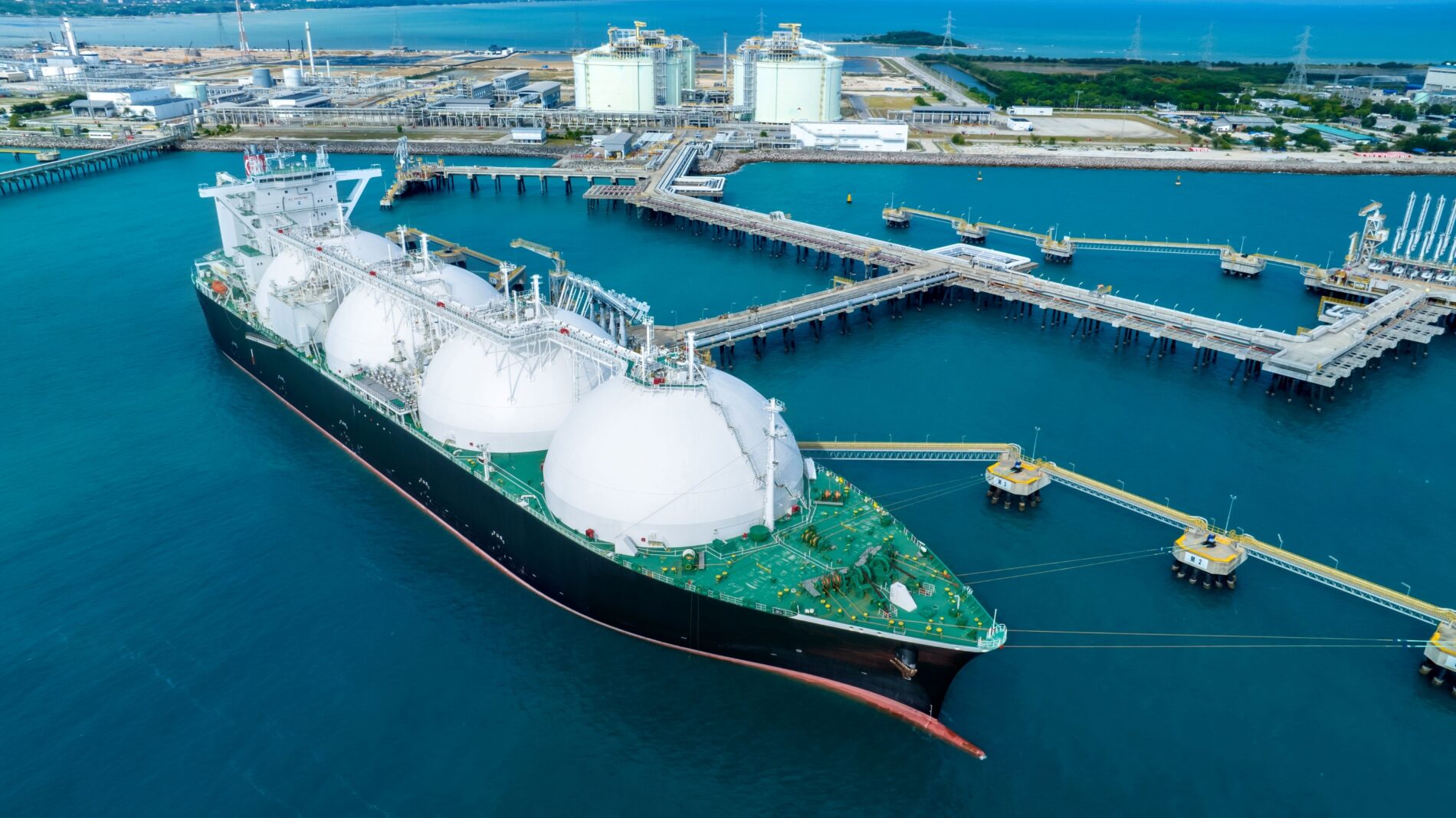
Image: Shutterstock
US Dominates LNG Market – Norway Remains Largest Gas Supplier
In 2021, around 45 percent of EU gas imports still originated in Russia. By 2025, this share had fallen to approximately 12.5 percent. At the same time, the share of LNG in gas imports rose from 20 to 45 percent. The US supplied nearly 58 percent of this LNG in 2025. In the first quarter of 2026, its share remained at 57.4 percent. However, Norway remained the EU’s largest overall gas supplier, accounting for around 31 percent.
This has fundamentally altered the supply structure. Pipeline gas has become less significant, while LNG transported by ship has gained importance. This expands the pool of potential suppliers but also ties Europe more closely to the global market. Consequently, the TTF gas price soared to extreme levels during the crisis year of 2022, averaging around 130 euros per megawatt-hour over the first eleven months. Although the annual average dropped back to 36 euros in 2025, global crises continue to have a rapid impact on the European gas market.
Diesel Dispute Reveals New Political Vulnerability
This new situation became particularly apparent regarding diesel in late September and early October 2026. According to Reuters, the US government requested that Europe release up to 120 million barrels over a six-month period. This volume represented more than 40 percent of the EU’s emergency stockpiles of diesel and gas oil. Germany and France together hold around 35 percent of these reserves; consequently, any restriction on American diesel exports would have placed additional strain on Europe’s supply.
The G7 subsequently partially defused the conflict, agreeing to the release of 100 million barrels of diesel and crude oil over four months. At the same time, the nations pledged not to introduce export restrictions on energy products. Nevertheless, the episode illustrates how Europe’s energy dependence can expand the political leverage of other states, given that the US has become central not only to LNG supplies but also to parts of Europe’s fuel supply.
Europe’s Energy Dependence Persists Despite Move Away from Russia
The broader energy balance also remains heavily reliant on imports. According to Eurostat, the EU met approximately 57 percent of its energy needs through net imports in 2024, with oil and petroleum products accounting for 67 percent of those energy imports. Furthermore, the EU plans to source US energy products with an expected value of $750 billion by 2028. However, this figure does not represent a government-guaranteed purchase; actual transactions depend on the commercial decisions of private companies.
Consequently, the continued phasing out of Russian gas increases the need for alternative supply sources. Deliveries under long-term Russian LNG contracts will be prohibited starting January 1, 2027. A ban on pipeline gas is also set to take effect, in principle, at the end of September 2027. At the same time, the EU anticipates an additional 50 billion cubic meters of LNG becoming available globally in 2026. Nevertheless, Europe’s energy dependence remains costly. Since the start of the war involving Iran, the EU has paid more than €100 billion in additional costs for energy imports without receiving a corresponding increase in oil or gas supplies. Furthermore, 25 member states allocated around €17.9 billion for relief measures. While dependence on Moscow has decreased as a result, risks regarding prices and supplies are shifting to global markets, shipping routes, and new major suppliers.
Author: Klaus Bastian – Blackout News
Sources: Reuters (02.10.26) – AP News (29.09.26) – NeoStrategy (04.10.26) – European Council (02.10.26) – EuroNews (02.10.26)