
The head of Vitol, the world’s largest independent oil trader, has warned that available oil stocks in the West have been exhausted. “There are no further inventories left in the West that we can draw down. We have used up the available stocks,” Russell Hardy said at the Energy Intelligence Forum in London. This situation stems from massive withdrawals from storage facilities since the start of the conflict involving Iran, as well as ongoing supply disruptions in the Middle East and Russia. At the same time, supplies of diesel and other oil products remain tight. Consequently, any further supply disruptions are hitting a market that, in Hardy’s assessment, has virtually no freely available reserves left to serve as an additional buffer.
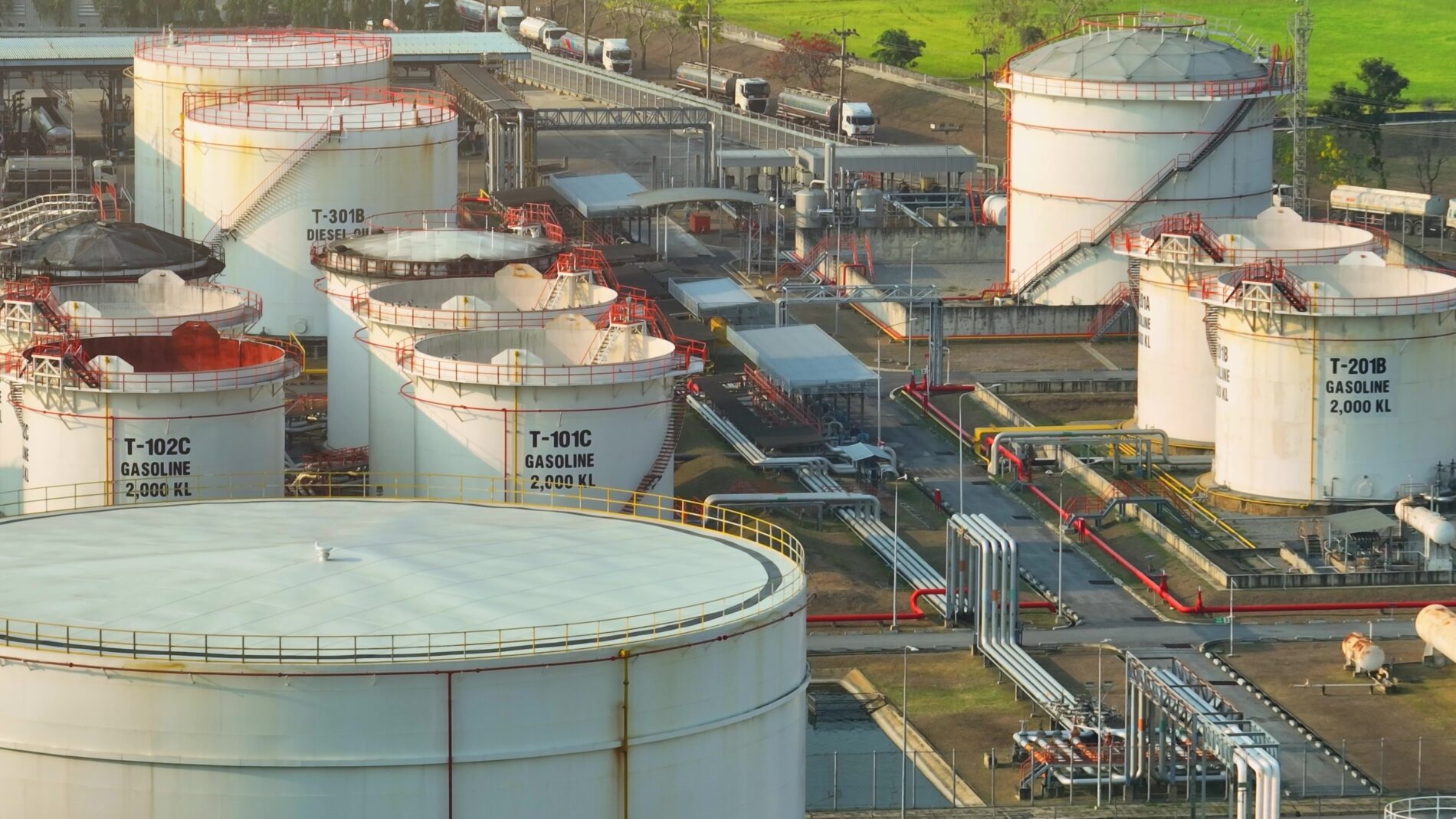
Image: Shutterstock
Oil stocks in the West can barely absorb further supply disruptions
Hardy is specifically referring here to available oil stocks. Official statistics still show significant quantities of crude oil and oil products. However, a large portion of this cannot be brought to market on short notice. Refineries, pipelines, and terminals require operational inventories, while government emergency reserves are subject to political release decisions. Consequently, the buffer that can actually be mobilized is far smaller than gross inventory figures suggest.
Vitol has a particularly direct view of the physical oil market. The company is one of the world’s largest traders of crude oil and fuels. According to Hardy, the market continues to require enormous volumes from the Middle East to keep supply and demand in balance throughout the winter. Recently, approximately twelve million barrels of crude oil and two million barrels of oil products have been leaving the region daily. In his assessment, the absence of these volumes could even drive the price of oil to $200 per barrel.
Global oil stocks have fallen by 507 million barrels since February
Data from the International Energy Agency (IEA) also indicate a massive reduction in inventories. Since February, global monitored stockpiles have shrunk by approximately 507 million barrels. In August alone, another 95 million barrels were drawn down. On average, this means around 2.8 million barrels have left storage facilities daily since the war began. Consequently, the IEA describes the remaining buffers as increasingly limited.
At the same time, IEA member states have already mobilized more than 300 million barrels from their emergency reserves. Saudi Aramco CEO Amin Nasser estimates global commercial inventories at just under six billion barrels. However, at most ten percent of this volume is considered practically available in the short term; factors such as location, oil quality, and transport routes further restrict access. Therefore, nominal inventory figures can significantly overestimate the market’s actual reserve capacity.
G7 must release strategic oil reserves again
The G7 is now responding with another release from government emergency stockpiles. A total of 100 million barrels of crude oil and diesel are to be made available. However, the scope and exact composition were not initially fully clarified; the IEA is expected to make a decision on this in mid-October. It therefore remains unclear how quickly additional supplies will actually reach refineries and consumers.
Nevertheless, Europe has not yet reported an acute supply gap. In early October, the EU Commission stated that diesel supplies remained stable. At the same time, prices remain high due to the unusually tight global market. Furthermore, commercial inventories in the key Amsterdam-Rotterdam-Antwerp hub are below their five-year average. This lends additional weight to Hardy’s statement: while oil is still available, the freely available buffer for new crises has already been exhausted, according to the Vitol CEO.
Author: Blackout News
Sources: Reuters (06.10.26) – Finanzmarktwelt (06.10.26) – Rigzone (06.10.26) – The Business Times (06.10.26)