
The expansion of wind power in Bavaria is facing increasing criticism, as many turbines in the south can scarcely compete economically with sites in the north. By the end of March, only five out of 44 Bavarian projects had been awarded a contract. However, the root cause lies not solely in bureaucracy or a lack of available land. Wind speeds are lower in Bavaria, while construction costs, grid connections, and operational expenses remain high. Furthermore, grid operators are already curtailing large volumes of solar power because the transmission lines are unable to accommodate the electricity. Nevertheless, politicians such as Hubert Aiwanger are calling for more wind turbines and improved subsidy conditions. (stmwi.bayern: 27.05.26)
Low-Wind Sites Drive Up the Cost of Every Kilowatt-Hour
Wind power is most economically viable at sites with a high number of full-load hours. However, compared to other federal states, Bavaria ranks particularly low in terms of site quality. This results in lower electricity output per turbine, which, in turn, drives up the cost per generated kilowatt-hour.
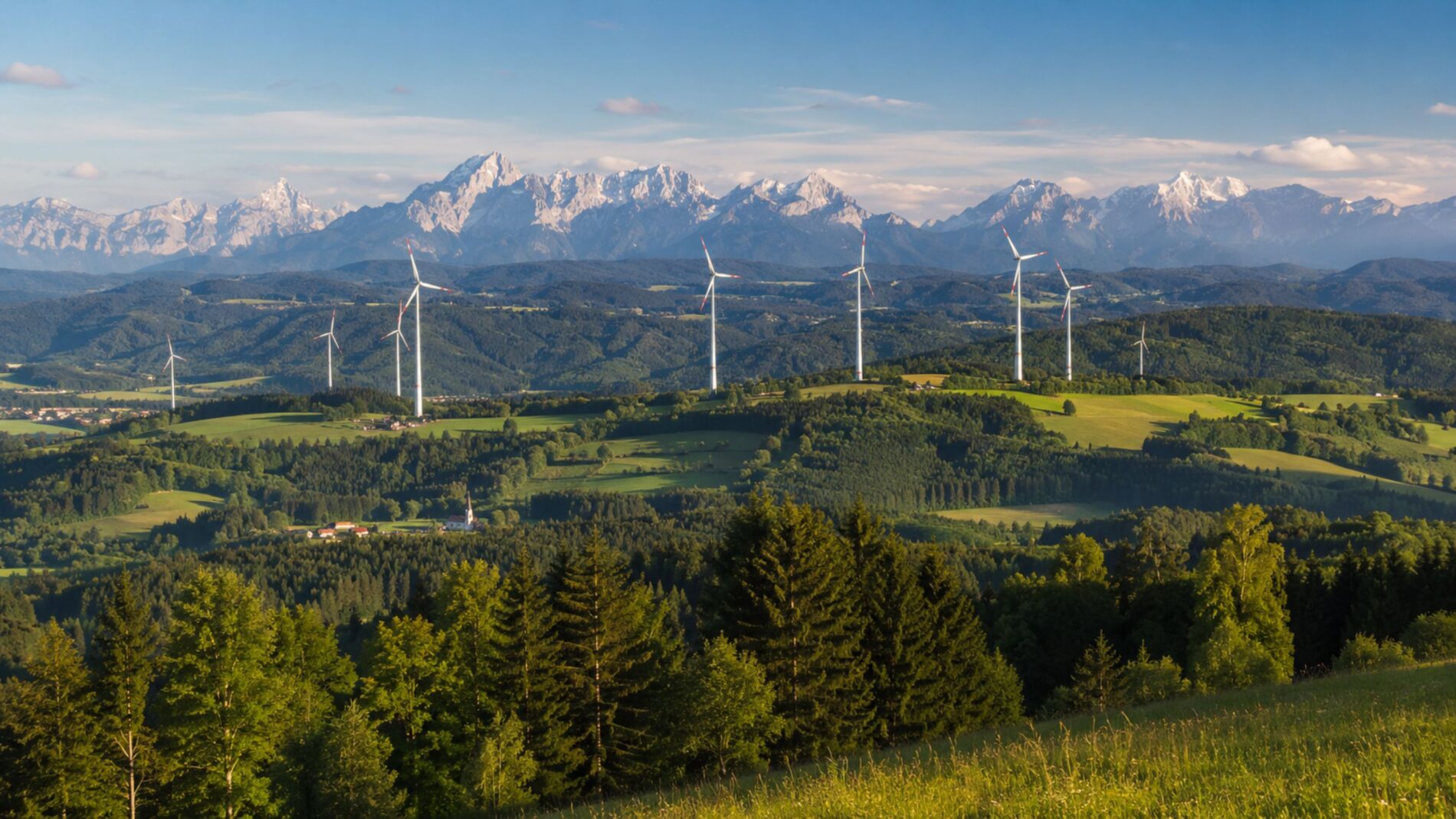
Modern wind turbines are capable of harnessing wind from higher atmospheric layers. However, they do not alter the fundamental conditions prevailing in the south. Less wind inevitably translates into lower yields. Moreover, investment costs—covering the foundation, tower, rotor, and grid connection—remain high.
Higher Remuneration Masks the Market Problem
The Renewable Energy Sources Act (EEG) compensates for less favorable locations through the use of correction factors. Consequently, operators are able to secure higher revenues. However, this remuneration does not actually make the facility itself any more productive; it merely shifts the additional costs onto the broader electricity system.
As a result, the expansion of wind power in Bavaria requires special political treatment. The lackluster results of recent tenders serve as clear evidence of this fact. Regions with abundant wind resources are able to submit more competitive bids. Consequently, Bavaria is losing out in this competitive landscape—despite the fact that politicians are actively seeking to increase the number of wind power installations.
Bavaria’s Grids Are Already Overwhelmed by Solar Power
Bavaria has undertaken a massive expansion of its solar energy capacity. However, the electricity generated does not always reach the end consumers. Grid operators are frequently forced to curtail the output of photovoltaic systems when transmission lines become overloaded. As a result, electricity goes to waste—remaining unused—even as consumers continue to pay high prices.
The figures underscore the sheer scale of this issue. In 2023, 510 gigawatt-hours of solar electricity were lost in Bavaria due to curtailment. In 2024, this figure rose to 1,100 gigawatt-hours. From January through November 2025 alone, the total had already reached 2,180 gigawatt-hours.
More Installations Do Not Solve the Problem of Insufficient Grid Capacity
Additional wind turbines also require power lines, transformers, and control technology. Furthermore, they do not generate electricity precisely when industry and households reliably need it. During periods of low wind, they offer little assistance; conversely, during peaks in power injection, they can place additional strain on grid management systems.
Proponents point to the benefits of generating electricity close to the point of consumption. This approach can be sensible, provided that grid infrastructure and storage capacities are adequate. In Bavaria, however, there is already a shortage of sufficient transmission capacity—even for solar power. Consequently, every new project must transparently disclose its impact on the grid as well as its true system-wide costs.
Policymakers Push Ahead Despite Cost Risks
Politicians are calling for regional quotas, special tenders, and more favorable conditions for wind energy projects in Bavaria. In doing so, they indirectly acknowledge the poor economic viability of many potential sites. Without higher financial incentives, numerous installations would scarcely stand a chance of being realized. This therefore creates an additional financial burden for electricity consumers.
The expansion of wind power can certainly boost regional electricity generation; however, it does not automatically lead to lower electricity prices. When marginal sites require increased subsidies—and when grid constraints already necessitate the curtailment of solar power generation—the risk of costly grid mismanagement grows. For Bavaria, therefore, what truly matters is not merely the number of new installations, but rather the availability of electricity that is both affordable and genuinely usable. (KOB)