
U.S. automakers such as General Motors, Ford, and Stellantis anticipate up to $5 billion in additional costs this year, as the conflict with Iran strains supply chains, transport routes, and raw material markets. In Detroit, the companies cited rising prices for aluminum, oil, plastics, paints, DRAM chips, and logistics when reporting their first-quarter earnings. The situation is being triggered by blocked routes through the Strait of Hormuz, as well as shortages of intermediate goods. Aluminum, in particular, is emerging as a risk factor, given its use in vehicle bodies, engines, and doors. Consequently, should the conflict persist, consumers face the threat of higher vehicle prices, fewer discounts, and new financial burdens. (ft: 04.05.26)
US Automakers Struggle with High Aluminum Prices
General Motors CEO Mary Barra stated this week: “The war in Iran has increased our costs, and its duration remains uncertain.” At the same time, GM is cutting expenses in other areas. The company now anticipates an impact of up to $2 billion on its adjusted operating profit.
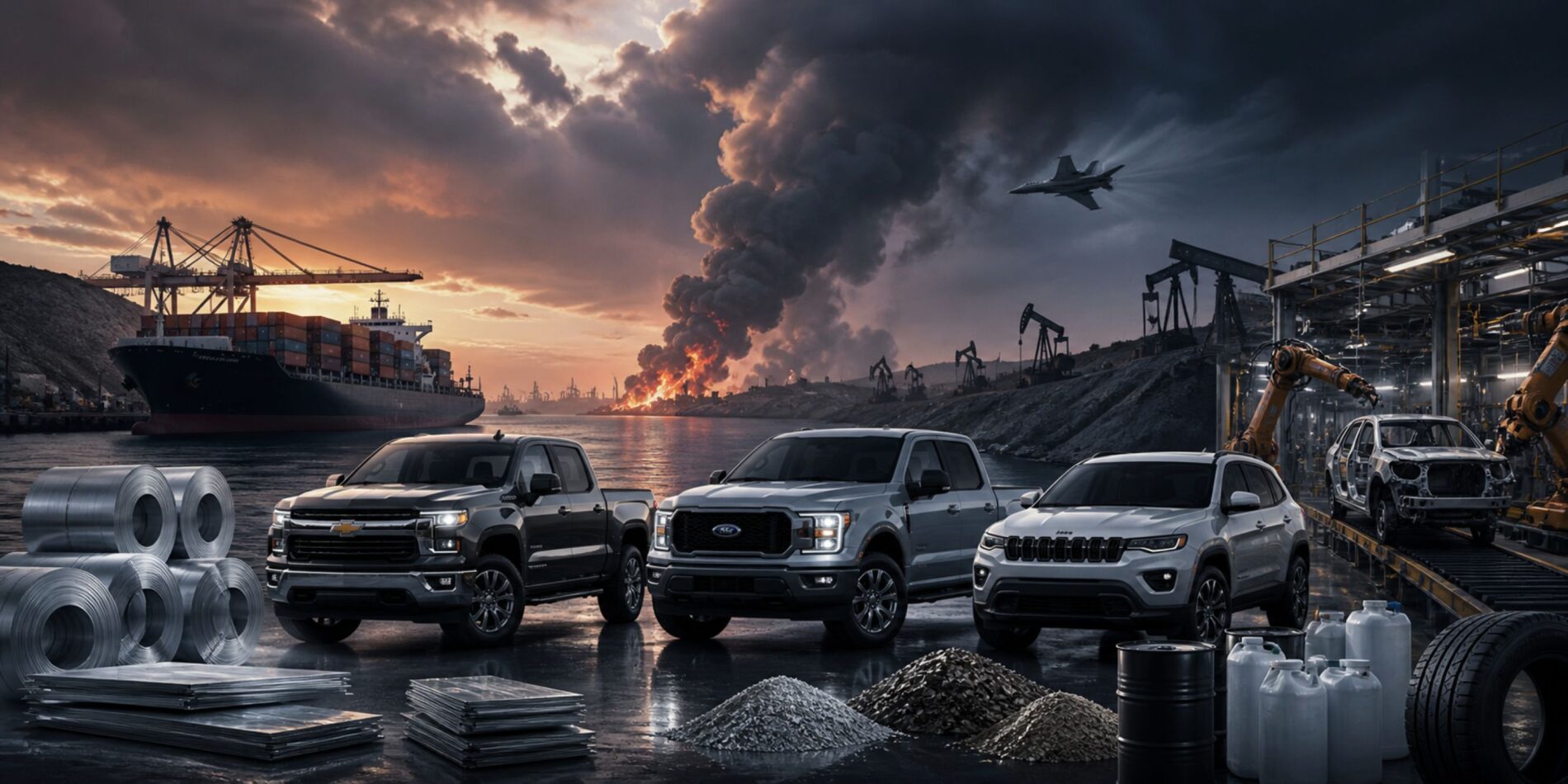
Ford also anticipates supply chain costs of up to $2 billion. This figure is approximately $1 billion higher than in the previous year. While Stellantis considers itself largely hedged for the first quarter, it could face around €1 billion in additional costs in 2026.
Supply Contracts Offer Only Temporary Protection
The additional raw material costs are approaching the same magnitude as the anticipated tariff burden. Automakers estimate this impact at around $6 billion. Consequently, raw material costs and trade policy are simultaneously squeezing already thin profit margins.
Fixed-price contracts with suppliers have so far mitigated this effect. However, this protection will not last indefinitely. If the conflict persists for another two months, more suppliers are likely to demand new terms. These higher prices would then likely begin to impact financial statements after approximately six months.
Oil, Plastics, and Chips Drive Up Pressure
Aluminum remains the most critical factor. Since the outbreak of the war, prices on the London Metal Exchange have at times surged by 16 percent. For U.S. automakers, this could translate into additional costs of $500 to $1,500 per vehicle—provided no hedging measures are in place.
Ford was already grappling with supply shortages prior to the conflict in Iran. Two fires at its aluminum supplier, Novelis, disrupted production of the F-Series pickup trucks. Consequently, Ford is now sourcing aluminum from abroad.
Rising oil and gas prices are also driving up production costs. Furthermore, shortages loom for naphtha—a key ingredient in plastics. This places interiors, coatings, tires, and various other components under significant cost pressure.
Mercedes also anticipates higher raw material costs over the course of the year. Should the conflict be prolonged, supplies of specific raw materials could become scarce. Additionally, DRAM chips are driving up vehicle prices as manufacturers increasingly prioritize allocating production capacity toward AI data centers.
Ultimately, U.S. automakers will face the decision of whether to implement price hikes. However, the first to raise prices risks losing sales volume. Consumers, after all, have already been paying elevated vehicle prices since the onset of the pandemic.