
On April 29, 2026, Soluxtec filed for insolvency with the Bitburg Local Court. The solar module manufacturer has been producing in Bitburg and Föhren for around 15 years; however, the sharp drop in photovoltaic module prices has severely impacted its business model. Approximately 70 employees are affected, although their salaries are initially secured through insolvency benefits. The primary risk factor remains fierce global competition. Consequently, one of the few remaining German solar module manufacturers now faces acute peril.
Soluxtec Represents the Last Remnant of the German Solar Industry
The Local Court has appointed attorney Jakob Joeres of dhpg as provisional insolvency administrator. He is currently assessing the situation, and discussions with potential investors are also underway. Soluxtec intends to utilize the standard insolvency proceedings as a vehicle for restructuring.
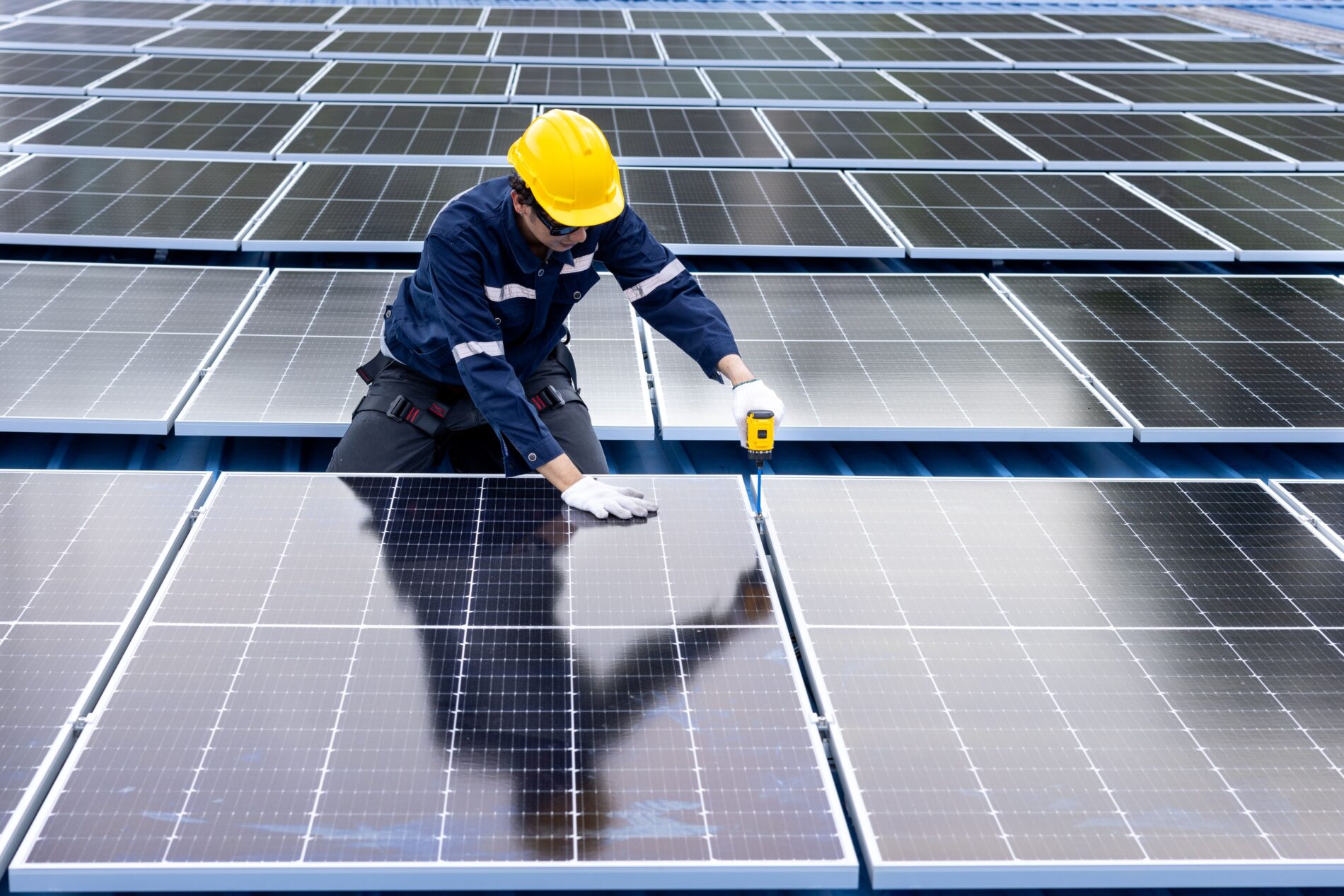
This case strikes a sector once hailed as the core of a “green economic miracle.” Germany boasted such well-known names as Q-Cells, Solarworld, Solon, Sovello, and Conergy. However, following bankruptcies, acquisitions, or production shutdowns, many of these companies have since vanished from the German industrial landscape.
Former beacons of hope in the solar industry have long since disappeared
Q-Cells, hailing from the former “Solar Valley,” filed for bankruptcy in 2012 and was subsequently acquired by Hanwha of South Korea. Solarworld slid into insolvency in 2017; Meyer Burger later took over production operations in Freiberg—only to shut them down again in 2024. Solon had already filed for bankruptcy back in 2011.
Sovello and Conergy, too, serve as symbols of the collapse of an industry that, for a long time, was politically championed as a key sector of the future. Sovello was forced to file for bankruptcy in 2012. Conergy followed suit in 2013, despite having previously ranked among the most prominent names in the German solar sector.
Low-Cost Modules Squeeze Out German Production
Soluxtec is now grappling with the same fundamental problem faced by many of its predecessors. Asian manufacturers produce on a massive scale, while German providers bear higher costs. In this market, quality alone is often no longer enough.
For Bitburg, therefore, the stakes involve more than just 70 jobs. They concern the industrial substance of a key sector. Germany is massively expanding its solar power capacity, yet the modules are increasingly coming from abroad.