
In Germany, major steelworks will have to cut production in early June 2026 because the unreliability of rail freight transport is slowing down crucial raw material deliveries. Facilities in Salzgitter (Lower Saxony) and Eisenhüttenstadt (Brandenburg) are affected. Construction work on the rail network in northern Germany is disrupting key freight routes, preventing iron ore, coal, and scrap metal from reaching the plants reliably. Consequently, the supply of raw materials to blast furnaces remains a particularly critical issue. The consequences range from production cutbacks to substantial additional costs for the industry. (berlinstory: 04.06.26)
Unreliability in freight transport directly affects blast furnaces
Salzgitter AG is one of Germany’s three largest steel producers. The group requires a constant supply of raw materials for its facilities. However, disruptions to rail transport are now noticeably slowing down the supply process.
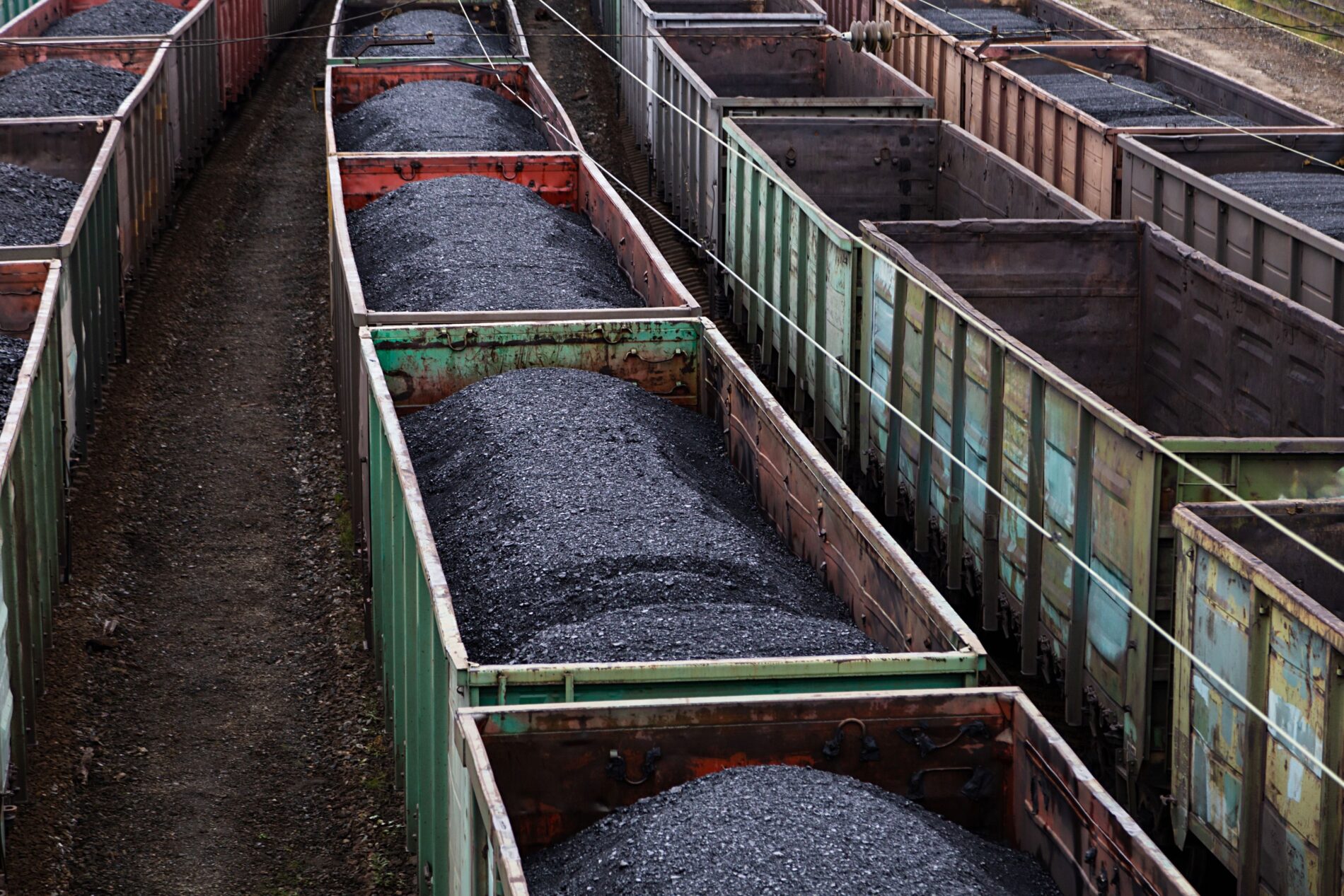
A spokesperson explained that, due to problems with freight trains, “we have already had to scale back our blast furnace production.” This means the rail issues are now affecting core steel production processes. Further cutbacks are also looming if the situation does not stabilize quickly.
ArcelorMittal reports iron ore shortages
ArcelorMittal is also feeling the impact of the disrupted rail logistics. The company operates plants in Hamburg, Bremen, and Eisenhüttenstadt. Initial cutbacks have already occurred at the Brandenburg site due to a lack of iron ore.
A spokesperson blamed the “ongoing chaos caused by construction work on the Northern German rail network.” At the same time, he criticized the lack of priority given to freight trains. Consequently, the unreliability of the rail system is affecting not just individual shipments, but entire production chains.
Steel industry warns of high knock-on costs
Steelworks cannot simply shut down or restart their blast furnaces at will. Consequently, supply disruptions quickly lead to additional costs. Furthermore, industrial delivery schedules are jeopardized when intermediate products are missing.
Salzgitter is already warning of a massive financial burden. The company also notes that “significant macroeconomic damage is now becoming apparent.” Rail unreliability is thus becoming a locational disadvantage for energy-intensive industries.