
In Germany, the Federal Network Agency is preparing a reform of electricity grid charges that could financially impact many households with larger photovoltaic systems and battery storage units starting in 2029. The move is driven by the high fixed costs associated with expanding, operating, and stabilizing the power grids—costs that have traditionally been allocated primarily based on electricity consumption. Households with solar systems reduce their reliance on the grid through self-consumption but continue to use it for residual power needs and feeding in surplus energy. However, small balcony solar systems are expected to be exempt. For affected homeowners, higher fixed grid charges could undermine the economic viability of private solar investments. (focus: 28.05.26)
Why households with solar power systems should bear a larger share of grid costs
The reform is known as AgNes. It aims to restructure the allocation of grid costs. Households with photovoltaic systems feed surplus solar power into the grid; nevertheless, they rely on the public grid during periods of low generation.
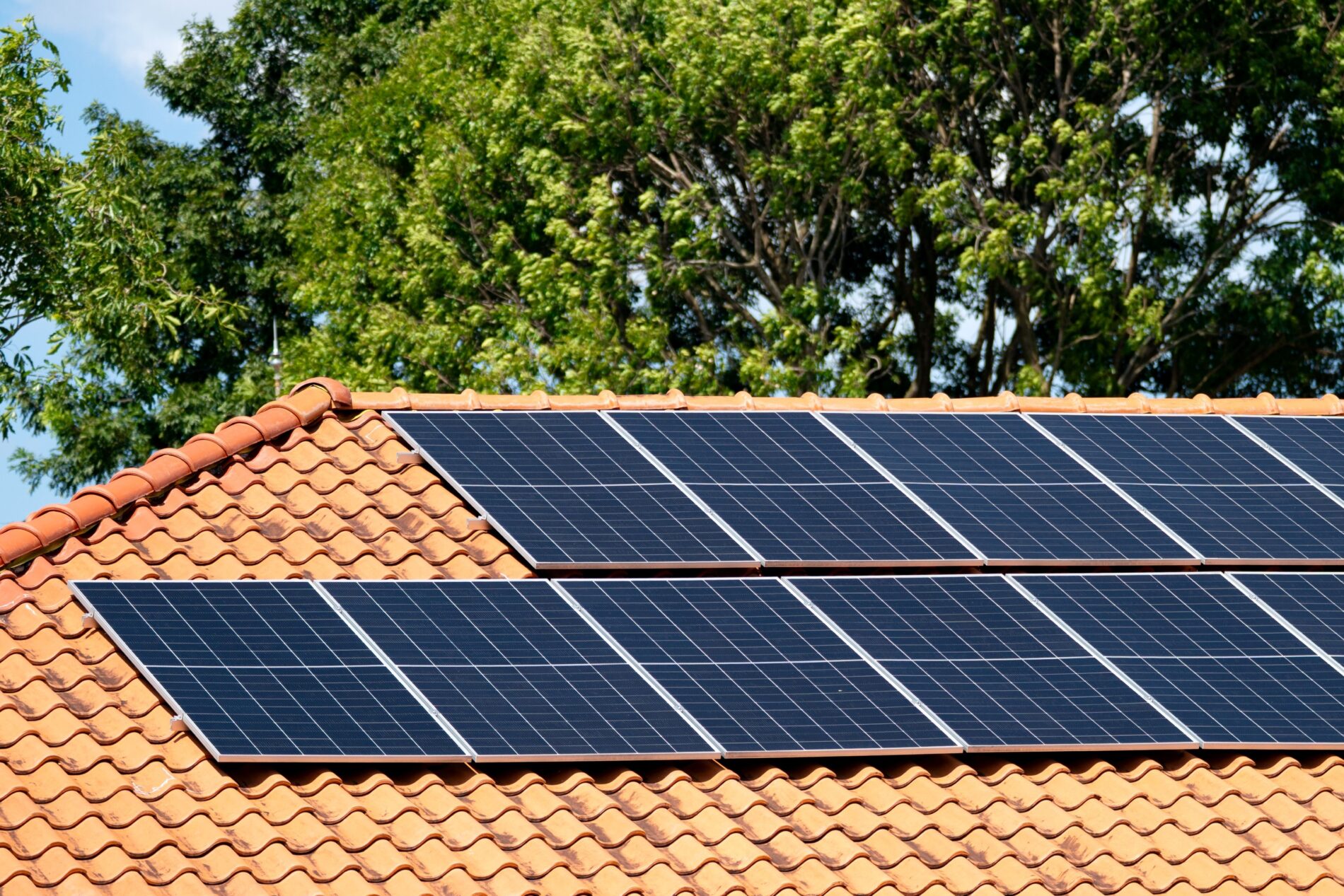
According to the Federal Network Agency, electricity grids incur annual costs of around 37 billion euros. Consequently, the agency is examining ways to distribute fixed grid costs more broadly. Grid fees also make up a significant portion of the electricity price. For households with solar installations, this could result in a higher fixed base charge.
Higher base charges alter solar cost-benefit calculations
Current estimates suggest that potential additional costs would often be less than 100 euros per year. Nevertheless, even a modest surcharge can affect the payback period. Many homeowners calculate the economics of solar systems, storage units, and self-consumption over long timeframes; therefore, every recurring cost counts in the financial assessment.
Christof Wittwer of the Fraunhofer Institute for Solar Energy Systems views the reform critically. He warns: “Expansion targets—and thus the timely transformation of the energy system—are at risk.” He also anticipates a decline in private photovoltaic systems and battery storage units, which could slow the pace of decentralized expansion.
Experts see a need for reform in the changing electricity system
However, other experts consider a restructuring to be objectively justified. Karsten Neuhoff of the German Institute for Economic Research points to rules that stem from a bygone era of the electricity sector. In the past, large power plants and predictable power flows dominated; today, millions of small-scale systems generate electricity directly at the point of use.
At the same time, electricity demand is rising due to electric vehicles and heat pumps, placing new strains on distribution grids. Dynamic grid fees are among the models currently under discussion; under such a system, consumers could pay less if they use electricity at times that benefit the grid.
Decision on new grid charges due in late 2026
However, Christian Rehtanz of TU Dortmund urges caution regarding dynamic tariffs. He states: “Dynamic grid charges are a very complex matter.” In doing so, he points to technical requirements and potential distributional effects. Those unable to significantly shift their consumption would see only limited benefits.
The Federal Network Agency plans to present a concrete draft in the summer of 2026. The final version is expected to be determined by the end of 2026. Consequently, there will be no immediate changes for electricity customers. However, for households with larger solar installations, the extent to which fixed grid charges will rise from 2029 onwards remains an open question.