
A faulty software update largely paralyzed Berlin’s court system on the morning of Monday, July 13, 2026. The disruption affected all local courts, the Moabit Criminal Court, both regional courts, and the Court of Appeal. Consequently, the courts were unable to access electronic case files, emails, or central case management systems. Court administrators sent staff home at midday, while hearings were either cancelled or conducted only under emergency operating procedures. Judges were forced to resort to pen and paper. Criminal proceedings were a particular concern, as statutory detention deadlines were at risk of expiring. Furthermore, judges had previously complained about recurring issues with the judicial IT system.
Software update, not a licensing issue: ITDZ corrects initial statement
The judicial administration initially assumed there was a licensing issue with interface software. However, the ITDZ corrected this initial statement following a joint analysis with the manufacturer. According to the findings, an update installed the previous week had triggered the login problems.
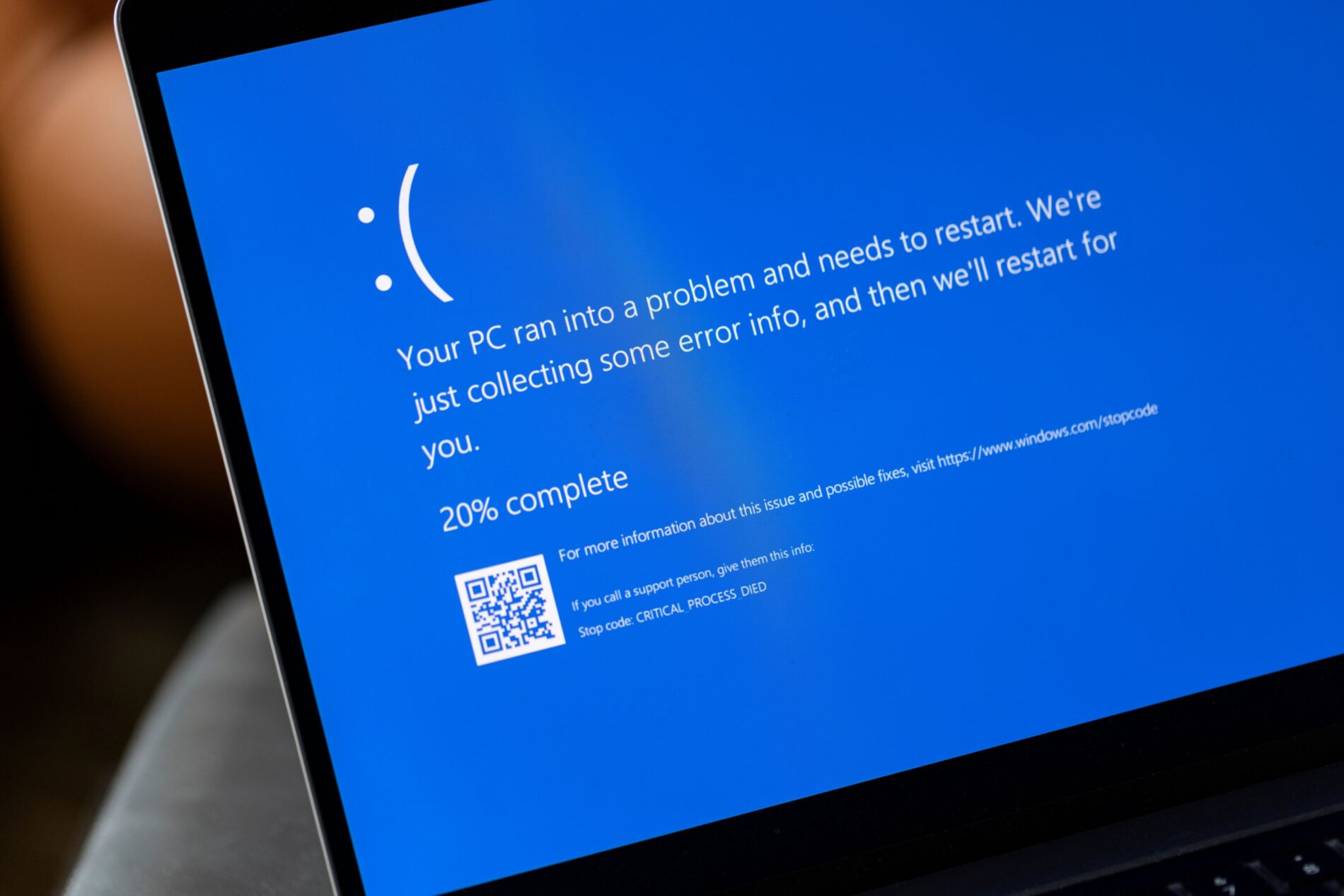
Image: Shutterstock
The central operating environment was back online by late Monday afternoon. Overnight, the ITDZ rolled back the software update and restored system access. Consequently, most employees were able to resume work on Tuesday, although isolated login issues and slower speeds persisted.
Digital files become a major bottleneck
The disruption affected a judicial system that now organizes numerous workflows digitally. Without access to digital case files, documents required for hearings, court orders, and judgments were unavailable. Furthermore, courts faced temporary limitations in communicating with lawyers and other parties involved in proceedings.
Several scheduled hearings had to be cancelled or rescheduled, while some judges continued working using paper files. According to media reports, arrest warrants at the Tiergarten District Court were even drafted by hand. The Association of Judges described the situation thus: “We are making do with pen and paper, and holding hearings without case files.”
System outage puts criminal trial deadlines at risk
Ongoing criminal proceedings were a particular concern because pre-trial detention is subject to strict time limits. If necessary hearings are cancelled, a court cannot maintain an arrest warrant indefinitely. In a worst-case scenario, this could lead to the release of accused individuals from pre-trial detention. So far, however, there have been no reports of such releases.
The outage caused by the software update was not an isolated incident. For weeks or even months, judges had been reporting slow systems, error messages, and intermittent failures. Consequently, the judiciary is demanding a permanent stabilization of the judicial IT infrastructure. The incident also demonstrates that centralized digital systems require robust contingency solutions.
Author: Blackout News
Sources: rbb24 (14.07.26) – Die Zeit (14.07.26) – Berlin (14.07.26) – Tagesspiegel (14.07.26)