
On April 13, 2026, the UK moved forward with the construction of its first mini nuclear reactors, thanks to a supply contract signed by Great British Energy – Nuclear with Rolls-Royce SMR. The initial plan calls for three small modular reactors, which together are expected to provide enough low-carbon electricity to power the equivalent of around three million homes. At the same time, the state-backed National Wealth Fund pledged up to £599 million for the next development stages. The political context is clear: London aims to secure its energy supply, expand electricity generation, and simultaneously strengthen its own nuclear industry. However, the greatest risk remains the expensive and complex implementation, as financing, permits, and the construction process will determine whether the project actually delivers new power plant capacity. (marketscreener: 13.04.26)
Rolls-Royce Receives Momentum for SMR Program
According to the British government, the contract is the first formal delivery agreement for small modular reactors in Europe. This is significant because it marks the project’s transition from political announcements to concrete implementation. Back in June 2025, the government selected Rolls-Royce SMR as its preferred technology partner following a competitive process. Now comes the step that transforms the selection and planning phases into a binding contract.
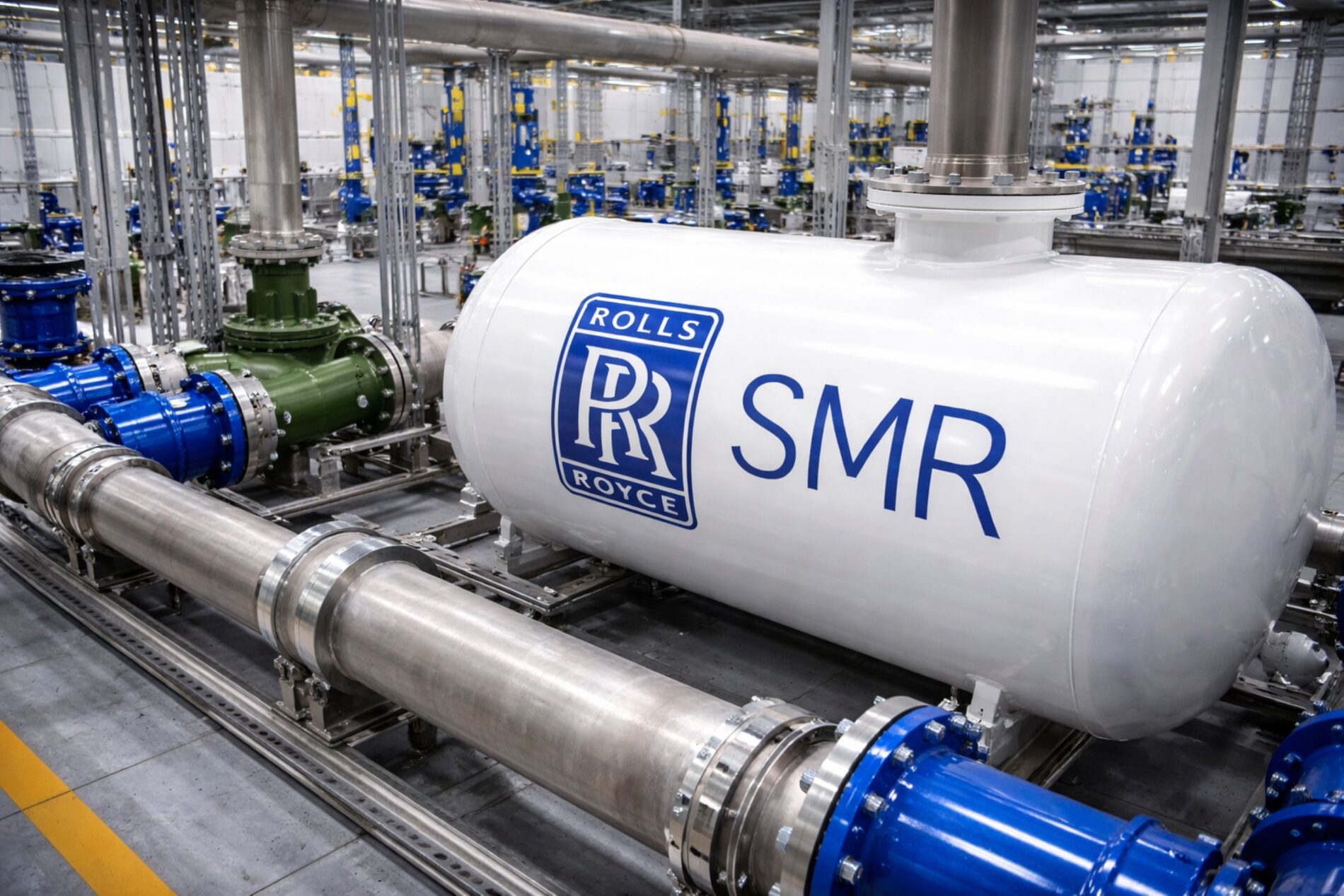
Added to this is the government’s financial backing. The government had already allocated £2.6 billion to the SMR program, and the first power plant is planned for Wylfa in North Wales. The additional investment commitment from the National Wealth Fund therefore increases the pressure to visibly advance the project. However, this is precisely where the risk lies, as high expectations for speed and cost control clash with a technology that still needs to be introduced to the market.
Wylfa to supply electricity and secure jobs
For the government, the project is not only an energy initiative but also a signal of industrial policy. According to them, around 3,000 jobs could be created or secured at the peak of the construction phase. London also anticipates further job creation in the British supply chain. Chancellor Rachel Reeves stated that the investment “will strengthen our energy security, create skilled jobs, and help build a new generation of domestic nuclear technology that will power our economy for decades to come.” The economic benefits are thus deliberately given equal priority to the energy policy objective.
Rolls-Royce is also linking the contract to a broader European strategy. The company is already the preferred SMR technology partner of the Czech energy provider CEZ, where such reactors with up to 3 gigawatts of low-carbon power are planned. CEO Chris Cholerton said: “This contract enables the delivery of our first three units to Wylfa and provides security for the UK’s SMR program.” This is significant for Great Britain because it means the site will not just remain a test case, but could become part of a growing European market. However, its success depends on whether Wylfa delivers on time and whether the promised cost stability is actually achieved.