
A study from South Korea, published in October 2026, fundamentally questions the environmental benefits of paper straws. Since July 2021, the EU has enforced a ban on the placing of conventional single-use plastic straws on the market. In their place, the hospitality industry and food manufacturers frequently use paper-based alternatives. However, the study—commissioned by the South Korean Ministry of Environment—reveals that these alternatives can, in some cases, result in a greater environmental burden. Conventional plastic straws perform better than their alternatives in ten out of 16 environmental categories examined. Paper products, in particular, show disadvantages regarding resource consumption and various types of pollutant impacts. This has cast doubt on the environmental credentials of the European policy on single-use plastics.
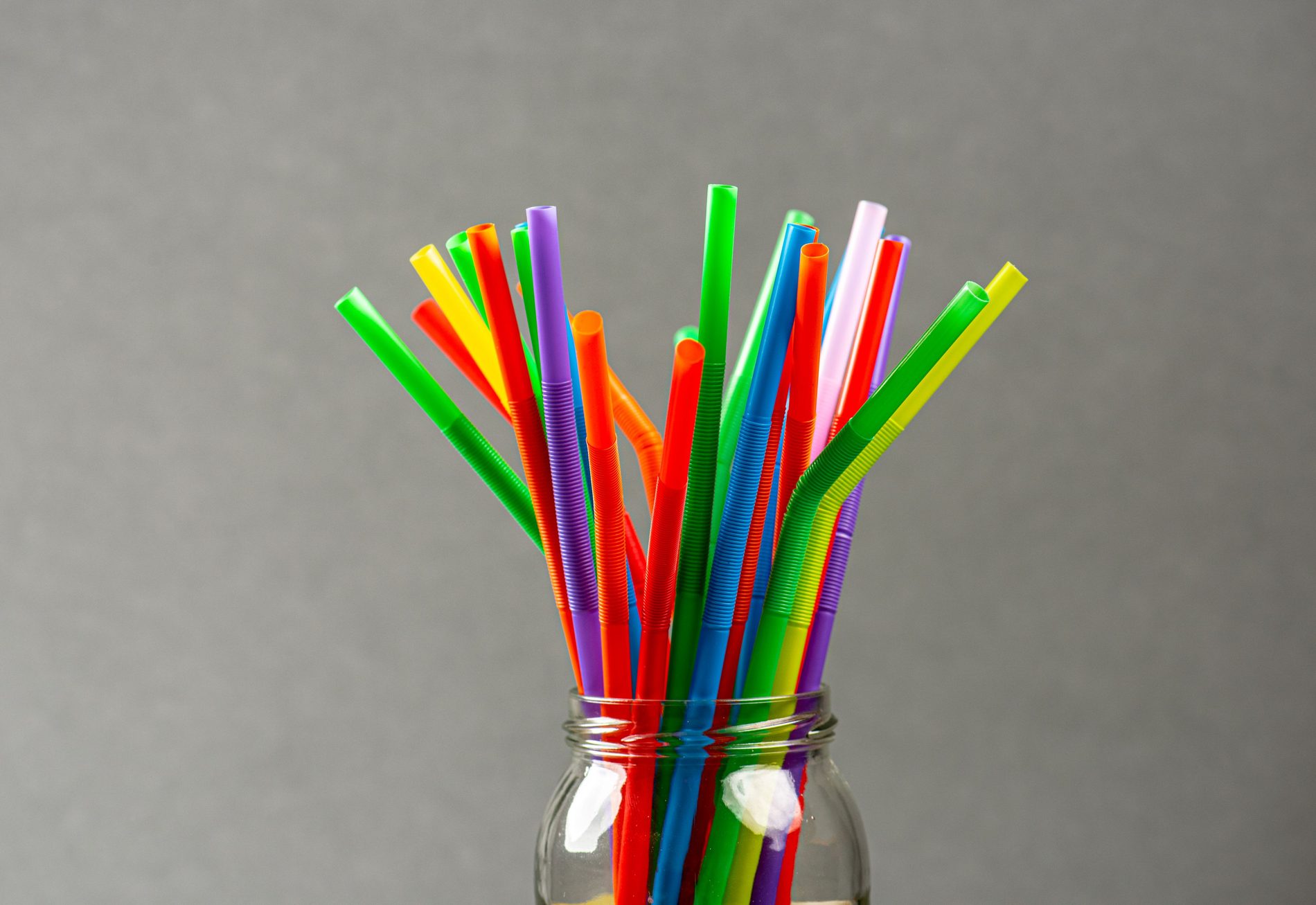
Image: Shutterstock
Study Finds Paper Straws Cause Greater Environmental Impact
In this study, researchers examined four different materials across their entire life cycle, taking into account raw material extraction, manufacturing, usage, and disposal. In addition to conventional polypropylene, they compared paper, biodegradable plastics, and bio-based polyethylene. The study was conducted from May 2025 to April 2026. Its findings contradict the common assumption that plant-based raw materials are automatically more environmentally friendly.
The differences are particularly pronounced regarding specific environmental impacts. According to the study, paper straws caused 2.04 times more acidification than conventional plastic products. In terms of fine particulate matter, the impact was 1.62 times higher, while for ozone depletion, the researchers found a factor of 2.23. However, the actual environmental footprint also depends on the specific manufacturing process and the method of disposal.
Study also highlights issues with potentially carcinogenic substances
Particularly noteworthy are the findings regarding human toxicity—specifically, carcinogenic potential. In this category, paper straws scored 6.33 times higher than conventional plastic straws. However, this figure does not imply a correspondingly higher personal cancer risk for the user; rather, it reflects modeled pollutant impacts across the entire production and disposal chain. Consequently, it cannot be concluded that using these straws poses an immediate health risk.
Some supposedly sustainable bioplastics performed even worse. For straws made from bio-based polyethylene, the score was 16.18 times higher than that of conventional plastic straws; furthermore, their acidification potential was 5.9 times greater. Biodegradable plastic straws reached a factor of 3.34 in terms of carcinogenic potential. Thus, the mere fact that a product is manufactured from renewable raw materials does not guarantee an environmental advantage.
EU ban addresses different environmental risks
The study calls into question the political focus on the raw materials used. However, the European ban primarily pursues a different objective: to reduce long-lasting plastic waste in bodies of water and the oceans. In these environments, plastic gradually breaks down into increasingly smaller fragments, potentially persisting as microplastics. The South Korean life-cycle analysis accounts for these consequences only to a limited extent; therefore, its results cannot be used to claim that all plastic products are inherently superior.
Additionally, there is another issue with the alternatives adopted in Europe: used paper straws often cannot be recycled economically due to the presence of coatings, adhesives, and beverage residues. For this reason, in Germany, they typically end up in general waste and are subsequently sent for thermal recovery. Consequently, replacing the material does not automatically prevent additional resource consumption. Furthermore, the electricity mix, transport routes, and waste disposal systems differ significantly between South Korea and Germany.
Consumers Prefer Plastic – Researchers Recommend Reducing Single-Use Products
The South Korean study also surveyed the attitudes of 1,001 consumers. It found that 87.5 percent preferred conventional plastic straws. At the same time, 54.4 percent supported a policy of providing drinking straws only upon explicit request, while only 18.4 percent opposed such an approach. Consequently, the researchers recommend a general reduction in the consumption of single-use products.
For European environmental policy, this creates a significant conflict of objectives. On one hand, bans on certain plastics are intended to prevent long-lasting plastic waste. On the other hand, alternative materials can cause additional environmental burdens during their production and disposal. A comprehensive assessment must therefore take into account both the industrial life-cycle impact and the issue of environmental littering. The current study provides strong arguments against blanket bans on specific materials that lack a thorough impact assessment. Ultimately, however, the greatest environmental benefit likely lies in avoiding unnecessary single-use products altogether.
Author: Blackout News
Sources: SWR (29.10.26) – Health Cohsun (28.10.26) – The Korea Herald (22.10.26) – SBS News (21.10.26)