
Energy companies are seeking to return sites they previously secured for offshore wind farms, as the planned facilities are no longer economically viable. In auctions held in 2023 and 2024, investors committed to payments totaling billions of euros, with some initial installments already paid. However, a sharp rise in construction costs, delays in grid connections, and uncertainty regarding electricity revenues have rendered many of these projects unprofitable. In response, Federal Minister for Economic Affairs Katherina Reiche intends to introduce a legal mechanism allowing for the return of these sites, enabling the state to reallocate them. The situation potentially affects projects with a combined capacity of 9.5 gigawatts, while the offshore industry faces the risk of losing contracts and thousands of jobs.
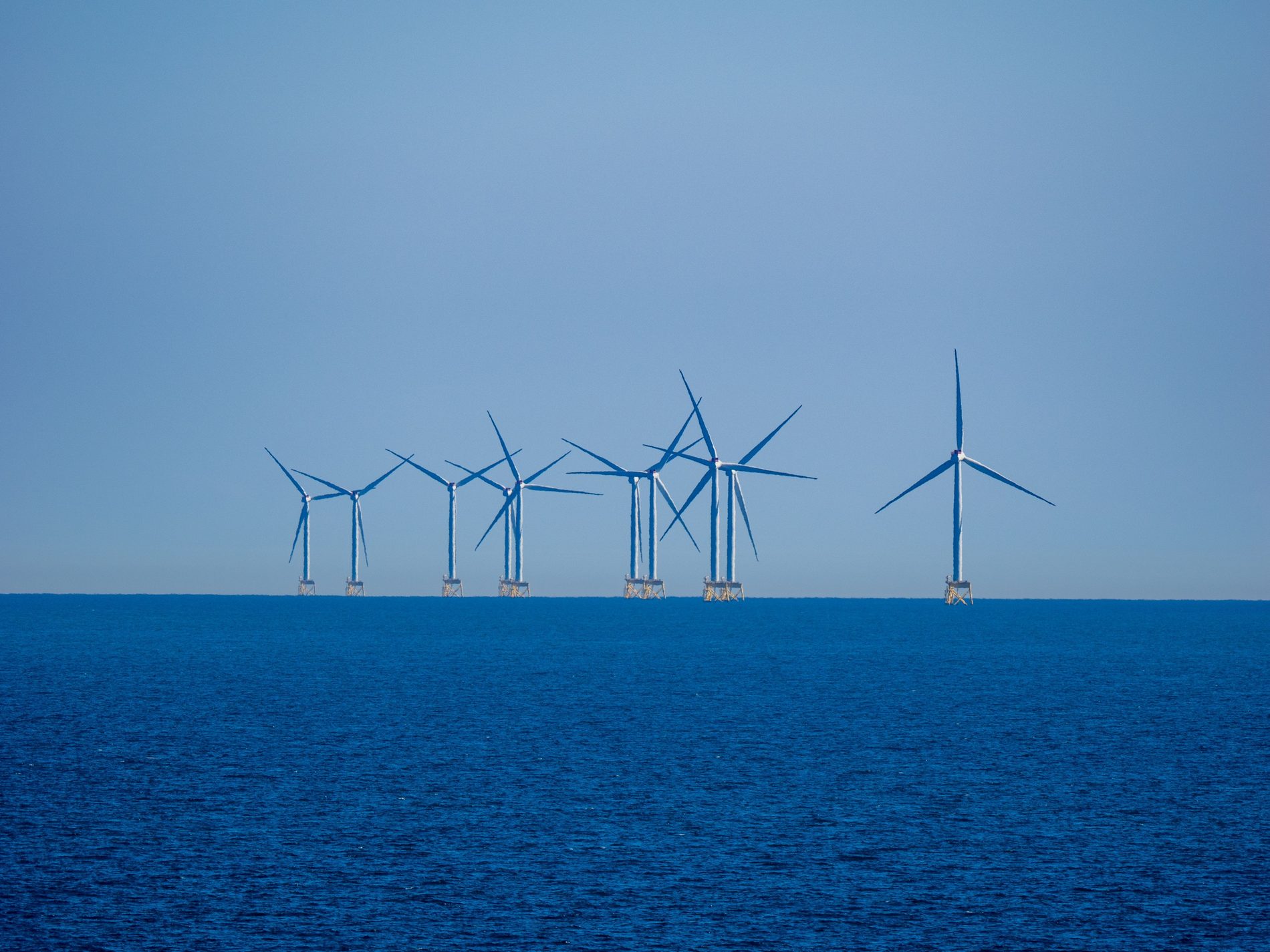
Image: Shutterstock
Billions in commitments made – now construction is no longer viable
As recently as 2023, BP and TotalEnergies engaged in an intense bidding war for offshore sites. Together, the two corporations secured seven gigawatts of capacity, committing to payments totaling 12.6 billion euros. Under the auction rules in place at the time, five percent of the proceeds were earmarked for marine conservation, with another five percent allocated to the fishing industry. The remaining 90 percent, meanwhile, was not due to be paid until the wind farms were completed, spread out over a 20-year period.
The economic calculus has since shifted entirely. According to the Ministry for Economic Affairs, investment costs have risen by approximately 50 percent over the last three years. At the same time, delays in grid connections are increasing uncertainty and pushing back potential revenue. Consequently, it may prove more cost-effective for the investors to forfeit the payments and collateral they have already provided, rather than sinking billions more into offshore wind farms that are no longer economically viable.
Government to Allow Return of Offshore Wind Farm Rights
The Federal Ministry for Economic Affairs is planning to offer a one-time exit option for certain offshore wind concessions awarded in 2023 and 2024. This provision would apply to sites that were not comprehensively surveyed by the state prior to the auction process. In total, this affects up to 9,500 megawatts of planned wind power capacity. Under current proposals, however, companies would still be required to pay their contractual penalties in full and would be barred from bidding again for the same sites.
Yet, returning these rights does not solve the underlying economic challenge. While the state could auction the sites again, it cannot simply reduce construction or financing costs. Furthermore, delays in grid connections remain a significant obstacle. Consequently, it is uncertain whether new investors would even be willing to take on these abandoned projects under current conditions.
Even Prior Payments Do Not Prevent Withdrawal
The situation is particularly evident in the cases of TotalEnergies and BP. TotalEnergies no longer wishes to pursue at least one of its North Sea projects and is pushing for an option to return the rights. Meanwhile, the joint venture Jera Nex BP has put its German North Sea projects on hold due to uncertainty regarding grid connections. Both instances demonstrate that even multi-billion-euro concessions offer no guarantee that projects will actually be implemented.
These are not merely routine delays affecting individual construction projects; rather, the energy corporations are re-evaluating the overall profitability of their investments. The critical factor is the ratio of expected future revenue to the expenditures still required. Payments already made do not alter this calculation, as they cannot be recovered by continuing with the projects.
Not a single bidder left for new offshore sites
The tender held in August 2025 illustrated just how fundamentally the market has shifted. While energy corporations were still committing billions of euros in 2023, two years later, not a single company submitted a bid. The tender concerned two sites in the North Sea with a combined planned capacity of 2.5 gigawatts. Consequently, the federal government cancelled the tenders originally scheduled for 2026 and postponed the next round of auctions to 2027.
Moreover, the economic challenges extend beyond high construction costs. Wind farms that are planned too close together end up “stealing” wind from one another, which reduces their electricity yield. In some areas closer to the coast, the Ministry for Economic Affairs therefore anticipates fewer than 3,000 full-load hours per year. Sites located further offshore offer better yield prospects, but they require longer subsea cables and additional infrastructure.
Billions in Investments Fail to Materialize – Industry Loses Orders
This trend has far-reaching consequences for the German offshore industry. In 2023 and 2024 alone, investors secured rights for approximately 16 gigawatts of capacity, yet they have yet to reach final investment decisions. According to the industry association BWO, this involves potential investments and orders totaling up to 50 billion euros. As long as companies postpone their construction decisions, manufacturers and suppliers remain without the corresponding contracts.
Consequently, eight state premiers are warning of a significant slump in employment. Within four years, as many as 23,000 of the 49,000 jobs in the German offshore sector could be lost. Furthermore, the states anticipate potential revenue losses of around 24 billion euros. Those affected would include not only turbine manufacturers but also shipyards, port operators, and companies specializing in foundations and grid connections.
Government Expansion Targets Do Not Resolve Lack of Profitability
The federal government aims to make offshore expansion more economically attractive again through new auction rules. Proposed measures include longer operational lifespans and modified mechanisms to secure future electricity revenues. However, such adjustments could lead to additional costs for the subsidy system. Moreover, the necessary grid connections continue to entail high expenditures, which ultimately place a burden on electricity consumers.
The planned “return mechanism”—allowing companies to hand back rights—highlights a fundamental problem. Firms bid billions to secure sites, yet under changed conditions, some no longer wish to proceed with the planned installations. As a result, the state must re-auction sites that had already been awarded, even though new investors will face the exact same economic challenges. The critical factor is not how many gigawatts the government auctions off, but whether the construction of these wind farms is actually still economically viable.
Author: Blackout News
Sources: Tagesspiegel (29.10.26) – Frankfurter Allgemeine (27.10.26) – Handelsblatt (27.10.26)