
Beijing/Ithaca/Fort Collins – Solar parks can significantly alter the vegetation beneath their panels. This is shown by a global meta-analysis published on August 13, 2026. To conduct the study, researchers analyzed paired field observations from 55 sites. In wetter regions, above-ground plant biomass beneath the panels was, on average, 38 percent lower. However, the ratio of precipitation to potential evaporation was the decisive factor. In contrast, the researchers found no statistically significant reduction in very dry areas.
Solar parks alter both light and water conditions simultaneously
The study compares the areas beneath solar panels with the unshaded spaces between the rows of panels. While the shade has a direct impact on plant growth, the installations simultaneously alter temperature, evaporation, and precipitation distribution. Consequently, the local climate determines which effect predominates.
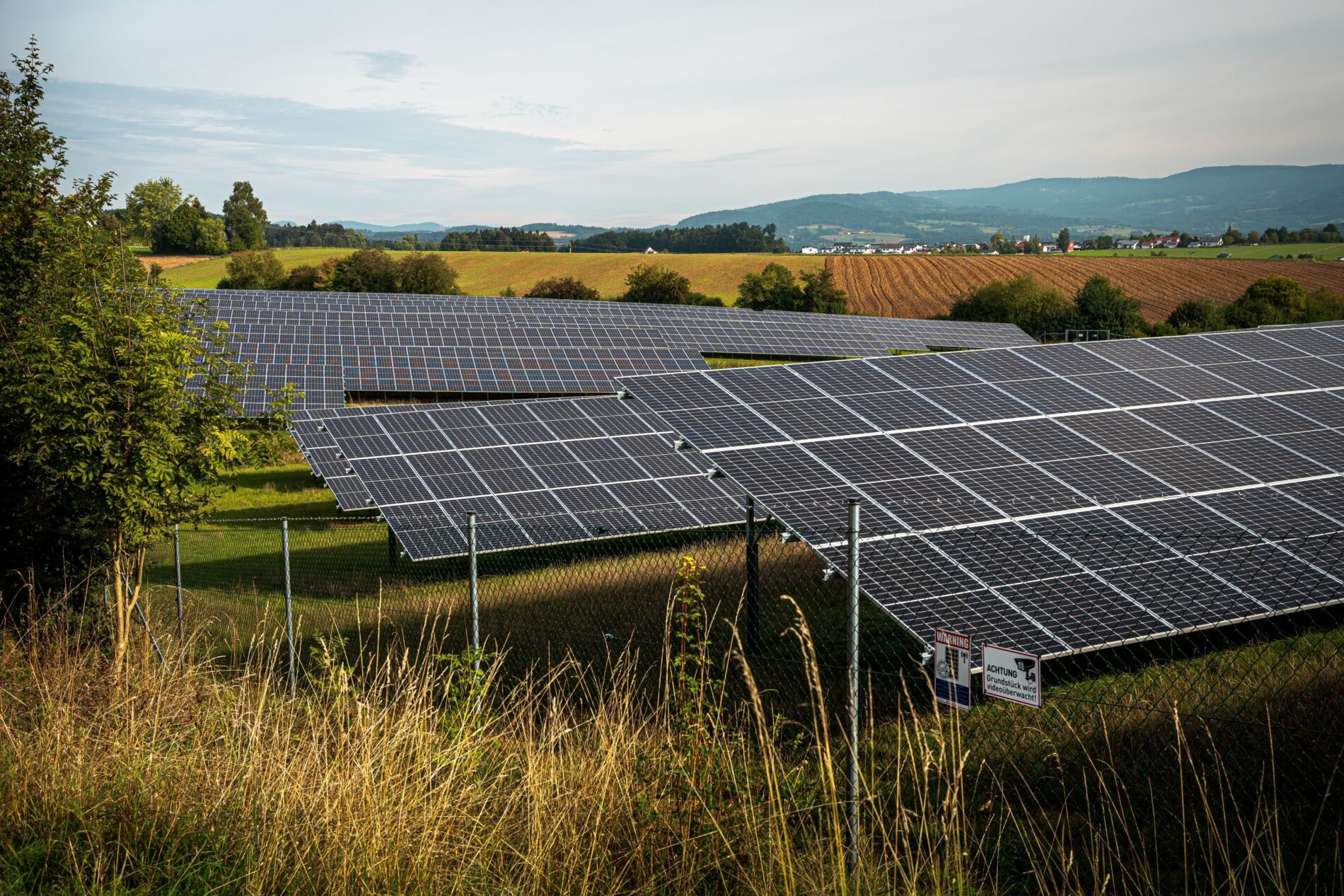
Image: Shutterstock
The researchers identified an aridity index of approximately 0.26 as the threshold. This index expresses the ratio of annual precipitation to potential evapotranspiration. Above this threshold, biomass beneath the solar panels decreased by an average of 38 percent. Below the threshold, however, the difference was not statistically significant. Consequently, solar parks do not have the same effect under all climatic conditions.
Drought can partially offset the shading effect
In arid regions, water availability often limits plant growth more than light does. Shade can therefore reduce evaporation and protect plants from extreme solar radiation. A study conducted in Inner Mongolia in 2026 yielded similarly nuanced results. Overall, it showed no significant effect on net primary production. However, 62.1 percent of the PV sites studied benefited, while 37.9 percent showed negative effects.
A global satellite study from 2025 also reveals significant regional variations. Vegetation cover increased at 52 percent of the facilities studied. Nevertheless, researchers also observed negative trends across all climate zones. Furthermore, climate change can either amplify or mitigate such effects. Therefore, the impacts of solar parks cannot be described by a single global metric.
Further studies reveal changes in plants and soil life
In addition to affecting biomass, photovoltaic systems also alter soil conditions. A French study analyzed 20 such installations across the Mediterranean region and the Atlantic coast. Plant species diversity beneath the panels was 37.5 percent lower than in open areas. Furthermore, soil respiration decreased by an average of approximately 62 percent. Researchers also recorded declines of 74 to 76 percent in springtail populations.
Nevertheless, the new meta-analysis highlights vast arid regions where conflicts regarding vegetation are minimal. The authors identify 11.67 million square kilometers worldwide that fall below their aridity threshold. In these areas, the analyzed data showed no significant loss of above-ground biomass due to the panels. Calculations indicate that 71 countries could install enough photovoltaic capacity on suitable land to meet their national electricity needs. However, this model-based calculation does not replace the need to assess nature conservation, land use, soil quality, and local ecosystems.