
During the week of May 20 to 23, 2026, Sami representatives in Munich drew attention to a conflict surrounding the Roan wind farm in Norway. Wind turbines—in which the Munich municipal utilities hold a stake—are situated there on traditional reindeer grazing lands. In 2021, Norway’s Supreme Court ruled that Sami cultural rights had been violated, as the facilities significantly impair reindeer herding. At the same time, Munich aims to meet its electricity demand—on a net basis—entirely through renewable energy sources. Since land in Bavaria is scarce, the municipal utility invested abroad. However, for the reindeer herders, this has resulted in reduced access to usable grazing lands, disrupted herds, and economic constraints. (sueddeutsche: 21.05.26)
Munich’s Green Electricity Strategy Leads to Norway
In 2009, Munich set itself an ambitious energy goal: by 2025, the city aimed to generate—on a net basis—as much green electricity as it consumes itself. Consequently, Stadtwerke München acquired stakes in wind energy projects across Europe. Norway emerged as a key location in this endeavor.
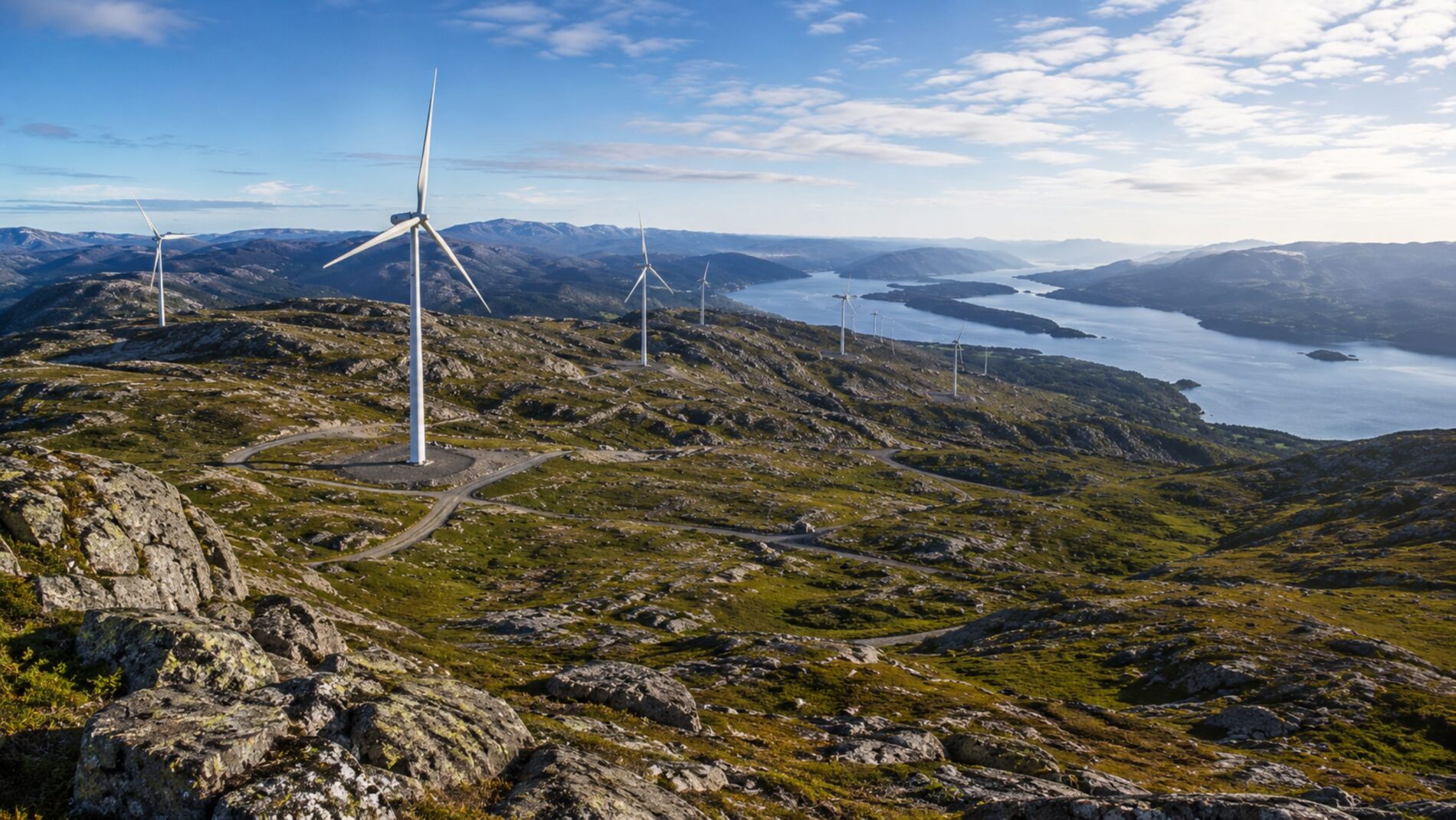
However, the electricity generated by the wind farms does not flow directly to Munich; instead, it feeds into the Nordic power grid. Nevertheless, for accounting purposes, this production counts toward Munich’s climate balance. It is precisely this connection that makes the case politically sensitive.
Wind Farms Cause Reindeer to Lose Vital Grazing Lands
The Sami people have practiced reindeer herding in the affected regions for generations. However, the wind farms are situated within landscapes utilized by their herds. Consequently, reindeer herders filed lawsuits against the facilities. In 2021, the Supreme Court of Norway ruled in their favor.
The court declared the permits unlawful, finding that they violated the Sami people’s right to practice their culture. However, it did not order the immediate dismantling of the facilities. As a result, the wind farms continued to operate.
Roads, Turbines, and Power Lines Alter the Landscape
For reindeer herders, it is not merely the land directly beneath the turbines that matters. According to them, their herds avoid much larger areas surrounding the facilities. Furthermore, roads and power lines cut across traditional migration routes. As a result, the amount of usable grazing land shrinks far more significantly than it might appear.
These consequences have a direct impact on the reindeer herding economy. When herds are forced to divert their paths, the pressure on other grazing areas increases. This raises the risk of overgrazing and leads to higher costs. For the Sámi people, the issue touches upon their culture, their livelihoods, and their right to self-determination.
Agreements Do Not Fully Resolve the Dispute
Following lengthy negotiations, agreements were reached in 2024. Wind farm operators and government authorities pledged to provide compensation and alternative grazing lands. Consequently, the wind farms have been permitted to continue generating electricity. For many of those affected, however, the encroachment on their territory remains a persistent reality.
The Sámi delegation’s visit to Munich was intended to engage directly with local policymakers. Yet, according to reports, only a handful of city council members attended the meeting. Precisely for this reason, the conflict remains a critical issue within Munich’s energy policy. Climate protection loses its credibility when the rights of indigenous peoples are treated merely as an afterthought.