
Shortages of specialized materials are becoming a risk to the expansion of Europe’s power grid. This warning comes from Epoxy Europe, the European association of the epoxy resin industry. The concern stems from EU targets aiming for 45 percent renewable energy by 2030, as well as initiatives for faster permitting processes and the establishment of new power corridors. With increasing electrification, electricity demand is rising—driven by electric vehicles, electric heating systems, industrial facilities, and data centers. The critical risk factor lies in the materials used for cables, transformers, insulation, printed circuit boards, and power electronics. If chemical regulations restrict these materials without viable alternatives in place, the result could be delays, higher costs, and reduced grid reliability. (theparliamentmagazin: 10.04.26)
Material Shortages Meet Lengthy Testing Procedures
Epoxy resins are among the often-overlooked key materials of electrification. They insulate electrical components while simultaneously providing them with mechanical stability. Furthermore, they protect technology from heat, moisture, and chemicals.
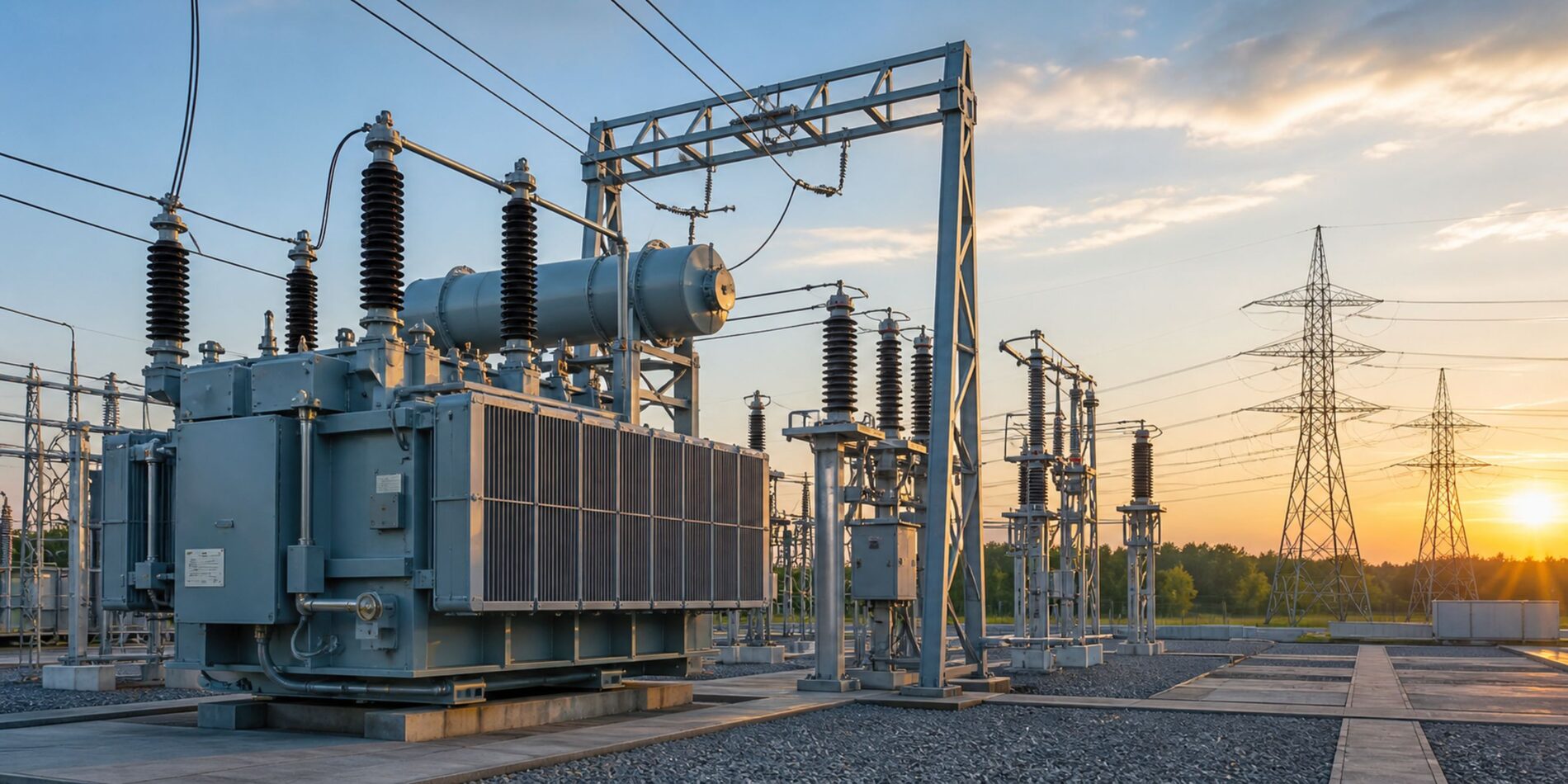
In power grids, such resins are utilized in cast-resin transformers, bushings, and composite insulators. Printed circuit boards and power electronics also require these protective materials. However, the current material shortage stems less from depleted inventories than from regulatory uncertainty. The EU has the authority to subject chemical precursors for epoxy resins to stricter assessments, impose restrictions, or permit their use only under specific conditions. Such interventions are intended to safeguard human health and the environment; however, they carry consequences for critical power technology infrastructure. Manufacturers cannot simply replace insulating materials, potting compounds, and protective coatings on short notice. Any alternative material necessitates entirely new designs, testing procedures, and certifications. Consequently, material shortages could directly impede the expansion of transformer capacity, insulator networks, and power electronics infrastructure.
Regulation May Delay Grid Expansion
The EU pursues legitimate objectives regarding chemical safety. However, overly rapid regulatory intervention concerning specialized materials can have repercussions for power grids. High-voltage technology does not permit simple, straightforward material substitutions.
Manufacturers are required to develop, test, and certify new materials. Furthermore, strict safety standards govern transformers, insulators, and electronic components. This entire process spans several years—a timeline that is ill-suited to the ambitious and tight schedules set for grid expansion projects.
New Electricity Consumers Increase Demand
Electricity consumption is rising as the transport and heating sectors increasingly transition to electric power. At the same time, data centers are expanding their capacities. Furthermore, industry requires a reliable electricity supply to power new processes.
Consequently, power grids must transmit greater loads and better integrate renewable energy sources. Without robust components, the risk of disruptions and costly maintenance increases. A persistent shortage of materials would further exacerbate this vulnerability.
Materials Policy Becomes a Security Issue
Europe requires a strategy that integrates energy policy with materials policy. Chemical regulations must safeguard both human health and the environment; simultaneously, they must take into account critical applications within power grids.
Predictable transition periods create the necessary scope for developing safe alternatives. Moreover, they provide manufacturers with investment security. Without this coordination, Europe risks losing valuable time in the expansion of its power grid infrastructure.