
BASF plans to construct a solar park covering more than 100 hectares near Frankenthal, close to Ludwigshafen; however, the major project currently lacks a grid connection. The facility is designed to generate approximately 140,000 megawatt-hours of electricity annually and support the chemical giant in restructuring its energy supply. The impasse stems from a connection application requesting an injection capacity of around 140 megawatts at a single grid interconnection point. Pfalzwerke Netze AG has refused the connection on the grounds that the regional distribution grid cannot safely absorb this volume of electricity in the short term. Under conditions of high solar irradiance, there is a risk of grid overload, issues with voltage stability, and repercussions affecting higher grid levels. This case highlights the current challenges facing the energy transition. As a result, the start of construction—originally scheduled for the spring of 2026—is now facing delays. (focus: 04.05.26)
BASF’s Denied Grid Connection Is No Coincidence
In this instance, BASF is not being thwarted by a lack of land, capital, or interest in renewable energy. The corporation is planning a concrete project involving industrial-scale power off-take. However, the facility is running up against a limitation that many energy transition plans tend to overlook.
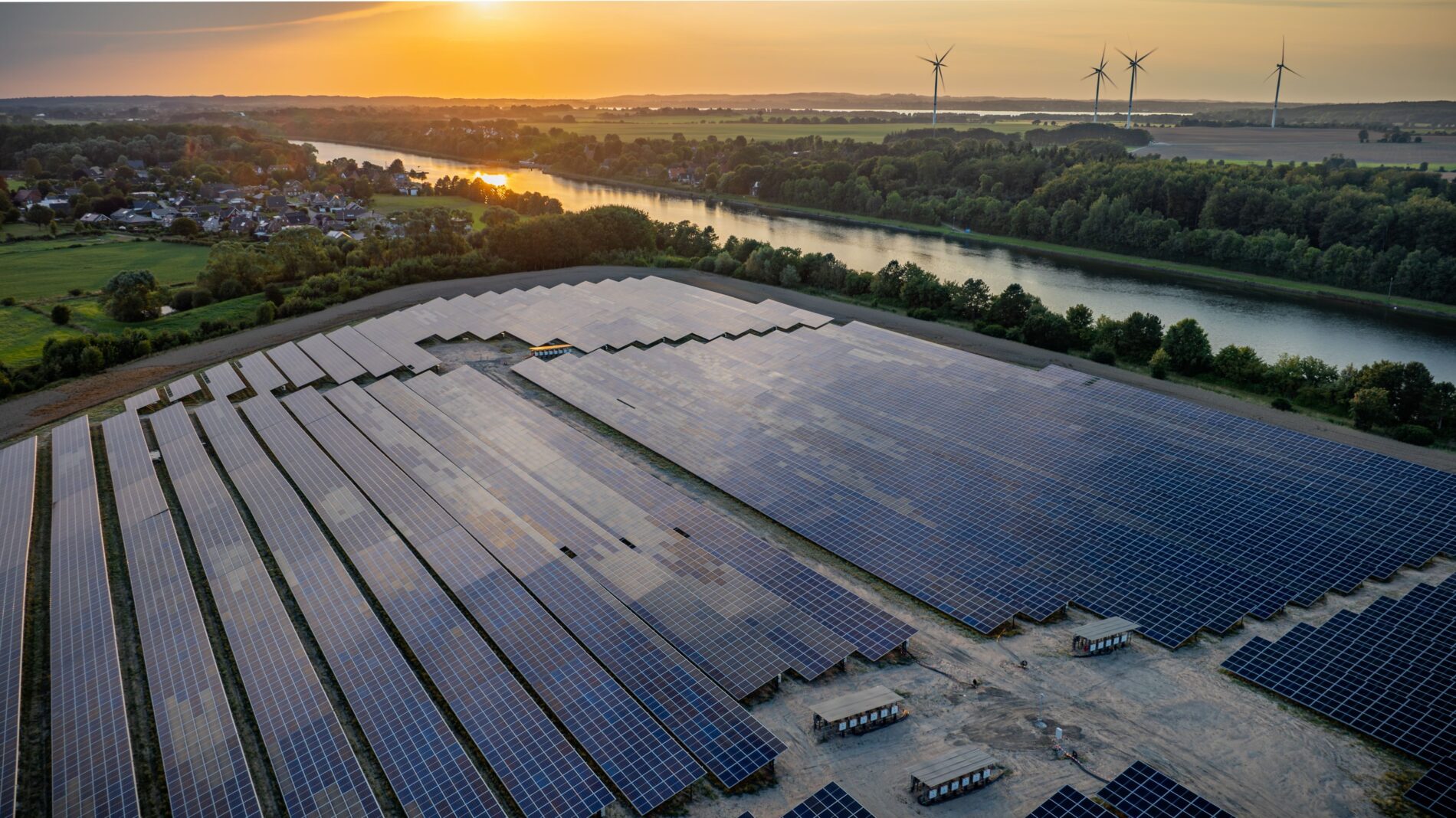
The solar park is intended to feed into the Pfalzwerke regional grid at a single point. It is precisely this concentration that exacerbates the technical challenge. For a peak output of 140 megawatts represents a magnitude that a local distribution grid cannot accommodate without limit.
Grid Stability Becomes a Strict Exclusion Criterion
Pfalzwerke Netze AG is refusing the grid connection on grounds of grid stability. Under conditions of intense solar radiation, the solar park would temporarily supply significantly more electricity than the immediate vicinity consumes. Consequently, this surplus electricity would have to be routed away via higher-level grid tiers.
However, this evacuation of power requires power lines, substations, and protection systems specifically designed to handle such load flows. If these reserves are lacking, risks arise regarding voltage stability and operational safety. Therefore, a political desire for more solar power is, in itself, insufficient.
Industrial Decarbonization Hinges on Grid Connection
For BASF, this project holds strategic importance because its Ludwigshafen site requires enormous quantities of energy. Regional solar power could partially replace fossil-fuel-based energy. At the same time, the corporation would make its electricity costs more predictable.
However, without a grid connection, even a shovel-ready energy project remains economically stalled. BASF can plan for decarbonization, but it cannot implement it at the intended pace. Consequently, a portion of the very transformation that both policymakers and industry are demanding is being delayed.
Timeline Disrupted, Even as the Process Continues
The urban land-use planning process in Frankenthal is proceeding, while BASF remains committed to the project. The corporation anticipates further decisions within the ongoing proceedings. Nevertheless, the lack of a grid connection is delaying practical implementation.
BASF is not leveling a simplistic accusation against the grid operator. The technical assessment is considered justifiable, as grid operators are mandated to guarantee security of supply. Precisely for this reason, the case highlights the systemic weakness with particular clarity.
The Energy Transition Stumbles on the “Last Mile”
This conflict demonstrates that new power generation facilities offer only limited utility without robust grid infrastructure. Solar parks require not only land and solar panels, but also connection capacity, substation capacity, and controllable grid technology. Furthermore, investors require binding timelines.
For Germany, this creates a competitive disadvantage as an industrial location. Industry is expected to electrify its energy consumption and replace fossil fuels. However, if grid connection becomes a bottleneck, projects will fail—not due to a lack of technology, but due to a lack of infrastructure.