
In 2026, a long-standing requirement to replace older smoke detectors will become a practical issue for many households in Germany, as units from earlier retrofitting phases reach the end of their permitted service life. Homes in Brandenburg, Bremen, Hamburg, Mecklenburg-Western Pomerania, Lower Saxony, Saxony, and Saxony-Anhalt are primarily affected. Dust, dirt, and aging sensors can impair the devices’ warning capabilities; consequently, property owners must check the units in good time, and tenants must facilitate inspections or replacement appointments.
Requirement becomes critical for many households starting in 2026
The replacement requirement is not a new regulation but stems from the devices’ technical lifespan. Smoke detectors are intended to be replaced after 10 years of use. Following this period, there is only a brief grace period of no more than six months.
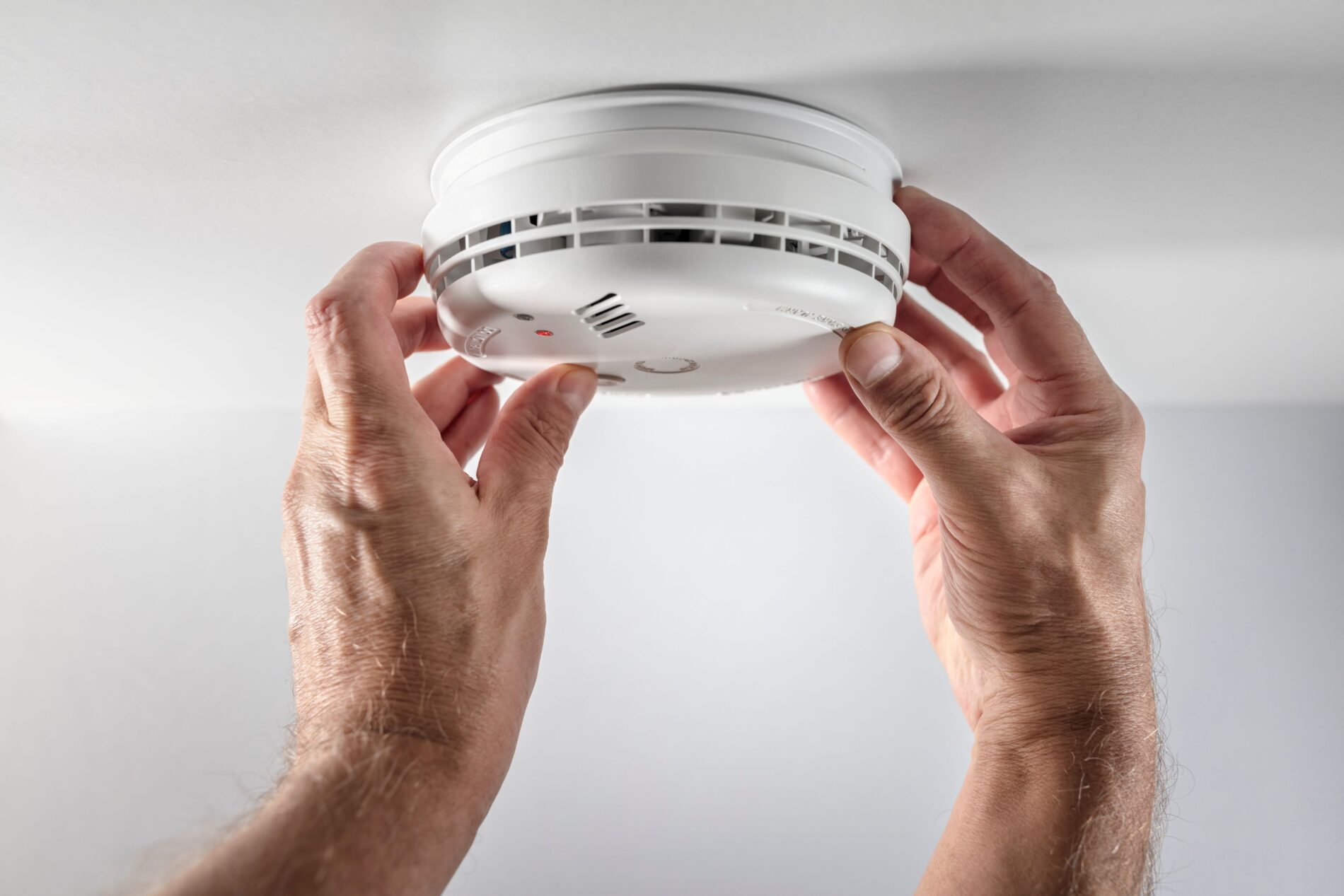
However, the regulation seems new to many households in 2026 because numerous devices from earlier retrofitting deadlines are now reaching the end of their service life. Many existing homes had their smoke detectors installed around ten years ago. This creates the impression of a new deadline, even though an older cycle is simply coming to an end.


Replacement deadlines vary by state
There is no uniform nationwide deadline for smoke detector replacement because individual states have established their own regulations within their building codes. Each state determined its own start dates and transitional rules. Consequently, the devices reach the end of their service life at different times depending on the location.
Several states will be in the spotlight in 2026, including Brandenburg, Bremen, Hamburg, Mecklenburg-Western Pomerania, Lower Saxony, Saxony, and Saxony-Anhalt. While other states may face deadlines later, households in these regions need to pay closer attention to the age of their devices now. Failure to comply does not automatically result in immediate penalties; however, a violation of smoke detector regulations can lead to a fine if authorities intervene. The consequences are far more serious following a fire, potentially involving liability issues, insurance payout reductions, or even criminal investigations in cases of personal injury.
Why a test tone isn’t enough
A smoke detector might emit a loud sound when the test button is pressed but still fail to function reliably. The test primarily checks the battery, electronics, and alarm signal; it does not guarantee that the smoke chamber is still operating correctly after years of use.
Over time, dust and dirt accumulate inside the device, which can interfere with smoke detection. Therefore, the age of the entire unit is just as important as the battery status.
Property owners must check the date and installation
Property owners should first determine when the smoke detector was installed or put into service. Many devices also display a date of manufacture. While this date serves as a useful reference, it does not always correspond to the actual start of usage.
If documentation is missing, the assessment should be approached with caution. A device from an older production series could have been installed years ago. Consequently, replacing the unit in good time is often safer than pushing the deadline to the limit.
What tenants should keep in mind now
Tenants must not remove smoke detectors on their own initiative but are required to facilitate access for maintenance or replacement. The property owner or a contracted service provider generally arranges the inspection. In the case of rental properties, applicable state regulations determine who is responsible for specific obligations.
For residents, the primary concern is functionality in an emergency. An old smoke detector can cost precious seconds, whereas a unit replaced in a timely manner can save lives. Therefore, the obligation to replace units by 2026 should not be overlooked until the next routine visit. (KOB)