
On April 19, 2026, Lower Saxony’s Minister-President Olaf Lies sparked a sensitive debate about the future of Volkswagen’s German plants. The Social Democratic politician, who also sits on Volkswagen’s supervisory board, advocated for examining the possibility of manufacturing Chinese cars at German VW factories. This proposal was prompted by the growing push of Chinese manufacturers into Europe, while Volkswagen has been developing new models in China with partners and, in some cases, independently. Lies linked the proposal to two objectives: securing employment at German plants and improving factory capacity utilization. However, the greatest risk lies in Chinese manufacturers expanding their influence in Europe, thereby placing an additional burden on value creation, suppliers, and production sites in Germany. (ntv: 19.04.26)
Minister-President Lies initiates the political process
The initiative doesn’t come directly from the VW board, but from within the political sphere. This is precisely what makes the statement so significant. Because it’s not about a course of action that has already been decided upon, but rather about a review initiated from the power center of Lower Saxony.
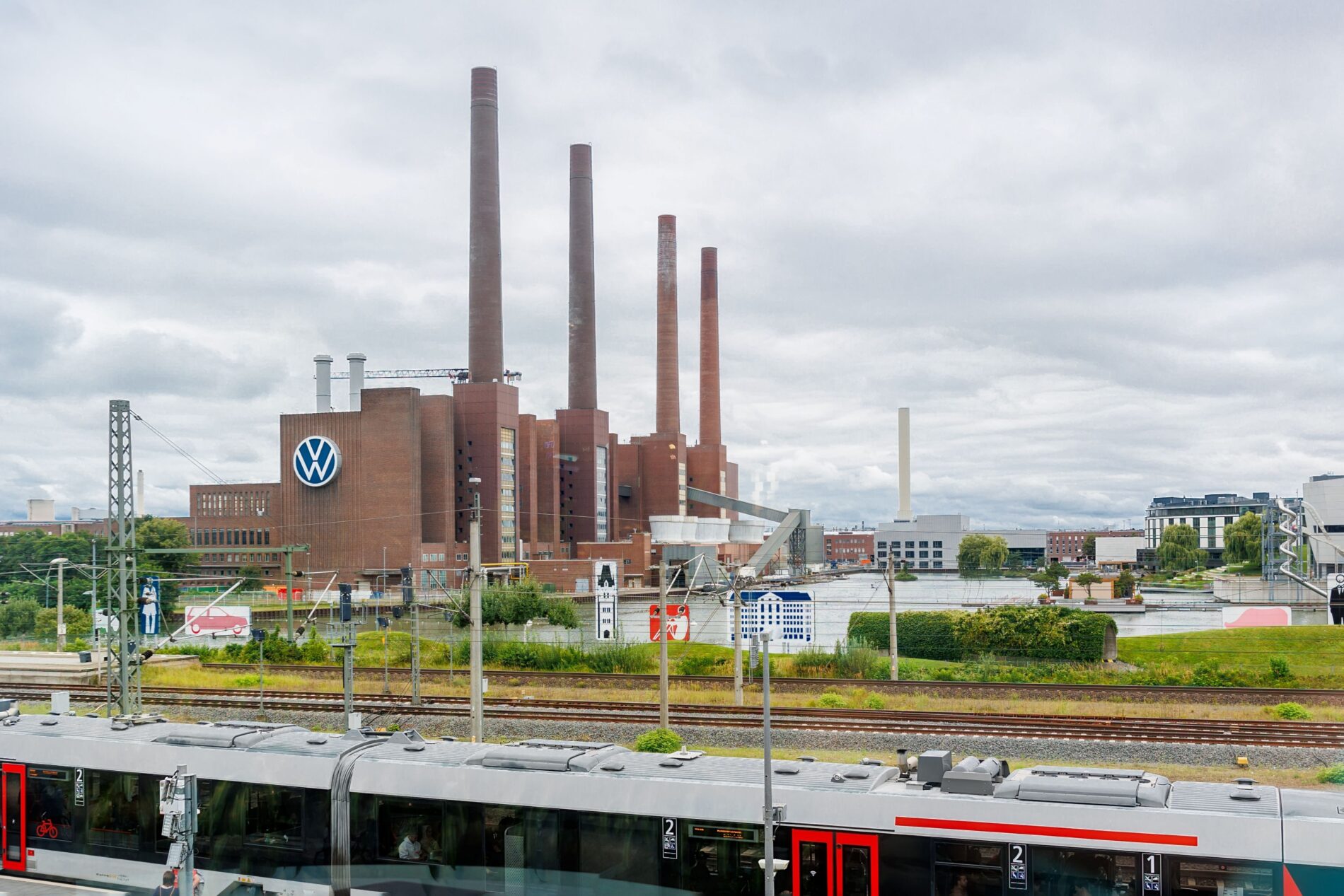
The state holds 20 percent of the voting shares in Volkswagen. Furthermore, the head of government himself sits on the company’s supervisory board. When such a proposal comes from this position, it carries weight. At the same time, the development demonstrates how serious the situation has become for the German plants.
Chinese manufacturers are moving closer to Europe
Lies justifies his proposal with the strong advance of Chinese automakers in the European market. He makes it clear that this development can hardly be stopped. Therefore, from his perspective, the question arises as to how German plants could not only be affected by this, but also benefit from it.
At the same time, Volkswagen points to new vehicles that have been developed in China. These models were partly developed jointly with Chinese partners and partly independently. This leads to the next question: Can such vehicles also be built in Europe? This is precisely where the debate now begins.
Employment and Capacity Utilization Become the Core Issue
The focus is not primarily on trade issues, but on jobs and factories. Workforces have already experienced significant cutbacks in recent months. Therefore, expectations are growing that policymakers and the company will provide viable solutions for the plants.
Spare capacity in large factories quickly becomes a cost problem. If production lines are underutilized, the burden on the company increases. This gives the idea added urgency. It’s not just about new models, but about the future role of German plants in tougher international competition.
Olaf Lies Puts the China Strategy in the Spotlight
With his initiative, Minister-President Olaf Lies is also raising a broader fundamental question. Germany and Europe must clarify whether China should be viewed solely as a rival or also as part of new industrial partnerships. This question extends far beyond Volkswagen.
For the German automotive industry, this is a warning sign. The fact that there is already talk of Chinese cars being produced in VW plants indicates a significant shift in the situation. The debate therefore concerns not just one company, but Germany as an industrial location as a whole.