
In Germany, a technical issue regarding heat pumps is currently becoming apparent in many residential buildings. For hygiene reasons, hot water must often reach high temperatures to prevent Legionella from multiplying in storage tanks and pipes. However, precisely these requirements reduce efficiency, increase electricity consumption, and primarily affect houses equipped with large hot water storage tanks. (immowelt: 20.05.26)
Protection Against Legionella Requires High Temperatures
Heat pumps operate particularly efficiently when delivering low temperatures. This is often well-suited for heating purposes, as radiant heating systems function effectively with lower supply temperatures. However, hot water generation presents a different set of requirements.
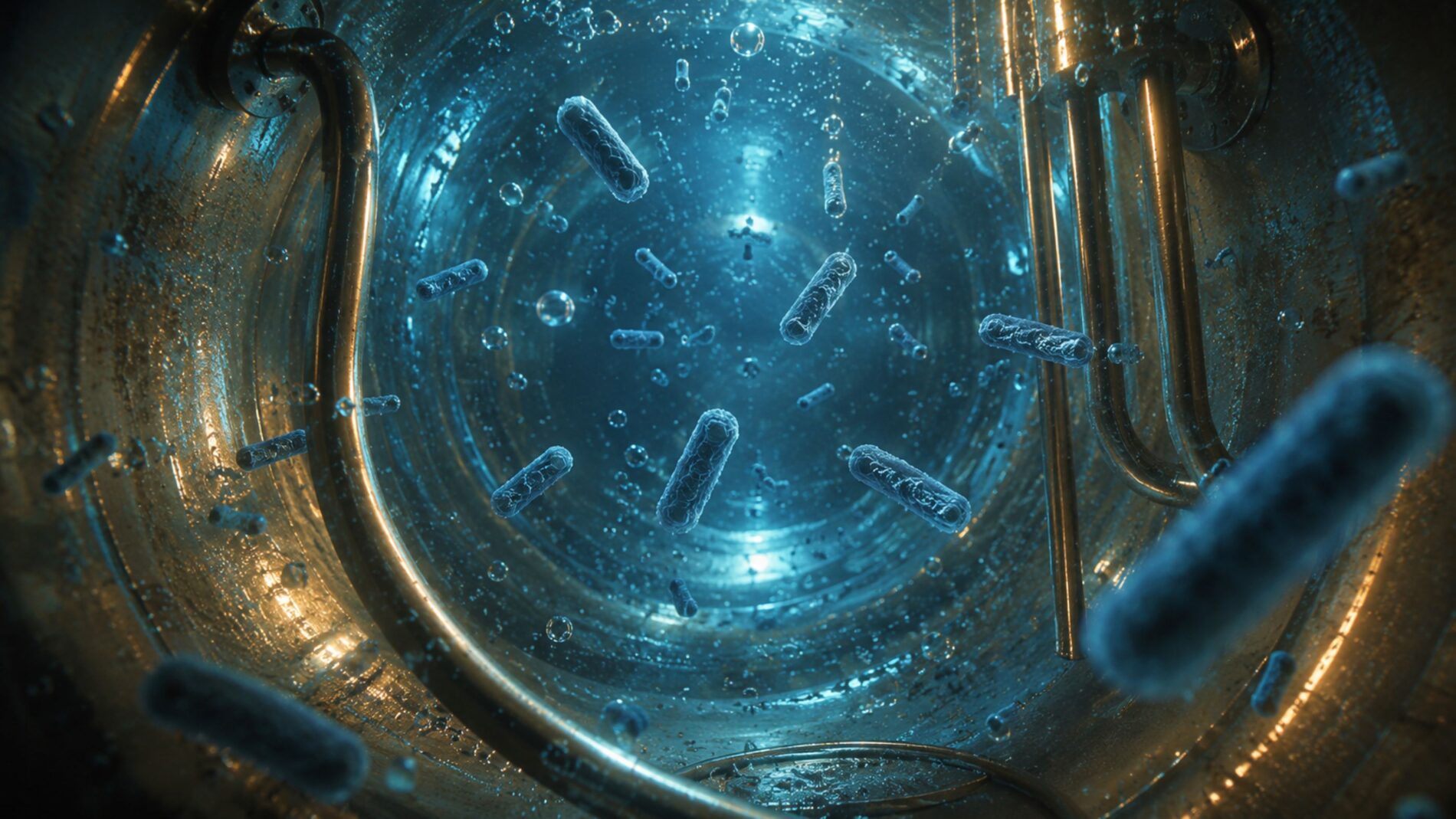
To protect against Legionella, experts recommend maintaining a temperature of around 60 degrees in many systems. This temperature places a greater strain on the heat pump than normal heating operation. Consequently, the coefficient of performance (COP) of many units drops noticeably.
Hot Water Storage Tanks Exacerbate the Problem
Large storage tanks are designed to provide hot water on demand at all times. However, they often hold more water in reserve than is immediately required. This increases the hygienic risk, as water may stagnate in the tank or piping for extended periods.
For everyday showering and bathing, lower temperatures are usually sufficient. While this does improve electricity efficiency, lukewarm water can simultaneously compromise hygienic safety if the system has been poorly designed.
Legionella Protection Cycles Increase Electricity Consumption
Many systems utilize an automatic heating cycle. During this process, the water temperature in the storage tank is periodically raised significantly for a short duration. While this function can help reduce microbial contamination, it does not resolve every potential vulnerability.
This additional heating process consumes electricity. Furthermore, it does not necessarily reach every problematic area within the piping network. Therefore, the proper design of the entire hot water system remains absolutely critical.
Fresh Water Technology Reduces Stagnant Water Volumes
Fresh water stations can help mitigate this problem. They heat potable water only at the moment of withdrawal. As a result, there is less warm potable water sitting in the system, while the heat pump is able to operate more efficiently.
Hybrid storage tanks and short pipe runs also contribute to a solution. Stricter regulations apply to multi-family dwellings; consequently, such systems require clear technical concepts. Single-family homes also benefit from careful planning.
Efficiency and Hygiene Must Go Hand in Hand
Heat pumps remain a vital heating technology for well-designed buildings. However, when it comes to hot water, the device itself is not the sole determining factor. Tank size, pipe routing, draw-off points, and control systems collectively determine actual operational performance.
Those who rely exclusively on low temperatures may save electricity initially. Conversely, those who maintain very high temperatures continuously will sacrifice efficiency. Therefore, providing hot water via a heat pump requires a system that balances both hygiene requirements and energy consumption.